
Medical Misdiagnosis
Houston Medical Misdiagnosis Attorney

Experienced Houston Medical Malpractice Lawyer Helping Patients Harmed by Diagnostic Errors
A correct and timely diagnosis is often the single most important factor in a patient’s medical outcome. When a healthcare professional misses, delays, or incorrectly identifies a patient’s condition, the consequences can range from unnecessary suffering to catastrophic injuries or even wrongful death. At Funk Law Group, Houston medical malpractice attorney Adam Funk has built a career around holding negligent healthcare providers accountable when a diagnostic error causes serious harm to a patient.
Misdiagnosis is, unfortunately, far more common than most patients realize, and it’s considered by many researchers to be a leading cause of death in the United States. According to a report from CNN, nearly 800,000 people in the U.S. die or suffer a permanent disability due to misdiagnosis every year.
When a medical facility or an individual medical provider fails to identify a condition that a careful doctor would have caught, patients and their families deserve answers and fair compensation for the harm that resulted. As an experienced medical malpractice attorney serving the Houston metro area, Adam Funk works to uncover exactly what went wrong and pursue accountability on behalf of injured patients and surviving family members alike.
Call 346.501.FUNK or contact Funk Law Group online today for a free case evaluation to learn more about your legal options.








What is Medical Misdiagnosis?
Medical misdiagnosis is a broad term that covers several distinct types of diagnostic errors. A true misdiagnosis occurs when a healthcare provider identifies the wrong condition entirely. A delayed diagnosis occurs when the correct diagnosis is eventually made, but only after an unreasonable amount of time has passed, allowing the underlying condition to worsen. A missed diagnosis occurs when a healthcare provider fails to identify a condition at all, despite symptoms or test results that should have prompted further investigation.
It’s important to understand the difference between an unavoidable diagnostic challenge and true medical negligence. Medicine is not an exact science, and some conditions present with subtle or atypical symptoms that even a competent, careful doctor might initially overlook. A patient’s injury only becomes the basis for a medical malpractice lawsuit when a healthcare provider deviated from the accepted standard of care, meaning a reasonably skilled provider in the same specialty would have recognized and acted on the same information.
Under Texas medical malpractice law, patients pursuing a misdiagnosis claim must generally satisfy specific procedural requirements, including submitting an expert report early in the litigation process. Understanding these requirements from the outset is one of the many reasons it is so beneficial to work with a qualified Texas law firm experienced in handling these complex cases.
Conditions That are Frequently Misdiagnosed
Certain categories of illness are misdiagnosed more frequently than others, often because their early symptoms overlap with less serious conditions. For example:
- Cancer is among the most commonly and consequentially misdiagnosed conditions, as early symptoms can be mistaken for minor or unrelated issues, allowing the disease to progress to a later, harder-to-treat stage.
- Stroke and heart disease are frequently missed or misattributed to less urgent conditions, particularly in younger patients or those presenting with atypical symptoms.
- Blood clots, infections, and autoimmune diseases are notoriously difficult to diagnose quickly, since their symptoms can mimic dozens of other conditions.
- Neurological disorders often require specialized testing that isn’t always ordered promptly.
- Obstetric complications and pediatric conditions present their own unique diagnostic challenges, given that infants and young children often cannot clearly describe their own symptoms.

The Consequences of a Delayed or Incorrect Diagnosis
When a diagnosis is delayed or incorrect, the consequences for a patient can be severe and, in many cases, irreversible. Disease progression is one of the most common outcomes, as a condition that could have been treated effectively early on becomes significantly more difficult, or even impossible, to manage by the time it’s finally identified. This progression often necessitates additional surgeries that could have been avoided with prompt treatment, and can result in permanent disability, organ damage, or brain injury depending on the condition involved.
A delayed diagnosis frequently means a patient is left with reduced treatment options by the time the correct diagnosis is finally made, forcing patients into more aggressive, more invasive, and less effective treatment plans than they would have faced with early intervention. Beyond the physical toll, patients and families often experience significant emotional distress throughout this process, and in the most tragic cases, a missed or delayed diagnosis may result in wrongful death.
When Can You File a Houston Misdiagnosis Lawsuit?
Not every misdiagnosis gives rise to a valid medical malpractice claim. To succeed in a Houston misdiagnosis lawsuit, a patient generally must establish four essential elements.
- First, the patient must show that a doctor-patient relationship existed, creating a duty of care owed by the healthcare provider.
- Second, the patient must demonstrate a breach of the standard of care, meaning the provider’s conduct fell below what a reasonably competent provider in the same field would have done under similar circumstances.
- Third, the patient must establish causation, showing that the healthcare provider’s failure to diagnose the condition properly, rather than the underlying illness itself, caused the patient’s injury or worsened outcome.
- Finally, the patient must demonstrate damages, meaning actual harm resulted from the misdiagnosis.
Because Texas imposes strict filing deadlines for medical malpractice claims, acting before the deadlines pass is critical. Patients who wait too long risk losing their legal rights entirely, regardless of how strong their underlying case may be. That’s why it is so important that those who believe they have a case speak with a medical malpractice lawyer in Houston, TX, as soon as possible.

Common Types of Medical Misdiagnosis Cases
Diagnostic errors can occur across nearly every area of medicine, but certain conditions appear repeatedly in misdiagnosis malpractice cases. Below are some of the most common types of medical misdiagnosis claims we see at Funk Law Group:
Missed Cancer Diagnoses
Failing to order appropriate screening or follow-up testing can allow cancer to progress from an early, highly treatable stage to a later stage with a far worse prognosis. Physicians who dismiss concerning symptoms, misread imaging or lab results, or fail to refer patients for biopsies when warranted can unknowingly give a cancer diagnosis months or even years to develop into a much more advanced and difficult-to-treat condition.
When this happens, patients often face more aggressive treatment, a lower chance of survival, and a level of suffering that earlier detection could have prevented. A Houston cancer misdiagnosis attorney like Adam Funk can help evaluate whether a doctor’s failure to follow up on abnormal findings fell below the accepted standard of care and directly contributed to a worse outcome.
Heart Attack Misdiagnosis
Especially in younger patients or women, heart attack symptoms are sometimes dismissed as anxiety, indigestion, or musculoskeletal pain, delaying critical treatment. This kind of oversight can be deadly, as the window for administering clot-busting medication or performing emergency procedures to restore blood flow is narrow. When physicians fail to order basic diagnostic tests like an EKG or cardiac enzyme panel in patients presenting with concerning symptoms, they may send a patient home who is actually in the midst of a life-threatening cardiac event.
These situations frequently become the basis for medical malpractice cases, particularly when a patient suffers permanent heart damage or dies as a result of a diagnosis that should have been caught sooner. A cardiology malpractice lawyer in Houston can help victims and their families recover maximum compensation for such negligence.
Aortic Aneurysm Diagnosis
A missed or delayed diagnosis of an aortic aneurysm can be fatal if the aneurysm ruptures before it’s identified and treated. Because early symptoms can be vague or mimic other conditions, physicians must be attentive to risk factors and order the right imaging studies when an aneurysm is suspected. Once a rupture occurs, the mortality rate rises dramatically, making early detection through CT scans, ultrasounds, or MRIs absolutely critical to a patient’s survival.
Stroke Misdiagnosis
Because effective stroke treatment is extremely time-sensitive, even a short delay in diagnosis can significantly worsen a patient’s long-term outcome. Clot-dissolving medications and other emergency interventions are only effective within a limited window after symptoms begin, so when a physician fails to recognize the signs of a stroke or delays ordering imaging to confirm it, the patient may lose the opportunity for treatments that could have minimized lasting damage. The result is often permanent disability that a timely diagnosis could have significantly reduced. A stroke misdiagnosis lawsuit can help affected Houston families recover financial compensation for the harm caused.
Sepsis Misdiagnosis
Sepsis can progress rapidly from a treatable infection to a life-threatening emergency within hours if healthcare providers fail to recognize the warning signs. Early symptoms like fever, rapid heart rate, and confusion are sometimes attributed to less serious illnesses, allowing the infection to spread throughout the bloodstream and trigger organ failure. Because sepsis can escalate so quickly, prompt recognition and treatment with antibiotics and fluids is essential to preventing catastrophic, and often irreversible, harm. If you believe a medical provider’s negligence contributed to you or a loved one’s sepsis infection, a Houston sepsis lawyer like Adam Funk can provide dedicated, aggressive representation on your behalf.
Meningitis Misdiagnosis
Meningitis symptoms can resemble a common flu in its early stages, and a missed diagnosis can lead to permanent neurological damage or death. Fever, headache, and stiff neck are sometimes overlooked or attributed to a viral illness, delaying the spinal tap or other diagnostic testing needed to confirm meningitis and begin treatment. Because bacterial meningitis in particular can worsen within a matter of hours, any delay in recognizing and treating the infection can have devastating, lasting consequences.
Stevens-Johnson Syndrome Misdiagnosis
Stevens-Johnson syndrome (SJS) is another medical condition frequently mistaken for less serious illnesses in its early stages, as its initial symptoms can resemble the flu or a routine viral infection. Delayed recognition and treatment can allow the condition to progress rapidly, increasing the risk of severe skin damage, organ complications, permanent disabilities, and death. A Stevens-Johnson Syndrome Lawyer in Houston, TX can help families pursue a medical malpractice claim when a healthcare provider’s failure to recognize the warning signs or respond appropriately results in preventable harm.
Pulmonary Embolism Misdiagnosis
A missed pulmonary embolism, often mistaken for anxiety or a minor respiratory issue, can result in sudden death. Patients presenting with shortness of breath, chest pain, or a rapid heartbeat deserve careful evaluation for blood clots, particularly if they have risk factors like recent surgery, prolonged immobility, or a history of clotting disorders. When physicians fail to order the appropriate imaging or blood tests to rule out a pulmonary embolism, patients can suffer a sudden and fatal blockage of blood flow to the lungs.
Wernicke Encephalopathy / Korsakoff Syndrome Misdiagnosis
Wernicke-Korsakoff syndrome is another condition that can be misdiagnosed because its symptoms frequently resemble those of dementia, intoxication, stroke, psychiatric disorders, or other neurological conditions. When healthcare providers fail to recognize the warning signs and promptly treat the underlying thiamine deficiency, patients may suffer permanent memory loss, cognitive impairment, and other lifelong complications. A lawyer for Wernicke-Korsakoff can help individuals and families pursue a medical malpractice claim when a delayed or incorrect diagnosis results in preventable harm.
Ectopic Pregnancy Misdiagnosis
Failing to identify an ectopic pregnancy in time can result in a rupture that threatens the mother’s life and future fertility. Because an ectopic pregnancy occurs outside the uterus and cannot be carried to term, prompt diagnosis through blood tests and ultrasound is essential to determining the safest course of treatment. When early warning signs like abdominal pain and abnormal bleeding are dismissed or attributed to a normal pregnancy, the delay can lead to internal bleeding, emergency surgery, and, in the most severe cases, death. Houston ectopic pregnancy lawyer Adam Funk can investigate the facts of the case and help victims and their families fight for full and fair compensation when a doctor’s negligence causes harm.
Birth Injury and Pregnancy-Related Misdiagnosis
Diagnostic errors during pregnancy or delivery can contribute to serious birth injuries. Failing to identify complications like preeclampsia, gestational diabetes, or fetal distress can leave both mother and baby vulnerable to preventable harm during pregnancy and delivery. When a birth injury attorney in Houston, Texas reviews these cases, they often find that earlier recognition of warning signs and more attentive monitoring could have led to a safer outcome for the entire family.
Fracture and Orthopedic Misdiagnosis
Missed fractures, particularly in the spine, can result in spinal cord injuries or other lasting complications if not identified and stabilized promptly. When X-rays or other imaging studies are misread, or when a physician fails to order imaging despite a patient’s symptoms, a fracture can go untreated long enough to cause additional damage, improper healing, or nerve involvement. These kinds of medical errors can turn a manageable injury into a source of chronic pain or permanent disability, particularly when the spine is involved and stabilization is delayed.

Additional Complications Following a Misdiagnosis
When a diagnosis is missed or delayed, the consequences can ripple through nearly every part of a patient’s life. Medical negligence in the diagnostic process often means a condition is allowed to progress untreated, requiring more invasive interventions, longer hospital stays, and a more difficult recovery than would have been necessary with an earlier, accurate diagnosis. In some cases, a misdiagnosis sets off a chain reaction of additional harm, such as unnecessary surgical errors when a patient undergoes the wrong surgery for a condition they don’t actually have, or medication errors when they’re prescribed a drug meant to treat the wrong illness entirely. Anesthesia errors can compound these risks further when patients are put under for procedures that were never needed in the first place. Beyond the physical toll, patients and families are often left facing mounting medical bills from corrective treatments, extended care, and rehabilitation, all stemming from a mistake that proper diagnostic care should have caught.
The financial and emotional burden of a misdiagnosis frequently falls hardest on families who trusted their health care providers to identify what was wrong and treat it appropriately. When that trust is broken by careless or rushed medical care, patients may be left with permanent injuries, a diminished quality of life, or the need for ongoing treatment they never should have required. In the most tragic cases, a missed diagnosis leads to a patient’s death, leaving surviving family members to grapple with the loss while facing a wrongful death claim as their only avenue for accountability.
If you or a loved one has suffered because a diagnostic error went unrecognized, an experienced Houston medical malpractice lawyer at Funk Law Group can help you understand your legal options.
Why Medical Misdiagnoses Happen
Diagnostic errors rarely happen for just one reason; they’re often the result of a breakdown somewhere along the diagnostic process. A failure to obtain a complete medical history is a common starting point, since a provider who doesn’t fully understand a patient’s background may overlook important risk factors. Inadequate physical examinations and a failure to order appropriate diagnostic tests, whether due to time pressure or a failure to perform tests that the patient’s symptoms clearly warranted, are also significant contributors.
Even when the right tests are ordered, misinterpretation of laboratory results or radiology interpretation errors can lead a provider to the wrong conclusion. A failure to refer patients to specialists when a condition falls outside a provider’s expertise, along with communication failures between providers, including primary care physicians, specialists, and hospital staff who don’t share critical information effectively, round out the most common root causes of a medical mistake.

Healthcare Providers Who May Be Responsible for Misdiagnosis
Depending on the circumstances, multiple individuals and healthcare institutions may share responsibility when a diagnostic mistake causes harm. A doctor’s negligence, communication breakdowns, or failures to monitor patients can all increase the risk of a missed or delayed diagnosis. In some cases, a misdiagnosis may also lead to a wrong medication being prescribed or an unnecessary procedure being performed, placing the patient at further risk.
All things considered, the healthcare providers who may be responsible include:
- Primary care physicians who fail to recognize concerning symptoms, order appropriate testing, or refer patients to a specialist
- Emergency room physicians who do not properly evaluate patients with potentially life-threatening conditions
- Radiologists who misinterpret imaging studies or fail to communicate significant findings promptly
- Pathologists who incorrectly interpret laboratory specimens or biopsy results
- Medical specialists who overlook signs of disease within their area of practice or fail to order additional testing
- Nurse practitioners and physician assistants whose diagnostic decisions fall below the accepted standard of care
- Hospitals and healthcare institutions that fail to maintain safe procedures, provide adequate staffing, or establish effective communication systems that protect patient safety
- Other healthcare providers involved in a patient’s treatment whose actions or omissions contribute to diagnostic delays or medical harm
Determining who is legally responsible requires a careful review of the patient’s medical records, diagnostic testing, and the actions of every provider involved in the patient’s care.
How a Houston Medical Misdiagnosis Lawyer Proves Negligence
Successfully proving that a misdiagnosis resulted from negligence, rather than an unavoidable diagnostic challenge, requires a thorough legal process. A Houston medical misdiagnosis lawyer typically begins with a comprehensive review of medical records to understand exactly what symptoms, test results, and history were available to the treating provider at each stage of care. Expert physician testimony is essential for establishing what a reasonably competent provider would have done with that same information, and for identifying precisely where the healthcare provider deviated from the accepted standard.
Building a clear diagnostic timeline helps illustrate exactly when warning signs appeared and how long it took for the correct diagnosis to be made. Imaging and laboratory studies are reviewed alongside the original interpretations to determine whether anything was missed or misread, and hospital policies and procedures are examined to see whether staff followed established protocols.
Ultimately, comparing treatment to the accepted standard of care is the central task in any misdiagnosis case, since it’s this comparison that determines whether malpractice occurred.

Compensation Available in a Houston Misdiagnosis Malpractice Case
A successful medical malpractice lawsuit allows an injured party to recover compensation for the financial, physical, and emotional losses caused by a misdiagnosis or delayed diagnosis. Every case is different, and the value of a claim depends on the severity of the injury, the long-term effects on the patient’s life, and the evidence supporting the claim. An experienced medical malpractice attorney can evaluate your losses, negotiate with the insurance company, and fight for the maximum compensation available under Texas law.
Potential medical malpractice damages that may be recoverable for victims of misdiagnosis include:
- Economic damages, including:
- Current and future medical costs
- Hospital bills, prescription expenses, rehabilitation, and therapy
- Lost income and diminished future earning capacity
- Lost wages resulting from missed work during recovery
- Other out-of-pocket expenses related to the injury
- Non-economic damages, including:
- Physical pain and suffering
- Mental anguish
- Emotional distress
- Loss of enjoyment of life
- Permanent disability or disfigurement
- Wrongful death damages for eligible surviving family members when a fatal misdiagnosis results from medical negligence, including:
- Funeral and burial expenses
- Loss of financial support
- Loss of companionship and guidance
- Loss of consortium
- Pain and suffering experienced by the victim prior to their death
How Long Do You Have to File a Houston Medical Misdiagnosis Lawsuit?
Texas law imposes a strict statute of limitations on medical malpractice claims, generally requiring a lawsuit to be filed within two years of the negligent act or, in some cases, within two years of when the injury was discovered (or reasonably should have been discovered). These discovery issues can be legally complex, particularly in misdiagnosis cases where a patient may not realize an error occurred until symptoms worsen significantly or a second provider identifies the correct diagnosis.
Because evidence can disappear and memories fade over time, preserving evidence as early as possible is critical to building a strong case. This is why early legal representation matters so much in misdiagnosis claims; an attorney can begin gathering medical records and consulting with experts well before deadlines become a pressing concern.
Why Clients Trust Adam Funk As Their Houston Misdiagnosis Lawyer
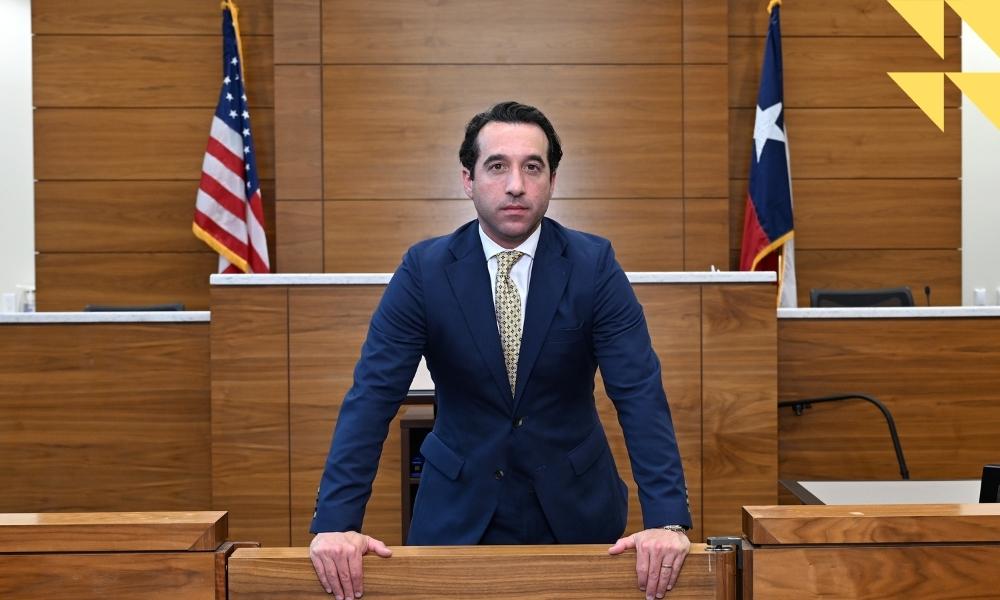
Adam Funk is a skilled malpractice attorney in Houston with extensive experience handling Texas medical malpractice cases involving misdiagnoses, delayed diagnoses, and other medical errors. While Funk Law Group also represents clients in other personal injury cases, the firm has the knowledge and resources necessary to investigate claims involving physicians, hospitals, and other medical professionals. Every case is supported by qualified medical experts who help determine who should be held liable for the harm caused. Through these comprehensive legal services, the firm builds strong claims backed by credible evidence.
Clients who work with Funk Law Group receive personalized representation throughout every stage of the legal process and have direct access to a team that explains their options and answers questions along the way. Our legal team also handles medical malpractice claims on a contingency-fee basis, meaning there is no upfront cost to retain our firm and you owe no attorney’s fees unless we successfully recover compensation on your behalf.
In every case he takes on, Adam is committed to pursuing the maximum available compensation for people injured by negligent medical care, whether that means reaching a favorable settlement or presenting the case at trial.
Successful Malpractice Recovery From Funk Law Group
A doctor’s misdiagnosis can have devastating consequences when a treatable condition goes unrecognized until it is too late. In this wrongful death case, Adam Funk investigated the circumstances surrounding the patient’s care, uncovered evidence of medical negligence, and fought to hold the responsible healthcare providers accountable. The following case result reflects the firm’s commitment to helping families pursue justice after the loss of a loved one:
Failure to Diagnose Aortic Aneurysm Resulting in a Young Husband's Death
Our firm represented a widow whose husband died only months after the couple had been married. The husband, a very tall and otherwise healthy man, presented to an urgent care facility in Houston complaining of chest pain. Despite the seriousness of his symptoms and the numerous potentially life-threatening causes of chest pain that should have been considered, the providers dismissed his condition as anxiety and instructed him to return home and relax.
The urgent care failed to evaluate him for an aortic aneurysm, a dangerous enlargement of the body's main artery that can become fatal if left untreated. Two days later, the aneurysm catastrophically tore, causing an acute aortic dissection and massive internal bleeding. He died before life-saving treatment could be provided. Our firm sought accountability for this tragic failure to recognize a deadly but diagnosable condition.
Result: Confidential six-figure settlement for the widow.

Contact a Houston Medical Malpractice Attorney For a Free Consultation Regarding Your Misdiagnosis Claim Today
If you or a loved one suffered serious injuries, lifelong health issues, or worse because a medical provider failed to diagnose a condition properly, don’t wait to seek legal assistance. Acting quickly helps preserve valuable evidence, including medical records, imaging studies, and physician notes, that may be essential to proving your claim before Texas filing deadlines pass.
Call Funk Law Group at 346.501.FUNK or get in touch via our online contact form today for a free consultation with a dental malpractice lawyer Houston patients trust to fight for fair compensation after preventable dental injuries.