
NICU Malpractice
Houston NICU Malpractice Lawyer
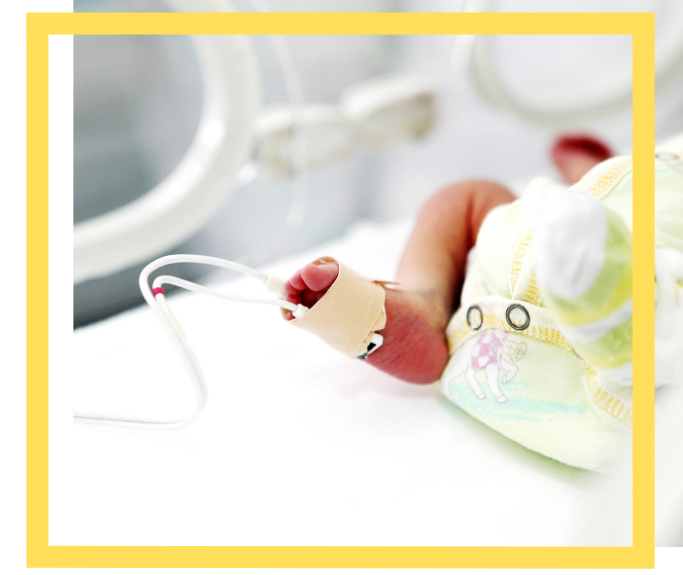
Experienced Birth Injury Attorney for Families Navigating a NICU Negligence Claim in the Houston Metro Area
The neonatal intensive care unit is supposed to be the safest place for a fragile newborn. It is staffed by specialists, equipped with advanced technology, and built around constant monitoring. When parents hand their baby over to a NICU team, they are trusting that every alarm will be answered and every dose will be right.
That is what makes negligence in the NICU so devastating. A missed warning sign, a medication error, or a delayed response can turn a manageable condition into a permanent brain injury or worse. Families are left with a child facing lifelong challenges and questions no one at the hospital seems willing to answer.
At Funk Law Group, we help families hold hospitals and medical professionals accountable for preventable harm. As a seasoned Houston birth injury attorney, Adam Funk will give you an honest assessment of your case and fight to secure the resources your child and family need after a NICU-related injury. Call 346.501.FUNK or reach out through our online contact form to schedule a free case review today.









What Counts as Medical Malpractice in the NICU?
NICU malpractice occurs when a neonatologist, NICU nurse, respiratory therapist, or other member of the hospital staff falls below the accepted standard of care, and that failure injures the baby. The hospital itself can also be responsible when its policies, staffing, or equipment contribute to the harm.
It’s important to understand that not all birth injuries or NICU complications are caused by medical negligence. Premature infants and critically ill newborns face real risks even with excellent care. Some babies develop infections, breathing problems, or brain bleeds despite everything the team does right. The legal question is whether health care providers acted as a reasonably careful NICU team would have under the same circumstances, and whether their failure to do so caused the child’s injury.
The Standard of Care Owed to NICU Patients
NICU patients are among the most vulnerable in any hospital, and the standard of care reflects that. Newborns in intensive care require continuous monitoring of heart rate, breathing, oxygen levels, and temperature, with prompt responses to alarms and changes. Medications must be dosed precisely according to the baby’s weight, and strict infection control is essential because a newborn’s immune system is immature. The standard of care also requires timely consultations with specialists, such as pediatric neurologists, cardiologists, or surgeons, when a baby’s condition calls for them.
Finally, clear communication between shifts and between teams is critical. A detail lost during a shift change or a concern that never reaches the attending neonatologist can have serious consequences for a child who can’t speak for themselves.
Why Newborns End Up in the NICU
Babies are admitted to the NICU for many reasons. Prematurity and low birth weight are among the most common, along with respiratory distress, infections, severe jaundice, low blood sugar, and complications during labor and delivery.
Some NICU admissions are unavoidable, while others are the direct result of negligence that happened before the baby ever reached the unit. When the labor and delivery team fails to respond to problems during the delivery process, a baby may arrive in the NICU already carrying a serious injury.
Fetal Distress During Labor and Delivery
Fetal distress means the baby is not tolerating labor well, often because of reduced blood flow or oxygen. Problems with the umbilical cord, such as cord compression or prolapse, placental abruption, uterine rupture, and a prolonged or obstructed labor can all cut off a baby’s oxygen supply.
When fetal distress is recognized and managed quickly, usually through an expedited delivery, many babies are born without lasting harm. When it is missed or mismanaged, however, prolonged oxygen deprivation can cause a permanent brain injury before the baby is even born. Difficult deliveries complicated by shoulder dystocia or improper use of instruments can also cause physical trauma, including a head injury, broken bone, nerve damage, or, in rare cases, spinal cord injuries. In any case, a fetal distress injury lawyer in Houston can help determine whether the delivery team responded appropriately.
Fetal Monitoring Failures That Lead to NICU Admission
During labor, electronic fetal monitoring tracks the baby’s heart rate and the mother’s contractions. Labor and delivery nurses and physicians are trained to read these tracings and spot warning signs, such as late decelerations, reduced variability, or a persistently high or low baseline heart rate.
Misreading the tracings, ignoring concerning patterns, or failing to notify the physician can leave a struggling baby in distress for far too long. Even when the problem is recognized, a delay in moving to an emergency C-section can make the difference between a healthy baby and a severe injury. In many cases, the HIE, seizures, or brain damage treated in the NICU can be traced directly to a delay caused by these failures before birth.
Failure to Recognize and Respond to Abnormal Findings
A NICU baby’s condition can change in minutes, and the team is responsible for catching those changes early. Negligence often involves missing shifts in vital signs, drops in oxygen saturation, rising bilirubin levels, or dangerously low blood glucose. It can also involve lab results or imaging, such as a head ultrasound showing an intracranial hemorrhage, that are not reviewed or acted on in time. When abnormal findings sit unaddressed, a treatable problem can quickly become a severe injury.
Delayed Intervention for Infection, Jaundice, and Respiratory Problems
Newborns can become critically ill from infection with very little warning. Delayed diagnosis of sepsis, meningitis, or necrotizing enterocolitis (NEC) can allow the illness to spread, damaging organs and the brain. Early signs, such as temperature instability, feeding intolerance, lethargy, or a swollen abdomen, must be taken seriously.
Jaundice is common in newborns and usually harmless, but when bilirubin levels climb too high and go untreated, the result can be kernicterus, a permanent form of brain damage. Phototherapy and, when needed, exchange transfusions are effective treatments, which is why failing to monitor and treat jaundice is so serious. Likewise, a slow response to breathing problems, such as apnea episodes or worsening respiratory distress, can lead to oxygen deprivation and neurological injury.
Medication and Dosage Errors
Newborns receive tiny, weight-based doses of medication, often measured in fractions of a milliliter. That leaves almost no margin for error. One of the most dangerous mistakes in the NICU is a tenfold error, such as a misplaced decimal point, that gives a baby ten times the intended dose. Other errors include giving the wrong drug, giving a medication to the wrong patient, or giving it by the wrong route, such as into a vein instead of a feeding tube. Medication records are often key evidence in proving that one of these errors occurred.
Oxygen and Ventilator Errors
Oxygen therapy requires a careful balance. Too little oxygen can starve the brain and lead to hypoxic brain injury. Too much oxygen, particularly in premature infants, can damage the developing blood vessels of the eye and cause retinopathy of prematurity (ROP), which can lead to vision loss or blindness.
Babies on ventilators face additional risks. A breathing tube that slips out of place and isn’t noticed quickly can cut off a baby’s air supply. Incorrect ventilator settings, failure to adjust them as the baby’s lungs change, and slow responses to alarms can all cause lasting harm.
IV, Feeding Tube, and Line Errors
NICU babies often depend on IVs, feeding tubes, and central lines. When an IV slips out of the vein, fluid or medication can leak into the surrounding tissue. This is known as IV infiltration, and with certain fluids, it can cause severe burns, tissue death, and scarring. Similarly, a misplaced feeding tube can deliver nutrition into the lungs instead of the stomach. Central lines, which are threaded into large veins, must be inserted and maintained under strict sterile conditions, because central line infections can be life-threatening for a newborn.
Understaffing and Communication Breakdowns
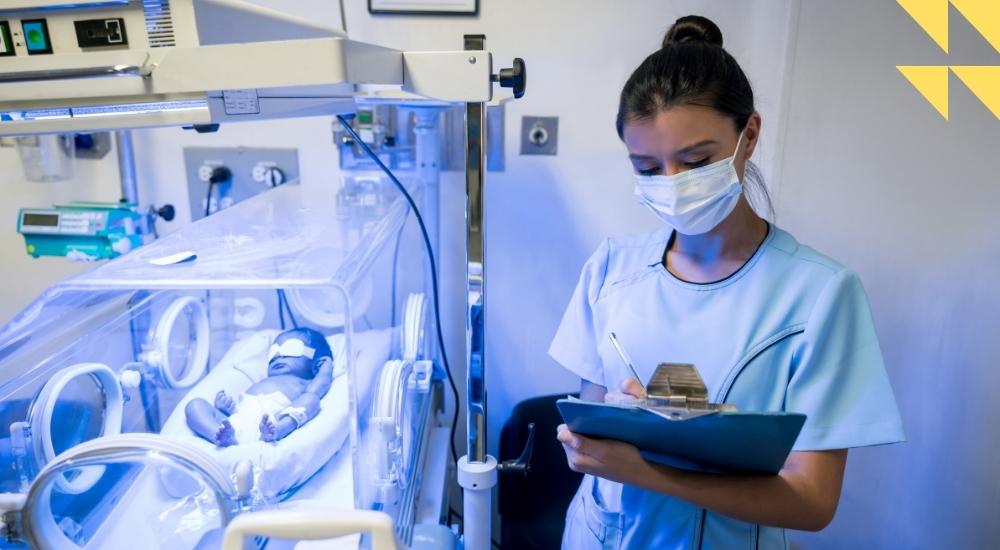
Safe NICU care depends on having enough trained nurses for the number and severity of babies in the unit. When nurse-to-patient ratios are too high, alarms go unanswered, assessments are rushed, and subtle warning signs are missed.
Handoff errors during shift changes can cause critical information about a baby’s condition to be lost. Nurses or residents may also fail to call the attending neonatologist when a baby is deteriorating. These system-level failures often point to hospital liability.
Injuries Caused by NICU Negligence
A newborn has very little physical reserve. A problem that an adult might tolerate for hours can cause irreversible damage to a baby in minutes. When NICU staff miss warning signs or respond too slowly, the resulting injuries are often permanent.
Brain Damage and Hypoxic-Ischemic Encephalopathy (HIE)
Hypoxic-ischemic encephalopathy is brain damage caused by a lack of oxygen and blood flow to the brain. It can begin during labor and delivery or develop in the NICU as a result of breathing problems, ventilator errors, or unrecognized shock. Cooling therapy (therapeutic hypothermia) can reduce the severity of HIE, but it must be started within about six hours of birth, so delays in diagnosis can cost a child their best chance at recovery. Children with HIE may face seizures, cognitive impairment, cerebral palsy, and other forms of neurological injury. A Houston HIE attorney can investigate whether the injury or a delayed response to it was preventable.
Periventricular Leukomalacia
Periventricular leukomalacia (PVL) is damage to the white matter near the brain’s ventricles, the areas that carry signals controlling movement. It most often affects premature infants and is linked to drops in blood flow or oxygen, infection, and inflammation. PVL is a leading cause of cerebral palsy, especially spastic diplegia, in children born early. While not every case of PVL is preventable, poor management of blood pressure, oxygen, or infection can contribute. As an experienced periventricular leukomalacia injury lawyer in Houston, Adam Funk can help determine whether NICU care fell short.
Cerebral Palsy
Cerebral palsy is a permanent condition affecting movement, muscle tone, and posture. It can result from oxygen deprivation, bleeding in the brain, infection, or untreated jaundice. Children with cerebral palsy may live with physical impairment, developmental delays, seizures, and difficulty speaking or eating, and they often need ongoing care throughout their lives. A Houston cerebral palsy attorney at our firm can help families secure compensation that reflects those lifelong needs.
Kernicterus
Kernicterus is a rare but devastating form of brain damage caused by extremely high bilirubin levels. Because newborn jaundice is easily tested for and treated, kernicterus is almost always preventable. Children with kernicterus may develop athetoid cerebral palsy, hearing loss, problems with eye movement, and intellectual disabilities. If your child developed kernicterus after jaundice was missed or undertreated, a kernicterus lawyer in Houston, TX can help you pursue accountability.
Retinopathy of Prematurity and Vision Loss
Retinopathy of prematurity occurs when abnormal blood vessels grow in the retina of a premature baby. Excessive oxygen exposure increases the risk. Premature infants who meet certain criteria must receive timely eye exams because ROP can often be treated successfully when caught early. When oxygen is poorly managed, or screening exams are missed or delayed, the result can be retinal detachment and permanent vision loss. A Houston vision loss attorney at Funk Law Group can review whether the NICU followed proper oxygen and screening protocols.
Hearing Loss
Newborns can suffer hearing loss from untreated jaundice, severe infections such as meningitis, oxygen deprivation, or overdoses of certain antibiotics that are toxic to the ear when blood levels aren’t properly monitored. Delayed hearing screening can also postpone early intervention that is critical to language development. A hearing loss injury attorney can help determine whether the hearing loss was linked to preventable errors.
NEC Complications
Necrotizing enterocolitis is a serious intestinal condition that mainly affects premature infants. Parts of the bowel become inflamed and can begin to die. Early signs include feeding intolerance, a swollen belly, and bloody stools. When NEC is caught late, it can lead to bowel perforation, sepsis, the surgical removal of large sections of intestine, and long-term problems with nutrition and growth. As such, prompt recognition and treatment are essential.
Wrongful Death
The loss of a newborn is the most painful outcome any family can face. When a baby dies because of NICU negligence, Texas law allows parents to bring a wrongful death claim against the responsible healthcare providers. While no amount of money can make up for that loss, a claim can provide answers and accountability. A Houston wrongful death lawyer at Funk Law Group can guide your family through this process with care and compassion.

How NICU Negligence Can Affect Your Child’s Future
The effects of a NICU injury rarely end when a baby goes home. Many children need lifelong medical care, including physical, occupational, and speech therapy, specialist visits, surgeries, and medications. Brain injuries can lead to developmental and learning challenges that require special education services and individualized support at school, while children with mobility limitations may need wheelchairs, braces, and accessible housing.
As they grow, some children will be unable to work or will have reduced earning capacity as adults. Families often face mounting medical bills while one parent reduces work hours or leaves a job entirely to provide care. The emotional strain of caring for a child with a serious injury, on parents and siblings alike, is just as real as the financial burden.
Signs You May Have a NICU Negligence Claim
Parents often sense that something went wrong before anyone tells them so. You may have a claim if you noticed any of the following:
- Your baby’s condition declined suddenly without a clear explanation.
- Doctors or nurses were vague, inconsistent, or evasive when you asked what happened.
- Your baby required a sudden transfer to another hospital or an emergency intervention, such as resuscitation or surgery.
- A diagnosis, such as an infection, brain bleed, or severe jaundice, seems to have been caught later than it should have been.
- The medical records contain gaps, late entries, or missing monitoring data.
If any of these sound familiar, request your baby’s complete medical records, including NICU flowsheets, nursing notes, and medication records, as well as the mother’s labor and delivery records. These documents help establish a medical timeline of what happened and when, and they are the starting point for any legal review.
How to File a NICU Malpractice Lawsuit in Texas
The legal process for a NICU malpractice case begins with a free consultation, where we listen to your story and answer your questions. If your case appears to have merit, we collect the complete medical records from the delivery and the NICU and have qualified medical experts review them.
If the experts conclude that medical negligence caused your child’s injuries, we file a lawsuit and serve the expert report Texas law requires. The case then moves into discovery, where both sides exchange documents and question witnesses under oath, including nurses, physicians, and other hospital staff. Many cases resolve through negotiation or mediation, but if the hospital or its insurer refuses to offer fair compensation, we are prepared to take your case to trial.
Texas Deadlines for NICU and Birth Injury Claims
Under Texas’ statute of limitations for medical malpractice, cases generally must be filed within two years of the date of the negligent treatment, but for children injured before age 12, Texas law generally allows until the child’s 14th birthday to file.
Even so, prompt legal action is important. Electronic monitoring data, alarm logs, and staffing records may be overwritten or harder to obtain over time. Witnesses forget details or move to other hospitals. Parents’ own claims for medical expenses may also be subject to the standard two-year deadline. Acting early protects the medical evidence your case depends on.
Proving Fault in a NICU Birth Injury Lawsuit
To succeed in a birth injury claim, a family must prove four elements:
- First, the healthcare provider owed the baby a duty of care.
- Second, the provider breached that duty by falling below the accepted standard of care.
- Third, that breach caused the child’s injury.
- Fourth, the injury resulted in real damages.
Expert testimony is essential to proving each element: neonatologists explain how a reasonable NICU team would have acted, nursing experts address monitoring, charting, and escalation, pediatric neurologists connect the errors to the child’s brain injury, and life-care planners document the child’s future needs.
Texas also requires families to serve an expert report on each defendant within 120 days after that defendant files an answer. The report must outline the standard of care, how it was breached, and how the breach caused harm. Missing this deadline or serving an inadequate report can end a case, which is why working with an experienced birth injury lawyer from the start matters.
Compensation Available in a Medical Malpractice NICU Case
Families whose child suffered harm due to medical negligence in a NICU setting may be able to recover compensation for:
- Past and future medical costs, including hospital stays, surgeries, and medications
- Physical, occupational, speech, and behavioral therapy
- Medical equipment, mobility aids, and home modifications
- The child’s lost earning capacity
- Parents’ lost wages and caregiving costs
- Pain and suffering
Texas caps non-economic damages, such as pain and suffering, in medical malpractice cases, though economic damages, including medical bills and lost earning capacity, are not capped. Thoroughly documenting your child’s lifetime needs is the best way to pursue maximum compensation.

How a NICU Negligence Lawyer Can Help Your Family
When your child has been seriously injured, your time and energy belong with them, not with paperwork and phone calls from the hospital. A NICU negligence lawyer takes the legal burden off your shoulders so you can focus on your baby’s recovery and ongoing care.
Hospitals often have risk managers who begin protecting the institution as soon as something goes wrong, and their insurers have experienced defense lawyers whose goal is to limit financial compensation. Having your own advocate levels the playing field. We handle all communication with hospital risk managers and insurers and make sure your family is not pressured into an unfair settlement.
How a NICU Injury Lawyer Investigates What Went Wrong
A strong NICU case is built on a detailed reconstruction of what happened, minute by minute. We review NICU flowsheets, medication administration records, monitor alarm logs, ventilator data, nursing notes, staffing records, and the mother’s fetal monitoring strips from labor and delivery. Comparing these records often reveals gaps in monitoring, delayed responses, or decisions that don’t line up with the baby’s documented condition.
We also identify every liable party. That may include neonatologists, NICU nurses, respiratory therapists, residents, obstetricians, the labor and delivery team, and the hospital itself for staffing and policy failures.
How To Find the Best Attorney for NICU Negligence for Your Specific Case
Not all law firms are equipped to handle NICU malpractice. Look for an attorney with a working knowledge of neonatal medicine and access to qualified experts in neonatology, nursing, and pediatric neurology. Trial experience matters, because hospitals settle more fairly when they know a lawyer is prepared to seek a trial verdict. These cases are also expert-heavy and can take years, so your attorney should have the financial resources to see them through. Finally, choose someone who communicates clearly and keeps your family informed at every stage.

Why Choose Adam Funk as Your Houston NICU Negligence Attorney?
Texas families turn to Adam Funk because medical malpractice and birth injury are the focus of his practice, not a sideline. As a skilled Houston, TX medical malpractice lawyer, he understands the medicine behind NICU care and knows how to translate complex records into a clear account of what went wrong. Every potential case is carefully and legally reviewed with input from qualified medical experts before we recommend a path forward.
Taking on a large hospital system requires resources. Funk Law Group funds the expert reviews, testimony, and litigation costs these cases demand, so your family doesn’t have to. We also handle NICU cases on a contingency fee basis, which means there are no upfront costs and no attorney’s fees unless we recover compensation for you.
Above all, we treat your family with compassion. We return calls, explain each step in plain language, and never forget that a child’s future is at the heart of every case.

Get NICU Birth Injury Legal Help From a Houston Birth Injury Attorney – Schedule Your Free Case Review Today
If you believe you have a valid NICU malpractice case, we invite you to share your family’s story with us. We will listen to what happened, review the records, and give you an honest answer about your options. Your case review is free and confidential, and you pay nothing unless we win your case.
Call Funk Law Group at 346.501.FUNK or contact us through our online form to schedule a free case review with our experienced medical malpractice lawyers today.