
Umbilical Cord Prolapse
Umbilical Cord Prolapse Injury Attorney in Houston, TX
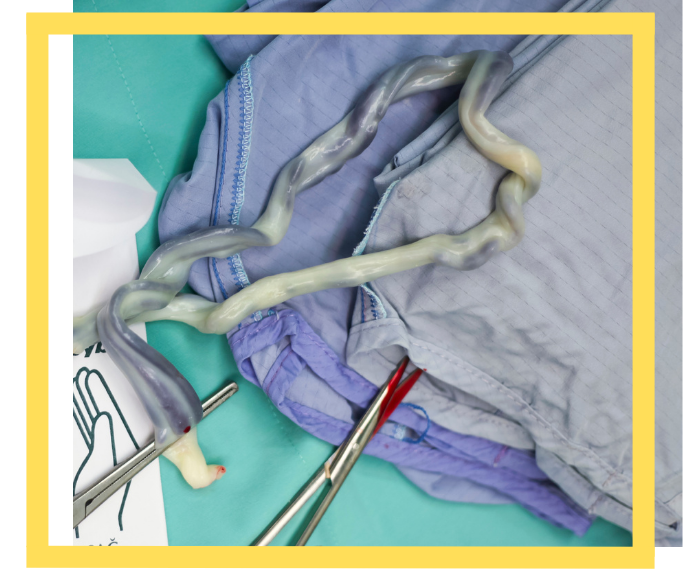
Experienced Umbilical Cord Prolapse Injury Lawyer Representing Birth Injury Victims in the Houston Metro Area
Few moments in a family’s life carry more hope than the birth of a child. When that moment is overshadowed by a preventable medical emergency, one that leaves a newborn with severe brain damage or worse, the grief and confusion can be overwhelming. Umbilical cord prolapse is one of the most serious obstetrical emergencies a labor and delivery team can face. It is also a condition that, when managed properly, can often be resolved before lasting harm occurs. When health care providers fail to act with the urgency the situation demands, the consequences for a baby can be catastrophic and permanent.
At Funk Law Group, Houston birth injury lawyer Adam Funk represents families whose children suffered serious birth injuries due to medical negligence during labor and delivery. If your baby suffered harm because a doctor or hospital failed to timely diagnose and treat umbilical cord prolapse, our law firm is here to help your family seek the financial compensation and accountability you deserve. Contact us by phone at 346.501.FUNK or reach out online to schedule a free consultation and case review today.









What is Umbilical Cord Prolapse?
Umbilical cord prolapse is an obstetrical emergency that occurs when the baby’s umbilical cord drops through the cervix into the birth canal ahead of or alongside the baby during labor. Under normal circumstances, the baby descends through the birth canal first, with the cord following safely behind. When the cord slips into position before the baby’s presenting part, it becomes vulnerable to compression between the body and the walls of the birth canal.
The umbilical cord is the unborn baby’s only lifeline: the sole pathway through which oxygen and nutrients are delivered from the placenta. Any sustained compression of the cord restricts that oxygen supply, creating a rapidly escalating emergency that demands immediate treatment from every member of the care team.
Umbilical Cord Prolapse vs Umbilical Cord Compression
Although umbilical cord prolapse and umbilical cord compression can both reduce a baby’s oxygen supply during labor and delivery, they are not the same condition. While cord prolapse occurs when the cord slips through the cervix ahead of the baby, cord compression occurs when pressure is placed on the umbilical cord, restricting blood flow and oxygen delivery, even if the cord remains in its normal position.
Cord prolapse frequently leads to cord compression because the baby’s body can press directly against the prolapsed cord. However, cord compression can also occur without a prolapse due to factors such as low amniotic fluid levels, a nuchal cord, or prolonged pressure during labor. Regardless of their differences, both conditions require prompt recognition and intervention to help prevent serious birth injuries.
Why is Umbilical Cord Prolapse Dangerous?
A prolapsed cord is considered one of the most dangerous emergencies in obstetrics because the margin for error is extraordinarily narrow. When the cord is compressed, the baby’s oxygen supply is partially or completely cut off. Even brief periods of oxygen deprivation can cause fetal hypoxia, a condition in which the baby’s brain and organs are starved of the oxygen they need to function. Prolonged fetal hypoxia leads to fetal distress and, if not resolved rapidly, can cause permanent neurological injury or even death.
What makes cord prolapse particularly urgent is the speed with which harm can develop. Unlike some obstetrical complications that allow time for deliberate decision-making, a prolapsed umbilical cord demands that healthcare providers act immediately. Every minute of delay increases the risk that a baby will suffer long-term injury.

Understanding the Different Types of Umbilical Cord Prolapse
Umbilical cord prolapse can occur in several forms, depending on the position of the umbilical cord in relation to the baby and the cervix. Understanding the different types of umbilical cord prolapse helps healthcare providers identify the condition quickly and take appropriate action to reduce the risk of oxygen deprivation and other birth-related complications.
Overt Umbilical Cord Prolapse
The most recognizable form, overt prolapse, occurs when the baby’s umbilical cord drops visibly into the birth canal after the rupture of the membranes. In these cases, the cord may be felt during a vaginal exam or pelvic examination or may even protrude beyond the vaginal opening. Overt prolapse is typically identifiable if the care team is attentive and examining the patient appropriately.
Occult Umbilical Cord Prolapse
Occult prolapse is more difficult to detect because the cord does not visibly descend into the birth canal. Instead, the cord is compressed alongside the baby’s presenting part without being palpable on exam. Occult prolapse may only become apparent through careful interpretation of the fetal heart monitor, which may show characteristic decelerations in the baby’s heart rate indicating cord compression and compromised oxygen supply.
Cord Presentation
Cord presentation occurs when the umbilical cord is positioned between the baby’s presenting part and the cervix before the rupture of the membranes. Because the membranes remain intact, the cord has not yet prolapsed, but the risk is significant and immediate. Identifying cord presentation before membrane rupture gives providers a critical opportunity to intervene and manage the birth process before the condition becomes a full prolapse emergency.
How Common is Umbilical Cord Prolapse?
According to the Cleveland Clinic, umbilical cord prolapse occurs in anywhere from 1 in 300 deliveries to 1 in 1,000 deliveries, making it a relatively rare but well-recognized obstetrical complication. Because it is a known risk (and an extremely dangerous one, at that), obstetrical providers are expected to be able to identify it promptly and be prepared to respond without delay.

What Causes Umbilical Cord Prolapse?
Several pregnancy, labor, and delivery factors can increase the likelihood of this obstetrical emergency, including abnormal fetal positioning, premature rupture of membranes, multiple gestation pregnancies, and excess amniotic fluid. Understanding these risk factors can help medical providers identify patients who may require closer monitoring during labor and delivery.
Common Risk Factors of Umbilical Cord Prolapse
Recognized risk factors include:
- Premature rupture of the membranes, particularly when the baby’s head has not yet engaged in the pelvis, leaving space for the cord to slip through
- Breech presentation, where the baby’s feet or buttocks (rather than the head) are positioned at the cervix
- Transverse fetal position, in which the baby lies sideways rather than head-down, leaving the birth canal unoccupied by the presenting fetal part
- Multiple gestation pregnancy, where twins or higher-order multiples increase the complexity of delivery and the risk of an abnormal position
- Excessive amniotic fluid (polyhydramnios), which creates additional space for the cord to shift into the birth canal when membranes rupture
- Preterm labor, as a premature baby’s smaller size leaves more room for the cord to slip past the presenting part
When these risk factors are present, healthcare providers are expected to monitor patients with heightened vigilance and take appropriate precautions during the birthing process.
Medical Procedures That May Increase Risk
Not all cord prolapses arise from pre-existing risk factors. Some occur as a direct result of medical intervention. Artificial rupture of the membranes, a procedure performed by a doctor or midwife to stimulate or accelerate labor, carries a risk of cord prolapse if the baby’s presenting part is not adequately engaged in the pelvis at the time. Improper or negligent monitoring of high-risk patients and failure to recognize warning signs that a cord presentation is developing can also contribute to the conditions that lead to a prolapse emergency.
The Dangers of Umbilical Cord Prolapse
When the umbilical cord is compressed during prolapse, blood flow through the cord is restricted or blocked entirely. The baby’s heart rate typically reflects this compression through a pattern of variable or prolonged decelerations visible on the fetal heart monitor — a signal that a trained labor and delivery nurse or obstetrician should recognize and respond to without hesitation.
The window for intervention in a cord prolapse emergency is measured in minutes, not hours. Studies on umbilical cord prolapse outcomes consistently demonstrate that the interval between diagnosis and delivery is one of the most significant determinants of whether a baby survives without injury. Failure to act within that window can result in hypoxic-ischemic encephalopathy, cerebral palsy, severe brain damage, or death.

How Doctors Should Respond to Umbilical Cord Prolapse
When cord prolapse is suspected or confirmed, the response must be immediate and coordinated. The accepted standard of care requires health care providers to:
- Monitor fetal heart rate continuously in high-risk deliveries and interpret abnormal patterns as potential indicators of cord compression
- Perform a vaginal exam or pelvic exam promptly when decelerations or other warning signs appear to assess for cord prolapse
- Relieve pressure on the cord manually by elevating the presenting fetal part while preparations for emergency delivery are underway
- Reposition the mother into a knee-chest or Trendelenburg position to reduce cord compression through gravity
- Prepare and execute an emergency cesarean section as rapidly as possible when vaginal delivery cannot be safely accomplished in the time available
- Coordinate all members of the care team, including nurses, obstetricians, anesthesiologists, and neonatal specialists, to ensure that every step of the emergency response proceeds without unnecessary delay
A doctor fails in this duty when any of these steps are delayed, skipped, or executed incompetently.
Common Delivery Room Errors That Lead to Umbilical Cord Prolapse Injuries
Serious birth injuries can result when delivery room staff fail to recognize warning signs, delay emergency intervention, or deviate from accepted standards of obstetrical care during labor and delivery.
Failure to Monitor the Baby Properly
Negligent monitoring is one of the most common contributing factors in umbilical cord prolapse birth injury cases. When labor and delivery nurses or obstetricians ignore abnormal fetal heart rate patterns or fail to respond to warning signs on the fetal heart monitor in a timely manner, critical minutes are lost. A delayed response to signs of fetal distress is a serious departure from the standard of care.
Delayed Emergency Cesarean Section
When cord prolapse is diagnosed, an emergency C-section is frequently the only viable path to delivery in time to prevent brain injury. Failure to act within accepted timeframes, whether due to inadequate staffing, equipment delays, or poor communication among medical staff, can transform a survivable emergency into a tragedy. In birth injury cases, the gap between when the decision to perform a cesarean was made and when the baby was actually delivered is often a central focus of the legal analysis.
Improper Labor Management
High-risk deliveries require heightened preparation and anticipation. Providers who mishandle the management of a high-risk delivery by performing artificial membrane rupture without confirming fetal engagement, failing to have emergency resources immediately available, or failing to anticipate known complications in patients with documented risk factors may be liable when cord prolapse results in injury.

Signs Your Child May Have Suffered an Umbilical Cord Prolapse Injury
Families are not always told directly that a birth injury occurred. In many cases, the signs emerge gradually. Warning signs that a newborn suffered harm during delivery include:
- Low Apgar scores at birth, indicating poor initial condition
- Admission to the neonatal intensive care unit (NICU) following delivery
- Seizures shortly after birth
- Feeding difficulties or poor suckling reflex
- Delayed developmental milestones such as rolling, sitting, walking, or talking
- Abnormal muscle tone, reflexes, or movement patterns
If your child experienced any of these findings after a difficult delivery, it is worth speaking with a Houston birth injury lawyer to understand whether medical negligence may have played a role.
Birth Injuries Associated With Umbilical Cord Prolapse
Prolonged oxygen deprivation due to a prolapsed cord can lead to serious birth injuries and long-term disability that may affect a child’s health and development for years to come.
Hypoxic-Ischemic Encephalopathy (HIE)
HIE is a form of brain injury caused directly by a lack of oxygen to the baby’s brain during or around the time of birth. It is one of the most serious outcomes associated with umbilical cord prolapse and can range from mild cognitive impairment to profound neurological disability depending on the severity and duration of the oxygen deprivation. Houston HIE attorney Adam Funk can help families investigate whether medical negligence contributed to the oxygen deprivation that caused their child’s hypoxic-ischemic encephalopathy and resulting injuries.
Cerebral Palsy
Cerebral palsy is a group of permanent motor and neurological impairments caused by damage to the developing brain. Babies who experience prolonged fetal hypoxia during cord prolapse are at significant risk of developing cerebral palsy, which can affect movement, coordination, communication, and cognitive function throughout the child’s life. An experienced Texas cerebral palsy lawyer can help families determine whether preventable medical errors during labor and delivery contributed to the brain injury that resulted in their child’s condition.
Developmental Delays
Even in cases where severe brain damage is not immediately apparent, babies who suffered oxygen deprivation during delivery may exhibit cognitive, learning, and behavioral challenges as they grow. These delays may not become fully apparent until the child reaches developmental milestones or otherwise fails to reach them.
Seizure Disorders
Neurological damage from oxygen deprivation can manifest as seizure disorders that begin in the neonatal period or emerge later in childhood. These conditions often require ongoing medical management and can significantly impact a child’s daily life and development.
Stillbirth and Wrongful Death
In the most devastating cases, prolonged oxygen deprivation from the failure to timely treat cord prolapse results in stillbirth or neonatal death. When a baby died because health care providers failed to respond to a prolapse emergency in time, families may have a wrongful death claim against the responsible parties. At Funk Law Group, Houston wrongful death attorney Adam Funk helps families navigating these impossibly difficult situations to ensure every legal avenue is pursued and justice is served.

Long-Term Effects of Umbilical Cord Prolapse Injuries
The long-term impact on a child who suffered serious brain damage due to umbilical cord prolapse can be profound and lifelong. Families often face:
- Ongoing medical treatment, including hospitalization, medication, and specialist care
- Physical therapy, occupational therapy, and speech therapy
- Special education services and individualized learning support
- Lost earning capacity for the child extending into adulthood
- Substantial emotional strain on parents, siblings, and caregivers
- Financial hardship from the cumulative burden of future medical care costs
These losses are real, measurable, and compensable. A successful birth injury case can provide the financial foundation families need to give their child the best possible life despite the harm that was done.
Who Can Be Held Liable for Umbilical Cord Prolapse Injuries?
A medical malpractice claim arising from umbilical cord prolapse may name multiple parties, depending on how and where the negligence occurred:
- Obstetricians and attending physicians who failed to provide a timely diagnosis or respond to the emergency
- Labor and delivery nurses whose negligent monitoring allowed warning signs to go unaddressed
- Hospitals and birthing centers whose policies, staffing, or equipment contributed to the delayed response
- Emergency medical personnel involved in transport or pre-hospital care
- Other health care providers involved in managing labor and delivery
Identifying every party whose negligence contributed to the injury is essential to building the strongest possible case and maximizing the financial compensation available to your family.

How Much Is an Umbilical Cord Prolapse Lawsuit Worth?
The value of an umbilical cord prolapse lawsuit depends on the specific facts of each case, including the severity of the injuries, the degree of negligence involved, and the full scope of the child’s current and future needs. Compensation in these cases may include medical expenses already incurred, the cost of future medical care and therapy, lost wages for parents who have had to reduce or cease employment, lost earning capacity for the child, pain and suffering, and, in wrongful death cases, additional categories of damages for the loss of the child’s life.
These are among the highest-value medical malpractice cases in Texas, and they deserve to be handled by an attorney with the experience, resources, and commitment to pursue maximum recovery. Texas law also imposes strict deadlines and procedural requirements on medical malpractice claims, including mandatory expert reports, making it critical to act without delay.
How Birth Injury Attorneys Investigate Umbilical Cord Prolapse Cases
Birth injury cases involving umbilical cord prolapse are complex and require a thorough, methodical investigation. At Funk Law Group, Houston malpractice attorney Adam Funk and his legal team approach every case with the rigor these claims demand. This includes:
- Reviewing fetal monitoring strips to identify the presence and timing of heart rate abnormalities that should have prompted an immediate response
- Analyzing complete labor and delivery records to reconstruct the timeline of care and identify where delays occurred
- Consulting obstetrical and neonatal experts who can speak authoritatively to what the standard of care required and how it was violated
- Determining whether the standard of care was breached at any point in the management of the delivery
- Establishing causation and damages by connecting the providers’ failures directly to the injuries the baby suffered
This process takes time and dedication, which is why families should reach out to an experienced birth injury lawyer as soon as possible after a traumatic delivery.

Why Choose Funk Law Group for an Umbilical Cord Prolapse Injury Case?
Umbilical cord prolapse injury cases are among the most technically demanding and emotionally difficult birth injury cases a family can face. They require an attorney who understands fetal monitoring, obstetrical standards of care, and neonatal medicine as well as the Texas procedural rules that govern catastrophic injury cases.
Adam Funk has built his practice around representing victims of serious medical negligence, including complex birth injury cases involving devastating neurological harm to newborns. Families who work with Funk Law Group receive direct, personalized attention from Adam Funk himself — not passed off to paralegals or junior associates. What’s more, cases are handled on a contingency fee basis, meaning there is no fee unless compensation is recovered on your behalf.

Contact a Houston Umbilical Cord Prolapse Injury Attorney Today
If your baby suffered serious harm or tragically passed away because health care providers failed to timely diagnose and treat umbilical cord prolapse, your family deserves answers and accountability. A Houston umbilical cord prolapse injury attorney at Funk Law Group is ready to evaluate your case at no cost and no obligation to you.
Preserving medical records, fetal monitoring strips, and other evidence as early as possible is critical to protecting your legal rights, so do not wait to seek guidance.
Call 346.501.FUNK today or submit our online contact form to schedule your free consultation and take the first step toward justice for your child and your family.