
Stevens-Johnson Syndrome
Stevens-Johnson Syndrome Lawyer in Houston, TX
Experienced Stevens-Johnson Syndrome (SJS) Lawyer Representing Victims in the Houston Metro Area
A diagnosis of Stevens-Johnson Syndrome can upend a patient’s life within days. What appears to be a mild reaction to medication can escalate into a life-threatening medical emergency involving massive skin loss, organ failure, and permanent disfigurement. For patients and families who have suffered through this devastating experience, the path forward often raises difficult questions, including whether the harm could have been prevented. In many cases, the answer is yes.
At Funk Law Group, Houston medical malpractice lawyer Adam Funk represents SJS victims and their families in pursuing the financial compensation they deserve. Whether the harm resulted from a dangerous prescription, a failure to recognize early signs of a serious reaction, or inadequate monitoring by medical professionals, Adam is prepared to investigate every aspect of your case.
If you or a loved one has been harmed by Stevens-Johnson Syndrome, contact Funk Law Group today at 346.501.FUNK for a free consultation to understand your legal rights.
Stevens-Johnson Syndrome (SJS) and Toxic Epidermal Necrolysis (TEN)
Playlist
2:06
1:46
1:47
1:58
1:34
1:24
1:37








What is Stevens-Johnson Syndrome?
Stevens-Johnson Syndrome is a rare but extremely serious skin disorder in which the body mounts a severe, destructive immune response, often triggered by certain medications. The condition causes the skin and mucous membranes to blister, peel, and shed in ways that resemble severe burns. Because of the speed with which it can progress and the scope of the damage it causes, SJS is classified as a medical emergency requiring immediate hospitalization and intensive care.
Stevens-Johnson Syndrome vs Toxic Epidermal Necrolysis (TEN)
SJS exists on a spectrum with a related condition called Toxic Epidermal Necrolysis (TEN). The distinction between the two is largely a matter of the body surface area affected. SJS typically involves less than 10 percent of the body surface area, while TEN involves more than 30 percent. Cases falling between these thresholds are sometimes referred to as SJS/TEN overlap. Both conditions carry a significant risk of death and permanent injury, and both demand aggressive, urgent medical intervention.
Red Man Syndrome vs Stevens-Johnson Syndrome
Stevens-Johnson Syndrome is sometimes confused with Red Man Syndrome, a reaction associated with certain antibiotics (specifically vancomycin) that causes flushing, redness, and rash. While Red Man Syndrome is also a serious adverse reaction, it differs fundamentally from SJS in its mechanism, severity, and long-term consequences. Misidentifying one for the other is itself a form of diagnostic error that can have serious implications for patient care.
What Does Stevens-Johnson Syndrome Look Like?
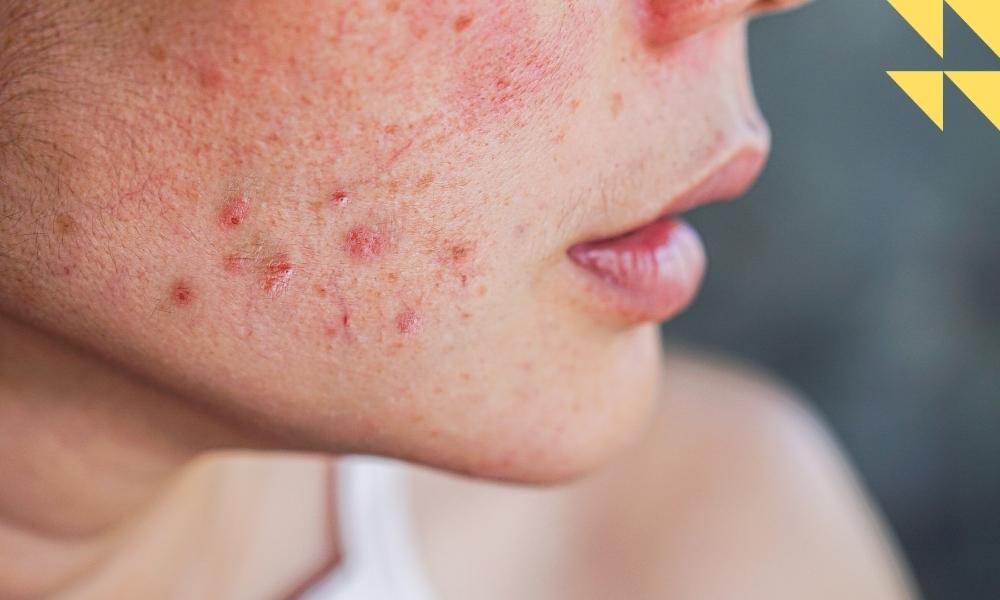
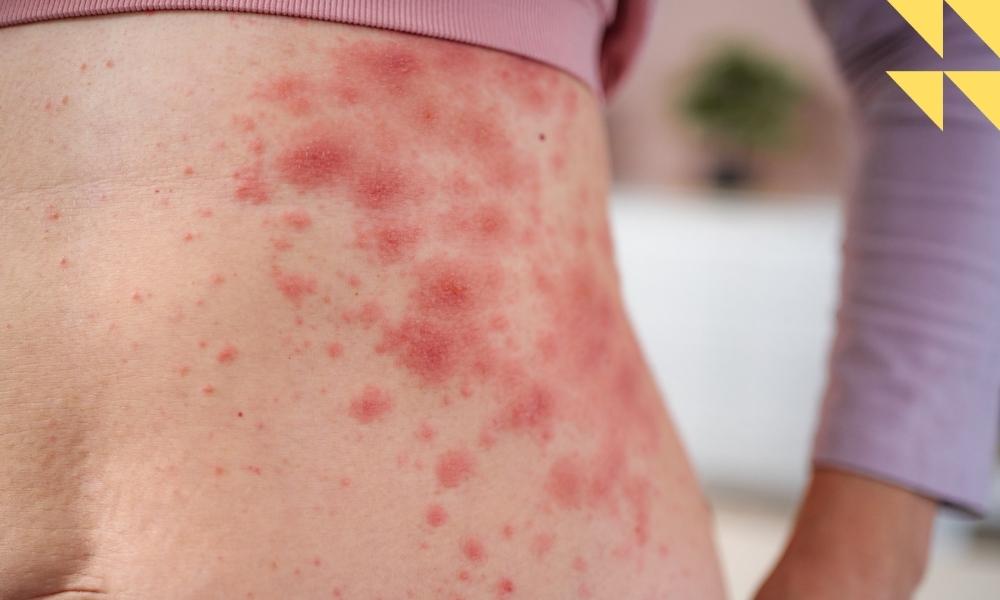
In its early stages, SJS may appear unremarkable: a mild rash, some redness, what looks like the beginning of a common illness. As the condition progresses, the skin develops a painful rash that spreads across the body, followed by blistering and widespread peeling of the outer skin layers. Lesions develop on the mucous membranes, including inside the mouth, around the eyes, and in the genital area. The skin may take on a burned, raw appearance. In severe cases, large sheets of skin detach entirely, leaving the body dangerously vulnerable to infection.
What Causes Stevens-Johnson Syndrome?
The majority of SJS cases are caused by adverse reactions to medications. However, while medications are responsible for the majority of cases, SJS can also be triggered by viral infections such as herpes simplex or HIV, bacterial infections including Mycoplasma pneumoniae, immune system disorders, and, in some cases, genetic risk factors that make certain individuals more susceptible to severe drug reactions. In a subset of cases, no clear cause is ever identified.
Which Medications Cause Stevens-Johnson Syndrome?
Drugs most strongly associated with SJS include:
- Antibiotics, particularly sulfa drugs such as trimethoprim-sulfamethoxazole, which are among the most well-documented triggers of SJS
- Anticonvulsants used to treat seizures, including carbamazepine, lamotrigine, and phenytoin
- Anti-inflammatory medications, including certain NSAIDs and pain relievers
- Gout medications, such as allopurinol
- Certain psychiatric medications, including antipsychotics and mood stabilizers
- Over-the-counter drugs, including some common pain relievers and fever reducers containing ingredients like ibuprofen and acetaminophen, particularly in children
The relationship between these medications and SJS is not obscure medical knowledge. These are well-documented, widely published drug risks that prescribers and pharmacists are expected to know, communicate to patients, and monitor carefully in clinical practice.
How Does Stevens-Johnson Syndrome Start?
SJS typically begins with symptoms that are easily mistaken for a routine illness. Many patients initially experience flu-like symptoms, including fever, fatigue, and general discomfort, before more serious symptoms develop. As the condition progresses, the body’s immune system triggers a severe reaction that affects the skin and mucous membranes.
Because SJS can worsen rapidly and become life-threatening, early recognition and prompt medical treatment are critical.
Early Symptoms of Stevens-Johnson Syndrome
In the days before the characteristic skin findings appear, patients often experience:
- Flu-like symptoms, including fever and general malaise
- Fatigue and body aches
- Sore throat and difficulty swallowing
- Burning or irritated eyes
- Skin tenderness or sensitivity
These early signs can persist for one to three days before the skin manifestations begin. This prodromal phase is a critical window, and a physician who recognizes these symptoms in the context of a recently started medication has an opportunity to intervene before the condition progresses. Failure to act during this window is one of the most consequential errors seen in SJS litigation.
How Fast Does Stevens-Johnson Syndrome Progress?
SJS can progress with alarming speed. Once the skin manifestations begin, the condition can escalate from a painful rash to widespread blistering and skin detachment within days. This rapid progression underscores why immediate treatment is so critical and why delays in diagnosis or discontinuation of the offending medication can have devastating consequences.
Advanced Stevens-Johnson Syndrome Symptoms
As SJS progresses, patients develop increasingly severe symptoms that may include:
- A spreading, painful rash across the trunk, face, and extremities
- Blisters forming on and beneath the skin
- Peeling and shedding of large areas of skin
- Lesions on the mucous membranes of the mouth, eyes, and genitals
- Difficulty eating, drinking, or breathing due to mucosal involvement
- High fever and systemic signs of serious illness
Is Stevens-Johnson Syndrome Contagious?
No, Stevens-Johnson Syndrome is not contagious. It is an immune-mediated reaction occurring within the body of the affected individual rather than an infection that can be transmitted to others. Patients should not be isolated out of concern for contagion, though they do require sterile, controlled care environments due to their vulnerability to secondary infection.
How Long Does Stevens-Johnson Syndrome Last?
The acute phase of SJS typically lasts between two and four weeks, though recovery can extend considerably longer depending on the severity of the reaction and the extent of complications. Patients with more severe involvement (particularly those progressing toward TEN) may require weeks of inpatient care. Long-term recovery from complications such as eye damage, scarring, and internal injuries can take months or years, and some effects are permanent.
Is Stevens-Johnson Syndrome Curable?
There is no specific cure for SJS. Treatment is primarily supportive and requires removing the triggering medication, managing symptoms, preventing infection, and supporting the body’s healing process. The sooner the offending drug is identified and discontinued, the better the prognosis. In cases where diagnosis is delayed and the triggering medication is left unchanged, outcomes are significantly worse.
Is Stevens-Johnson Syndrome Fatal?
Yes. SJS carries a substantial mortality rate, and that risk increases significantly as the condition progresses toward TEN. Patients may die from sepsis, organ failure, respiratory failure, or other complications arising from the destruction of the skin barrier and mucous membranes.
For families who have lost a loved one to Stevens-Johnson Syndrome, the question of whether that death could have been prevented through proper medical care is one that deserves a thorough and honest answer. If your loved one died as a result of medical negligence in relation to the mismanagement or delayed diagnosis of SJS, a Houston wrongful death attorney at Funk Law Group can help explain your legal options and fight for maximum compensation on your behalf.
How To Diagnose Stevens-Johnson Syndrome
Diagnosing SJS requires medical professionals to act promptly and thoroughly when a patient presents with the relevant combination of symptoms and medication history. A proper diagnostic workup involves:
- Recognizing the early signs of a systemic drug reaction in a patient recently started on a high-risk medication
- Conducting a thorough review of the patient’s medical history, including all current and recent medications (both prescription and over-the-counter drugs)
- Identifying the specific medications most commonly associated with adverse reactions and SJS
- Ordering appropriate diagnostic testing, including skin biopsies and laboratory studies, to assess the extent of systemic involvement
- Referring patients to emergency care or a specialized burn unit when the presentation warrants it
How To Test For Stevens-Johnson Syndrome
A skin biopsy, when performed and evaluated promptly, can confirm the diagnosis. However, treatment should not be delayed pending biopsy results when clinical presentation strongly suggests SJS.
How To Treat Stevens-Johnson Syndrome
Treatment for SJS requires intensive inpatient care, often in a burn unit or intensive care unit. The immediate priority is identifying and stopping the medication causing the reaction. From there, treatment is supportive and may include intravenous fluids and nutrition, wound care for the affected skin, pain management, eye care to prevent corneal damage, and in some cases, immunomodulatory therapies. The involvement of specialists, including dermatologists, ophthalmologists, and critical care physicians, is typically necessary in severe cases.
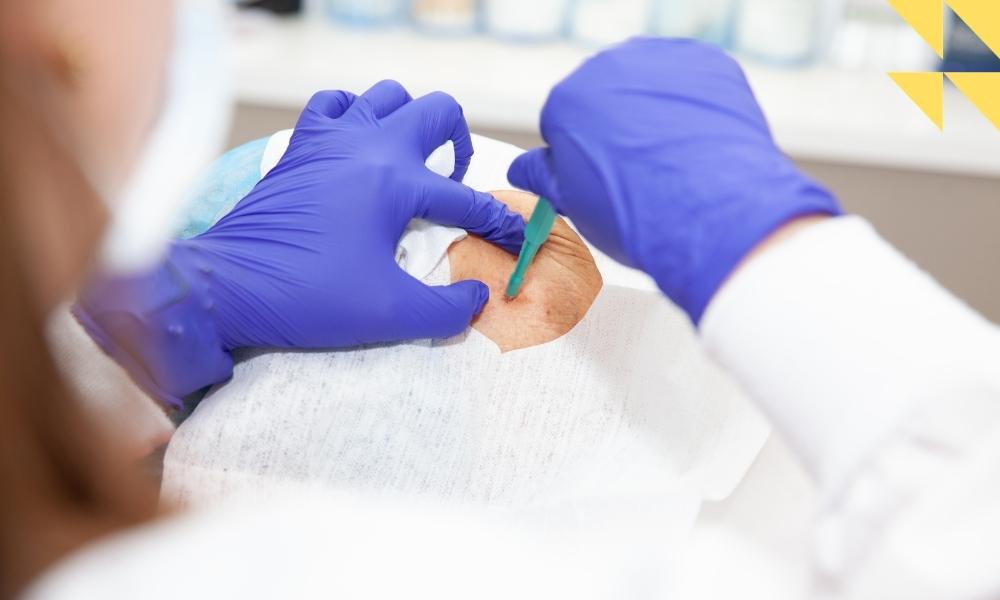
Complications and Long-Term Effects of Stevens-Johnson Syndrome
For patients who survive SJS, the disease often leaves lasting damage across multiple body systems.
Skin and Scarring Complications
Patients frequently experience permanent skin damage, disfiguring scarring, and chronic skin sensitivity. Abnormal pigmentation and textural changes may remain visible long after the acute phase of the illness resolves.
Eye Injuries and Vision Loss
Among the most serious long-term effects of SJS are eye injuries. Inflammation and scarring of the ocular surface can cause corneal damage, dry eye syndrome, and partial or complete vision loss. Many SJS survivors require ongoing ophthalmological care for the rest of their lives. As an experienced eye injury lawyer in Houston, TX, Adam Funk knows what it takes to properly investigate these claims and ensure victims recover the financial compensation needed to account for such devastating losses.
Internal and Systemic Complications
Beyond the skin and eyes, SJS can cause organ damage affecting the lungs, kidneys, and liver. Respiratory complications, including scarring of the airway, are seen in cases with significant mucosal involvement. Chronic pain, heightened vulnerability to infection, and psychological effects, including depression and post-traumatic stress, are common among survivors.
When Does Stevens-Johnson Syndrome Lead to a Medical Malpractice Claim?
Not every case of SJS gives rise to a viable medical malpractice case, but many do. A legal claim may arise when medical professionals fail to meet the standard of care that a reasonably competent provider in the same specialty would have met, and that failure causes or worsens the patient’s harm. In SJS cases, this commonly involves:
- Failure to recognize early signs of a serious drug reaction in a patient taking a known SJS-associated medication
- Delayed diagnosis that allowed the condition to progress while the triggering drug remained active in the patient’s system
- Misdiagnosis of SJS as a less serious skin condition, resulting in inadequate treatment
- Failure to discontinue a dangerous medication promptly after signs of a reaction appeared
- Delayed referral to a specialist, burn unit, or higher level of care
- Failure to properly monitor high-risk patients started on medications with documented SJS associations

Common Medical Errors Resulting in a Stevens-Johnson Syndrome Lawsuit
When doctors, hospitals, or other medical professionals fail to meet the accepted standard of care, those mistakes can contribute to delayed treatment, worsening injuries, and the basis for a Stevens-Johnson Syndrome lawsuit.
Prescription Medication Errors
Some of the most consequential errors in SJS cases occur at the point of prescribing. A doctor who prescribes a high-risk medication to a patient with documented contraindications, ignores known allergies, or fails to review the patient’s medication history before adding a new drug may be liable if the patient develops SJS as a result.
Diagnostic Errors
Misidentifying the early symptoms of SJS as a minor viral illness, common drug rash, or other benign condition delays the clinical response and allows the condition to worsen. Physicians who fail to consider SJS in a patient presenting with the characteristic symptom pattern and a relevant medication history may be departing from the expected standard of care.
Treatment Errors
Once SJS is recognized or suspected, delays in hospitalization, failure to provide adequate supportive care, and inadequate monitoring of complications can all worsen outcomes and contribute to long-term harm. In some cases, patients are sent home or treated on an outpatient basis when their condition clearly requires inpatient management.
Who May Be Liable in an SJS Lawsuit?
Depending on the facts of the case, multiple parties may bear responsibility for a patient’s SJS injuries, including:
- Attending physicians and prescribing doctors
- Hospitals and healthcare systems
- Pharmacists who failed to flag dangerous drug interactions or contraindications
- Nurses and medical staff responsible for monitoring and reporting adverse reactions
- Drug manufacturers, in product liability cases where the medication lacked adequate warnings
- Other healthcare providers involved in treatment decisions

Medical Malpractice vs. Product Liability Lawsuits
It is important to understand that SJS cases can proceed under two distinct legal theories. A medical malpractice case focuses on errors made by the treating providers in prescribing, diagnosing, or managing the patient’s care. A product liability claim targets the manufacturer of the drug that caused the reaction, alleging that the medication was defective or that its warnings were inadequate to inform prescribers and patients of the SJS risk. In some cases, both theories apply simultaneously, and pursuing both avenues may be appropriate to ensure full accountability and fair compensation.
Compensation Available in a Stevens-Johnson Syndrome Lawsuit
Victims and families who pursue SJS cases in Texas may be entitled to seek compensation for a wide range of losses, including:
- Medical bills for emergency care, hospitalization, surgery, and ongoing treatment
- Future medical costs, including long-term specialist care and management of chronic complications
- Lost wages and reduced earning capacity resulting from disability or disfigurement
- Pain and suffering, accounting for the physical and emotional toll of a life-altering injury
- Disfigurement and permanent scarring
- Loss of vision or other sensory function
- Wrongful death damages for families who lost a loved one
- Punitive damages in cases of particularly egregious misconduct
An experienced attorney will evaluate all available categories of damages to ensure that no element of your suffering goes unaccounted for in your legal claim.
How a Stevens-Johnson Syndrome Attorney Like Adam Funk Can Help
SJS litigation requires a legal team with the experience and resources to handle complex, medically intensive cases. At Funk Law Group, Adam Funk approaches every SJS case with the thoroughness it demands. This includes:
- Reviewing complete medical records and prescription histories to reconstruct the full timeline of care
- Consulting medical and pharmaceutical experts who can speak authoritatively to the standard of care and where it was breached
- Determining whether the treating providers acted appropriately given the patient’s symptoms, risk profile, and medication history
- Evaluating all sources of liability, including both malpractice and product liability theories
- Building a strong, evidence-supported claim for compensation that accounts for both current and future losses
Our law firm handles every aspect of the legal process so that clients can focus on recovery rather than dealing with the many complexities of litigation on their own.
Why Choose Funk Law Group for Your Stevens-Johnson Syndrome Case?
Stevens-Johnson Syndrome cases are medically complex, emotionally devastating, and often aggressively contested by insurance company representatives and defense counsel. Victims need an experienced attorney who understands both the science of SJS and the legal framework governing medical malpractice claims in Texas.
Attorney Adam Funk has dedicated his practice to representing victims of catastrophic injuries, including complex medical malpractice cases involving serious and rare conditions. His clients receive personalized attention, thorough case preparation, and access to qualified medical experts. Funk Law Group handles SJS cases on a contingency fee basis, meaning there is no fee unless financial compensation is recovered on your behalf.

Contact a Houston Stevens-Johnson Syndrome Lawyer Today
If you or a loved one has suffered serious harm from Stevens-Johnson Syndrome, do not wait to seek justice. Texas law places strict limitations on the time available to bring a medical malpractice or product liability claim, and evidence critical to your case can become more difficult to preserve as time passes.
As an experienced Stevens-Johnson Syndrome lawyer in Houston, Adam Funk of Funk Law Group is ready to evaluate your case at no cost and no obligation to you.
Call 346.501.FUNK or complete our online contact form to schedule your free consultation and let us help you understand your legal rights and pursue the fair compensation your family deserves.