
Facial Paralysis
Houston Infant Facial Paralysis Attorney

Experienced Facial Paralysis Birth Injury Lawyer in Houston – Serving the Entire Metro Area
Not every birth injury is an unavoidable outcome. Some cases of newborn facial paralysis result directly from preventable mistakes made by medical providers during labor and delivery, including errors in technique, judgment, or monitoring that should never happen when proper standards of care are followed. When negligence causes a child to suffer a lasting facial nerve injury, families deserve answers and accountability.
At Funk Law Group, Attorney Adam Funk helps Houston families pursue compensation for congenital facial palsy or facial nerve dysfunction caused by medical negligence during birth. If your newborn was diagnosed with facial paralysis following a difficult delivery, call 346.501.FUNK or schedule your free consultation online to learn how we may be able to help.
Facial Paralysis
Playlist
1:42
2:16
1:50
2:31
1:35









Congenital Facial Paralysis After Birth Trauma Can Affect a Child for Life
Facial paralysis in a newborn is more than a cosmetic concern. The facial nerve governs the muscles responsible for eating, blinking, speaking, and expressing emotion — all functions that are critical to a child’s development and quality of life. Infants with facial paralysis may struggle to breastfeed or bottle feed, have difficulty closing one eye fully, and show limited or asymmetrical facial movement during crying or interaction.
As children grow, facial paralysis can affect speech development, interfere with social connections, and take a significant emotional toll as children become aware of how their appearance and expressions differ from those of their peers. When these challenges stem from a preventable delivery room error, the impact on the child and their family is both heartbreaking and unjust. As an experienced birth injury attorney in Houston, TX, Adam Funk and the team at Funk Law Group work tirelessly to ensure those responsible are held accountable and those who suffered harm are fully compensated.
What is a Facial Paralysis Birth Injury?
Facial paralysis in newborns refers to the partial or complete loss of voluntary muscle movement on one or both sides of the face, caused by damage to or disruption of the facial nerve. The facial nerve — cranial nerve VII — originates in the brainstem and branches outward through the face, controlling the muscles responsible for expression, blinking, and certain aspects of eating and speech.
Facial nerve injuries in newborns may be temporary or permanent. In milder cases, where the nerve was compressed but not torn or severely damaged, function may return gradually over weeks or months. In more serious cases involving significant nerve disruption or structural damage, the paralysis may be lifelong and require ongoing medical management.
Central vs. Peripheral Paralysis
Peripheral facial paralysis occurs when the facial nerve itself is damaged, preventing movement across the entire affected side of the face, including the forehead, eyelid, and mouth. This form is more commonly associated with birth trauma and delivery-related injuries. Central paralysis, by contrast, originates in the brain rather than the facial nerve and typically affects only the lower face while preserving forehead movement.
Determining whether paralysis is central or peripheral helps physicians identify the underlying cause, evaluate the extent of neurological involvement, and guide both treatment options and legal evaluation in birth injury cases.
Understanding the Different Types of Congenital Facial Paralysis
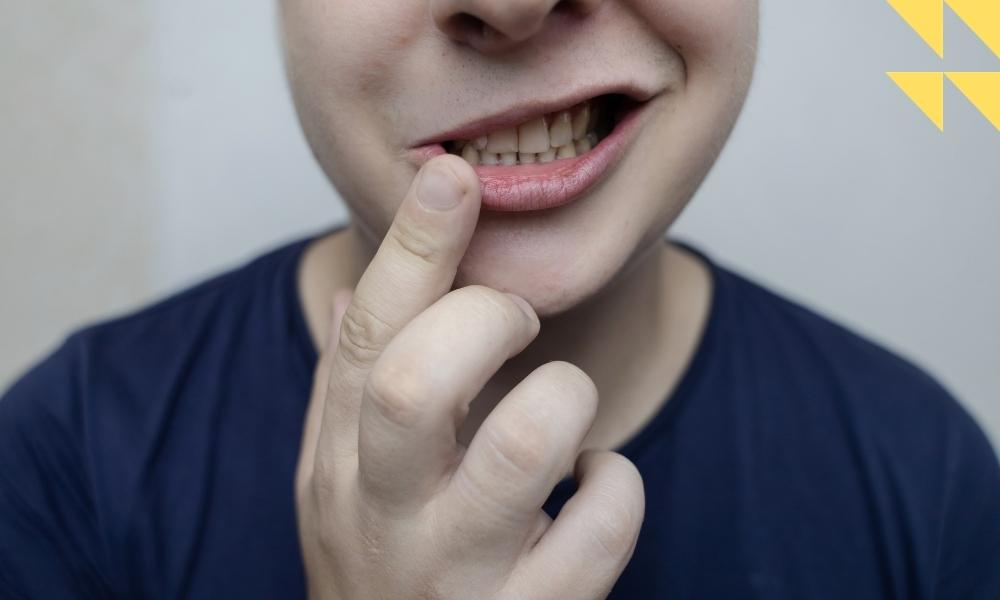
Facial paralysis in infants is not a single condition. Rather, it encompasses several distinct presentations that vary in cause, severity, and long-term prognosis. Here are some of the more common types of congenital facial paralysis:
Moebius Syndrome
Moebius Syndrome is a rare neurological condition characterized by paralysis or severe weakness of the facial nerve and the nerve responsible for controlling eye movement. Children with Moebius Syndrome may be unable to smile, frown, blink normally, or move their eyes side to side. The condition may also affect feeding, speech development, facial expression, and social interaction as the child grows. Additionally, some children experience limb abnormalities, damage to other cranial nerves, chest wall differences, or developmental delays.
Unilateral Facial Paralysis
Unilateral facial paralysis affects only one side of the face and is one of the most common facial nerve injuries associated with birth trauma. This condition frequently develops when pressure, stretching, or compression damages the facial nerve during labor and delivery. Infants with unilateral paralysis may display uneven facial movement, difficulty feeding, drooping on one side of the face, or inability to fully close one eye. The severity of the injury depends on the amount of nerve damage and whether the nerve was compressed, bruised, or permanently injured.
Hemifacial Microsomia
Although similar to unilateral facial paralysis in that it affects only one side of a child’s face, Hemifacial Microsomia involves different underlying conditions. Where unilateral paralysis primarily results from injury or dysfunction of the facial nerve, leading to weakness or loss of facial movement, Hemifacial Microsomia involves incomplete or uneven development of one side of the face, which may affect the jaw, cheek, ear, mouth, and surrounding soft tissues.
The severity can vary significantly from mild facial asymmetry to more extensive structural abnormalities that interfere with breathing, hearing, speech, or eating. Children with this condition may require reconstructive procedures, speech therapy, orthodontic treatment, or long-term medical care.
Bell’s Palsy
Bell’s Palsy also involves sudden muscle weakness or paralysis on one side of the face caused by inflammation, compression, or injury to the facial nerve. Although more common in adults, Bell’s Palsy can affect newborns, particularly after difficult deliveries involving forceps, prolonged labor, or pressure on the facial nerve during childbirth. Infants with Bell’s Palsy may have difficulty closing one eye, breastfeeding properly, or moving one side of the mouth while crying. Some cases improve over time, while others may result in lasting facial weakness or asymmetry.

What Happens if the Facial Nerve Is Damaged?
Damage to the facial nerve caused by medical negligence can produce a range of long-term complications that affect nearly every aspect of a child’s daily life. These include persistent facial asymmetry that becomes more noticeable as the child develops, speech difficulties caused by impaired control of the lips and surrounding muscles, feeding challenges in infancy that may require specialized intervention, and eye injuries resulting from the inability to fully close the eyelid, leaving the cornea exposed and vulnerable to dryness, irritation, and damage.
The emotional and social effects of visible facial differences are also profound, particularly as children enter school age. Developmental concerns may also arise when early feeding and communication difficulties are not adequately addressed.
Facial Nerve Palsy Due to Birth Trauma
The facial nerve (aka the seventh cranial nerve) runs through a narrow bony canal on each side of the skull before branching across the face. During labor and delivery, this nerve can be compressed, stretched, or injured when excessive force is applied to the baby’s head or face, whether from instrumental delivery, improper technique, or prolonged pressure during a difficult labor.
In most cases involving birth trauma, this injury is almost always unilateral, affecting only the side of the face that sustained the greatest pressure.
Signs and Symptoms of Facial Nerve Palsy (Paralysis)
Facial nerve palsy may present a wide range of clinical features depending on the severity of the nerve injury and whether the condition affects one or both sides of the infant’s face. Some symptoms may be immediately present after birth, while others become more noticeable over the first few months as the child develops facial movement, feeding patterns, and muscle control in the mouth, lower lip, jaw, and neck areas.
Some of the more common symptoms include:
- Uneven movement on one side of the infant’s face while crying or resting
- Drooping of the mouth or lower lip on the affected side
- Difficulty fully closing one eye
- Limited forehead movement or inability to wrinkle the forehead
- Weak sucking or feeding difficulties during infancy
- Flattened facial expression or reduced facial movement
- Excessive tearing or eye dryness caused by incomplete blinking
- Difficulty smiling or moving facial muscles normally
- Muscle weakness affecting the cheek, mouth, or eyelid
- Abnormal head or neck positioning caused by muscle imbalance
- Changes in speech development or oral motor control as the child grows
- Ear or jaw asymmetry
- Visible differences in facial appearance that remain consistently present over time
Identifying any of these signs should prompt immediate neurological evaluation.

What Causes Facial Paralysis in Newborns?
Pressure during labor and delivery is one of the most common developmental causes of neonatal facial nerve injury. That pressure may be natural (the result of the baby’s position or the mother’s anatomy), or it may be caused or worsened by the actions of the medical team.
More specifically, facial paralysis in newborns can occur when the baby’s head is large relative to the birth canal, when labor is prolonged, when the baby is positioned in a way that places unusual pressure on the face, or when the medical team uses delivery instruments or techniques improperly. Failure to recognize warning signs of a complicated delivery, proceeding with instrumental delivery when contraindicated, or applying improper technique during a high-risk labor can all contribute to a preventable facial nerve injury.
Not all cases of neonatal facial paralysis are caused by negligence, but when the injury results from a preventable delivery room mistake, the responsible parties can and should be held accountable.
Common Delivery Errors Linked to Facial Paralysis Malpractice
- IMPROPER USE OF FORCEPS DURING DELIVERY — Forceps are applied to the sides of the baby’s head to assist delivery. When applied incorrectly, placed too close to the facial nerve, or used with excessive force, they can directly compress or injure the nerve, causing paralysis.
- VACUUM EXTRACTION INJURIES — Vacuum-assisted delivery carries risks of its own. Improper placement or excessive traction with the vacuum device can cause traumatic injury to the baby’s head and face, including damage to the facial nerve.
- EXCESSIVE PULLING OR ROTATIONAL FORCE — Manual traction applied too aggressively during a difficult delivery, particularly when the baby is in an abnormal position, can stretch or tear facial nerve tissue.
- FAILURE TO ORDER A TIMELY C-SECTION — When labor is not progressing safely, a timely cesarean delivery may be the appropriate intervention. Failure to call for a C-section in time can result in prolonged traumatic labor that injures the infant’s facial nerve.
- FAILURE TO MONITOR HIGH-RISK LABOR COMPLICATIONS — Inadequate fetal monitoring during a high-risk labor may cause providers to miss developing complications that signal the need for a change in delivery approach before an injury occurs.
How Doctors Diagnose Facial Paralysis in Newborns
A facial paralysis diagnosis in a newborn typically begins with a physical examination assessing facial symmetry, muscle movement, and eye closure. Neurological evaluation follows to assess the nature and extent of nerve involvement. Imaging studies such as MRI or CT scanning may be used to identify structural causes or trauma to the nerve pathway, while electromyography and nerve conduction testing can help determine the degree of nerve damage and prognosis for recovery. Pediatric specialist consultations, including pediatric neurology and, in some cases, plastic surgery, are also often part of the diagnostic process.
Is Facial Paralysis Permanent?
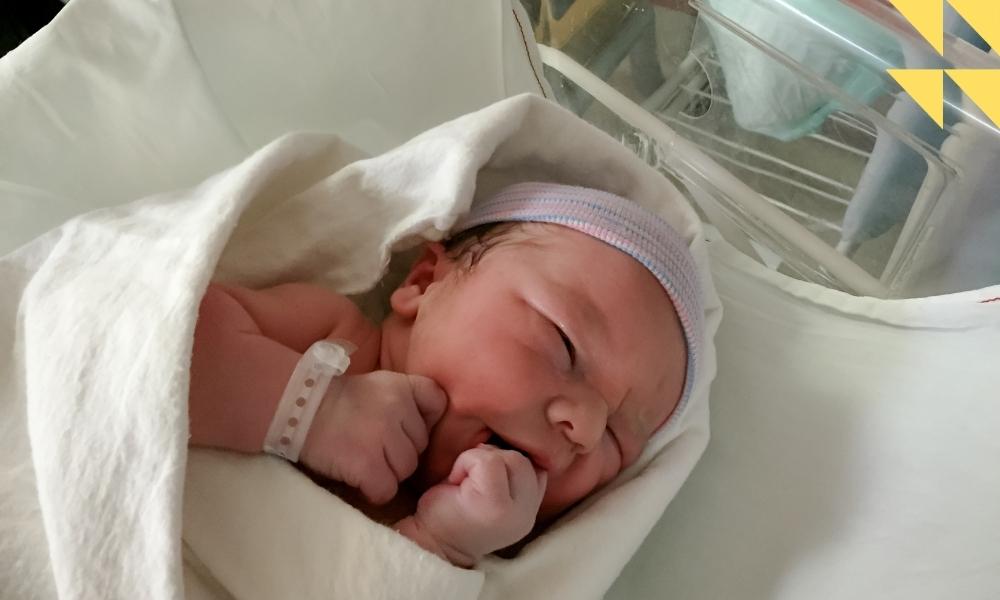
Whether facial paralysis is permanent depends on the type and severity of the nerve injury. Mild compression injuries, where the nerve structure remains intact, often resolve over weeks to months as the nerve heals. More severe injuries involving significant disruption of nerve fibers, scar tissue formation, or structural damage may result in lasting impairment.
When a delivery room error causes the kind of forceful trauma that tears or permanently disrupts the nerve, the child may face lifelong facial paralysis, and with it, the emotional, functional, and financial challenges that accompany a permanent disability.
Can Facial Paralysis Be Cured?
The underlying cause and severity of the nerve injury determine the treatment needed for neonatal facial paralysis. Physical therapy and facial rehabilitation exercises can help stimulate nerve recovery and strengthen affected muscles. Eye protection treatment, including lubricating drops, patching, or, in some cases, surgical procedures, is important for children who cannot fully close the affected eye. Nerve repair procedures may be considered in select cases where surgical intervention offers the possibility of improved function.
Outcomes vary widely, and not all children recover full facial movement even with comprehensive treatment.
Long-Term Challenges for Children With Facial Paralysis
Children living with facial paralysis may face significant physical, developmental, emotional, and financial challenges throughout their lives. For instance, difficulty blinking, eating, smiling, and controlling facial muscles can interfere with daily functioning and may require continuous medical management, therapy, and rehabilitative care. Impaired facial movement may also contribute to speech and feeding delays, particularly when limited lip and mouth control affects communication and oral motor development. In many cases, children require early intervention services from speech language pathologists, feeding specialists, physical therapists, and other medical providers to support healthy development.
Beyond the physical effects, visible facial differences can deeply affect a child’s emotional wellbeing and social development. Children with facial paralysis may struggle with self esteem, peer interactions, and social confidence as they grow older. Some experience anxiety, bullying, social withdrawal, or psychological distress related to their appearance and communication difficulties.
Families may also face substantial financial burdens from ongoing specialist appointments, surgeries, therapy, and long-term care needs. When acquired abnormalities and facial nerve injuries result from medical negligence during labor or delivery, families should not be left alone to absorb the lasting emotional and financial consequences of these preventable injuries. An experienced Houston medical malpractice attorney like Adam Funk can help make sure the responsible parties are identified and held legally accountable for the part they played in a child’s birth injury.
Who May Be Liable for a Facial Paralysis Birth Injury?
Multiple parties may share responsibility for a birth injury causing facial paralysis. Potentially liable parties include the delivering obstetrician, nurses and delivery room staff, hospitals and birthing facilities, and the broader healthcare systems whose staffing and training practices contributed to the conditions that enabled the error.

How a Houston Facial Paralysis Lawyer Can Help Families Facing These Devastating Birth Injuries
Attorney Adam Funk and the team at Funk Law Group approach facial paralysis birth injury cases with the thoroughness and compassion these patients and their families deserve. This includes a detailed investigation of labor and delivery records, collaboration with qualified medical experts who can identify where the standard of care was violated, and a careful assessment of every element of long-term damages, including future therapy costs, medical treatment, educational support, and the emotional impact on the child and family. We pursue settlement negotiations aggressively on behalf of our clients and prepare every case for trial when insurers and hospitals refuse to offer fair compensation.
Compensation Available in a Facial Paralysis Birth Injury Claim
- Medical Expenses and Future Care Costs: All past and anticipated medical treatment, including specialist visits, surgical procedures, and long-term neurological care
- Therapy and Rehabilitation Expenses: Physical therapy, facial rehabilitation, speech therapy, and feeding intervention costs for as long as treatment is medically necessary
- Pain and Suffering Damages: Compensation for the physical pain and discomfort associated with the injury and its treatment
- Emotional Distress and Loss of Quality of Life: The psychological impact of a permanent facial difference on both the child and the family
- Long-Term Disability and Developmental Support: Lifetime costs of disability-related support, educational accommodations, and developmental services
Why Early Legal Action Matters in These Cases
Texas medical malpractice claims are generally subject to a two-year statute of limitations, and waiting too long can forfeit the right to pursue compensation entirely. Beyond the legal deadline, acting early matters because medical records, delivery logs, and fetal monitoring strips are far easier to obtain and verify shortly after the injury occurs. Early independent medical evaluation also helps establish a clear and well-documented record of the injury and its cause.
If you suspect your child’s facial paralysis resulted from a delivery room error, consulting with an attorney as soon as possible is one of the most important steps you can take.

Why Houston Families Can Trust Adam Funk for Their Facial Paralysis Birth Injury Case
Adam Funk provides compassionate, personally attentive representation to families navigating the most difficult circumstances imaginable. He brings genuine experience handling catastrophic birth injury claims, understanding both the medical complexity of these cases and the profound human stakes involved.
Families who work with Funk Law Group receive direct communication and individualized legal guidance at every stage, with a consistent focus on protecting the long-term interests of the child and the family. When negligence robs a child of normal facial function and everything that comes with it, Adam and his team are fully committed to pursuing every measure of accountability and compensation available under Texas law.

Speak With an Experienced Houston Facial Paralysis Lawyer at Funk Law Group Today
Your child’s future matters, and so does the time you have to act. If your newborn suffered congenital facial paralysis during labor and delivery and you believe a preventable medical error may be responsible, do not wait to seek legal guidance. Texas filing deadlines are real, and early action protects your family’s rights.
Contact Funk Law Group by calling 346.501.FUNK or by reaching out through our convenient online contact form to schedule a free consultation today.