
Spinal Cord Injury at Birth
Spinal Cord Birth Injury Lawyer in Houston, TX
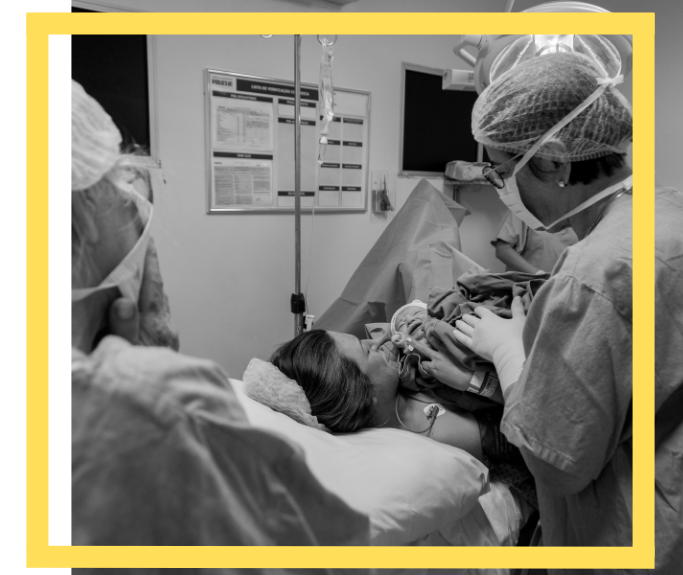
Houston Birth Injury Law Firm Helping Families Pursue Justice Following a Preventable Birth Spinal Cord Injury
A spinal cord injury during childbirth can permanently affect a child’s health and future in ways that touch nearly every aspect of daily life. Families who expected to bring home a healthy newborn instead find themselves facing a lifetime of medical appointments, therapy sessions, and difficult questions about what happened during labor and delivery. At Funk Law Group, attorney Adam Funk has extensive experience handling birth injury and medical malpractice cases throughout the Houston area, and he understands how devastating it is to learn that your child’s injury may have been preventable.
When a healthcare provider fails to meet the accepted standard of care during the labor and delivery process, the result can be a serious birth injury that no family should have to endure. If your child suffered a spinal cord injury at birth, Adam and his legal team can investigate the circumstances surrounding the delivery and help determine whether medical negligence played a role.
Contact an experienced Houston birth injury lawyer at Funk Law Group at 346.501.FUNK or via our online intake form for a free consultation to discuss your child’s case today.









What is a Spinal Cord Birth Injury?
A spinal cord birth injury occurs when a newborn’s spinal cord is damaged before, during, or immediately after delivery, often as a result of excessive force, improper technique, or a delayed response to an obstetric emergency. The spinal cord is responsible for carrying signals between the brain and the rest of the body, and because the nerves control sensation and movement throughout the body, even a relatively small amount of damage can have lasting, sometimes permanent, consequences for a child.
Not every spinal cord injury at birth is the result of malpractice. Childbirth can involve unexpected complications, and some injuries occur despite a medical team’s best efforts. The key distinction is between an unavoidable complication and preventable medical negligence, meaning an injury that occurred because a healthcare provider failed to follow accepted delivery techniques or failed to respond appropriately when warning signs appeared.

What Causes Spinal Cord Injury at Birth?
Spinal cord injuries at birth typically result from excessive physical stress placed on a baby’s neck or spine during delivery. Excessive traction during delivery, whether applied by hand or through the improper use of forceps or a vacuum extractor, can stretch or damage the delicate spinal cord of a newborn. Shoulder dystocia complications, which occur when a baby’s shoulder becomes lodged behind the mother’s pubic bone during delivery, present a particularly high risk, especially when the healthcare provider responds by pulling excessively rather than using recognized maneuvers to safely resolve the obstruction.
Other common causes include:
- Failure to perform a timely cesarean section when vaginal delivery has become unsafe
- Errors during a breech delivery
- Excessive twisting or pulling of the baby’s head or neck while attempting to guide the baby through the birth canal
- Failure to recognize fetal distress in time to intervene
How Can a Spinal Cord Injury During Birth Occur?
Spinal cord injuries during birth often stem from labor and delivery complications that require quick thinking and careful technique. Difficult vaginal deliveries, particularly those involving a large baby, an abnormal fetal position, or prolonged labor, increase the physical stress placed on a newborn’s spine. Obstetric emergencies, such as shoulder dystocia or sudden fetal distress, also demand an immediate and appropriate response. When medical professionals fail to follow accepted delivery techniques under these circumstances, the risk of injury rises significantly.
Delayed intervention during childbirth is one of the most common threads running through many birth injury cases. Whether the delay involves recognizing a complication, calling for additional support, or moving to an emergency cesarean section, time matters enormously when a baby is in distress. The longer a healthcare provider waits to act, the greater the risk that a manageable situation turns into a devastating birth injury.

Common Types of Spinal Cord Birth Injury
Spinal cord injuries during birth can occur when excessive force, improper positioning, or delayed intervention places stress on a baby’s fragile spine during a difficult delivery. These injuries range widely in severity and location, and the specific area of the spinal cord affected plays a major role in determining the extent of a child’s long-term physical limitations.
Understanding the different types of spinal cord injuries that can occur at birth helps families recognize the signs of a problem and understand what their child may be facing in the months and years ahead.
Cervical Spinal Cord Injuries
Injuries to the cervical spine, located in the neck region, are among the most serious birth-related spinal injuries because they can affect nerve function throughout the entire body below the injury site. Depending on the severity, cervical injuries can lead to significant impairment in arm and leg movement, breathing difficulties, and in the most severe cases, quadriplegia, a form of paralysis affecting all four limbs.
Thoracic Spinal Cord Injuries
The thoracic spine runs through the upper and mid-back, and injuries at this level typically affect the trunk and lower body while sparing arm function. Babies with thoracic spinal cord injuries may experience difficulty with core muscle control, which can affect their ability to sit up, balance, and eventually walk as they grow. While these injuries are generally less common than cervical injuries during birth, they can still result in lasting mobility challenges depending on exactly where along the thoracic spine the damage occurred.
Lumbar Spinal Cord Injuries
Injuries to the lumbar spine, located in the lower back, primarily affect function in the hips, legs, and feet. Children with lumbar spinal cord injuries often retain more upper body strength and control than those with higher-level injuries, but they may still face challenges with walking, bladder and bowel control, and lower limb strength. The specific impact depends heavily on which lumbar nerve levels were affected and the extent of the damage sustained during delivery.
Complete vs. Incomplete Spinal Cord Injuries
Spinal cord injuries are also classified by whether the damage is complete or incomplete, a distinction that significantly affects a child’s prognosis. A complete spinal cord injury means there is a total loss of sensation and function below the level of injury, while an incomplete injury means some nerve signals are still able to pass through the damaged area, preserving partial movement or sensation. Incomplete injuries often allow for a greater degree of recovery and function over time, particularly with early and consistent therapy, while complete injuries typically result in more permanent and extensive impairment.

Signs and Symptoms of a Spinal Cord Injury at Birth
Recognizing the signs of a spinal cord injury early can make a meaningful difference in a child’s outcome. Newborns affected by a spinal cord birth injury may show:
- Muscle weakness or paralysis in one or more limbs
- Limited movement that doesn’t improve as expected in the days following delivery
- Difficulty breathing and feeding difficulties
- Loss of sensation in the arms or legs
- Developmental delays that become more apparent as the child grows
- Abnormal muscle tone (which may present as unusually stiff or unusually floppy muscles)
Because some of these symptoms can be subtle at first, ongoing developmental assessments are important for catching problems that may not be obvious immediately after birth.
Long-Term Effects of a Spinal Cord Birth Injury
The long-term effects of a spinal cord birth injury often extend far beyond the newborn period, shaping nearly every aspect of a child’s future. Permanent paralysis and significant mobility limitations are among the most life-altering consequences, often requiring a wheelchair or other mobility aids for daily activities. Respiratory complications can persist for years, particularly in children with higher-level spinal cord damage, and many children experience chronic pain that requires ongoing medical management.
Loss of bladder and bowel control is another common and lifelong challenge, along with developmental challenges that may affect a child’s cognitive, social, and physical growth. Most children with a serious spinal cord birth injury require lifelong medical care, and many families must invest in adaptive equipment and home modifications to help their child live as independently as possible.

Common Types of Medical Errors That May Lead to a Birth Spinal Cord Injury
Among the most common birth injuries, spinal cord damage often traces back to identifiable errors made before, during, or immediately after delivery. When medical professionals fail to anticipate complications, act too slowly during an emergency, or use excessive force with delivery instruments, the spine and surrounding nerves can suffer damage that leads to lifelong impairment. Understanding these recurring patterns is often the first step in evaluating birth injury cases and determining whether a child’s injury could have been prevented with more careful, attentive medical care.
Failure to Recognize a High-Risk Pregnancy
Many birth injuries happen when health care professionals fail to identify and properly manage risk factors that signal a higher likelihood of complications during delivery. Conditions like a large baby, breech positioning, or a mother’s pre-existing health issues should prompt closer monitoring and a carefully planned delivery approach, yet these warning signs are sometimes overlooked or dismissed.
When providers fail to prepare for known birth complications in advance, they may be caught off guard during delivery, increasing the risk of a traumatic and preventable spinal injury.
Improper Management of Shoulder Dystocia
Shoulder dystocia occurs when a baby’s shoulder becomes lodged behind the mother’s pelvic bone during delivery, and how this emergency is handled can make the difference between a safe delivery and a serious injury. Improper maneuvers or excessive pulling during shoulder dystocia can result in a brachial plexus injury, including the nerve damage known as Erb’s palsy, as well as more severe spinal cord trauma.
As an experienced Houston shoulder dystocia lawyer, Adam Funk often sees cases where a delivery team’s failure to follow established protocols for this obstetric emergency directly caused a child’s lasting injury.
Excessive Force During Delivery
Babies who suffer birth injuries due to excessive force during delivery may experience damage ranging from spinal cord trauma to a serious brain injury and resulting conditions like cerebral palsy. When physicians use excessive traction while attempting to deliver a baby who is stuck or positioned awkwardly, severe trauma to the neck and spine may occur and can cause injuries that affect a child for the rest of their life. This type of forceful intervention is often a sign that a delivery was not managed with the level of care and precision required to protect a newborn’s fragile body.
Delayed Emergency Cesarean Section
When complications arise during labor, a timely cesarean section can often prevent serious harm, but delays in recognizing the need for emergency intervention leave many birth injury victims without the protection they needed. Spinal cord birth injury cases frequently involve situations where a vaginal delivery was allowed to continue for too long despite clear signs of distress, ultimately resulting in preventable birth injuries including spinal trauma and brain damage. The longer an emergency C-section is delayed once it becomes medically necessary, the greater the risk to both mother and baby. If you, your child, or a loved one suffered because a doctor failed to act, Houston C-section error lawyer Adam Funk can help.
Improper Use of Delivery Instruments
Forceps and vacuum extractors can be valuable tools during a difficult delivery, but improper use of this medical equipment is a common cause of birth trauma. When a child’s birth injury resulted from excessive force, incorrect placement, or repeated attempts with these instruments, the outcome can be a catastrophic injury involving nerve damage or spinal cord trauma that affects the child permanently. Because these instruments apply direct pressure to a newborn’s head and neck, even small errors in technique can have serious, lasting consequences.
Failure to Monitor Fetal Distress
Continuous fetal monitoring during labor is meant to catch early warning signs that a baby is in trouble, and a failure to properly monitor and respond to fetal distress can lead to oxygen deprivation, spinal injuries, and other severe complications. When health care providers misread monitoring strips or fail to act quickly on signs of distress, the delay in delivering the baby can result in injuries that form the basis of a birth injury claim against the responsible medical team.

Diagnosing a Spinal Cord Injury in Newborns
Diagnosing a spinal cord injury in a newborn typically begins with a thorough physical examination shortly after birth, looking for signs such as limited movement, abnormal reflexes, or unusual muscle tone. Neurological evaluations help assess the extent of nerve function and identify which areas of the body may be affected. MRI and CT imaging provide detailed pictures of the spinal cord itself, allowing medical providers to pinpoint the location and severity of the injury, while ultrasound may be used in some cases, particularly in the earliest days of life.
Because some effects of a spinal cord injury may not be fully apparent right away, ongoing developmental assessments throughout infancy and early childhood are essential for tracking a child’s progress and identifying any delays that may point to a more significant underlying injury.
Treatment for Children With Spinal Cord Injuries
Treatment for a newborn with a spinal cord injury often begins with emergency medical treatment immediately after birth, followed by surgery in more severe cases to relieve pressure on the spinal cord or stabilize the affected area. From there, many children require an extensive course of physical therapy and occupational therapy to build strength, improve mobility, and develop skills for daily living.
Respiratory support is often necessary for children with higher-level injuries, while assistive technology, such as braces, wheelchairs, or communication devices, can help a child function more independently as they grow. Ongoing rehabilitation and careful long-term care planning are typically necessary throughout childhood and beyond, since the needs of a child with a spinal cord injury tend to evolve as they reach new developmental stages.

How Spinal Cord Birth Injury Attorneys Prove Medical Negligence
Proving that a spinal cord birth injury resulted from medical negligence requires gathering substantial evidence and building a clear picture of what happened during labor and delivery. This process typically involves reviewing prenatal records to understand the pregnancy leading up to delivery, along with labor and delivery records and fetal monitoring strips documenting how the medical team responded as the delivery progressed.
Operative reports and imaging studies help establish the mechanics of the injury itself, while expert obstetric and neonatal testimony is essential for explaining how the standard of care was breached and how that breach caused the child’s injury. Hospital policies and procedures are also reviewed to determine whether staff deviated from established protocols during a critical moment in the delivery.
Fighting for Maximum Compensation Following a Spinal Cord Birth Injury
Families pursuing a medical malpractice lawsuit after a spinal cord birth injury may be entitled to several different types of financial compensation, reflecting the physical, emotional, and financial toll this kind of injury takes on both the child and the family as a whole. The common types of damages our Houston spinal cord injury attorneys at Funk Law Group fight for include:
- Past and Future Medical Expenses — This includes the mounting medical bills from hospitalization, surgeries, and ongoing treatment, as well as anticipated costs for future care as the child grows.
- Long-Term Rehabilitation and Therapy Costs — Spinal cord injuries often require years of physical, occupational, and sometimes speech therapy to help a child reach their fullest potential.
- Home and Lifestyle Modifications — Wheelchair-accessible housing, adaptive equipment, and specialized transportation are common needs for children with spinal cord injuries.
- Pain and Suffering — Beyond tangible costs, families can seek compensation for the physical pain, emotional distress, and diminished quality of life the child will experience as a result of the injury.
- Loss of Future Earning Capacity — When a spinal cord injury is expected to limit a child’s future ability to work and support themselves, damages may account for this lifelong economic impact.
- Emotional Distress — Parents and family members often endure significant emotional and financial strain caring for a child with a serious injury, and this hardship can also factor into a claim.
Pursuing full and fair compensation ensures that a family isn’t left shouldering the financial burden of a preventable injury on their own, while also accounting for the emotional weight of caring for a child whose life has been permanently altered by a preventable error.

Why Work With Funk Law Group For Your Houston Spinal Cord Birth Injury Lawsuit?
Adam Funk is a highly skilled and well-respected malpractice attorney in Houston, TX with extensive experience representing families in birth injury cases, spinal cord injury cases, and other complex personal injury claims. At Funk Law Group, our law firm works closely with respected medical experts to build a clear, evidence-backed medical malpractice claim. We are prepared to conduct a thorough investigation into the actions of the healthcare providers involved to determine how negligence occurred and who should be held accountable.
Families who choose Funk Law Group receive personalized representation during one of the most difficult times of their lives. What’s more, the firm handles cases on a contingency fee basis, so there are no upfront legal fees to get started.
With every case, Adam and his legal team remain committed to securing the compensation families need to address a child’s lifelong care needs, including ongoing medical costs, adaptive equipment, therapy, and other essential support services that can improve a child’s quality of life.

If Your Child Suffered a Birth Injury, Contact Houston Malpractice Attorney Adam Funk Today
Every child deserves the chance to grow up without the burden of a preventable injury, and families who suspect their child’s spinal cord injury resulted from medical negligence deserve answers. Seeking legal guidance as soon as possible helps preserve important medical records and other evidence that may be critical to your case, while also protecting your family’s legal rights.
Contact Funk Law Group today for a free consultation to discuss whether your child’s spinal cord injury during birth may have resulted from medical negligence, and take the first step toward seeking justice for your family. You can reach us by phone at 346.501.FUNK or via our online contact form to get started.