
Brachial Plexus Injury
Houston Brachial Plexus Injury Lawyer
Experienced Brachial Plexus Childbirth Injury Lawyer Helping Families in the Houston Metro Area
A brachial plexus injury sustained during childbirth can alter the course of a child’s life. When a baby’s nerves are damaged during labor and delivery, the consequences can range from temporary weakness to permanent paralysis. For families navigating this diagnosis, understanding what happened and who may be responsible is both a right and a necessity.
At Funk Law Group, Houston birth injury lawyer Adam Funk represents families whose children have suffered brachial plexus injuries caused by medical negligence. Having handled a number of complex birth injury and medical malpractice claims in the Houston Metro Area, Adam understands the medical complexity of these cases and what it takes to hold negligent parties accountable. If your child suffers from a brachial plexus injury and you believe preventable errors during delivery played a role, contact an experienced Houston brachial plexus injury lawyer at Funk Law Group by calling 346.501.FUNK today for a free case evaluation.









What is a Brachial Plexus Injury?
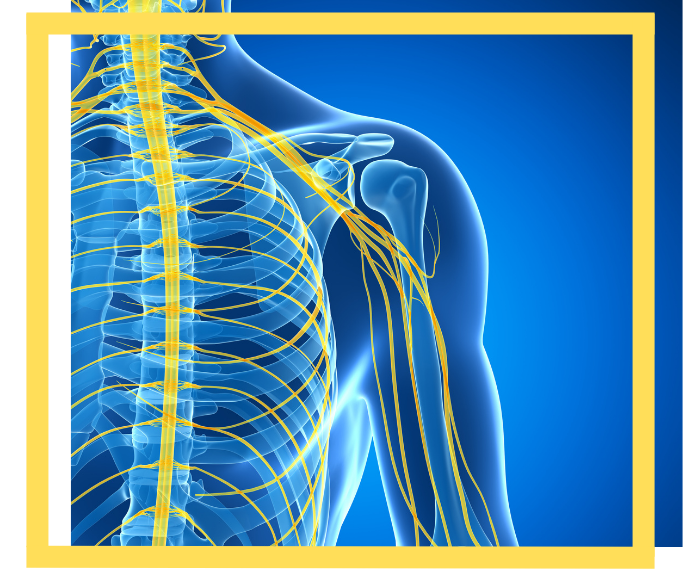
The brachial plexus is a network of nerves that originates in the cervical spine and runs through the neck and shoulder, branching out to control movement and sensation in the upper arm, forearm, hand, and fingers. These nerves transmit the nerve signals that allow us to lift, grip, and feel, making them essential to virtually every function of the arm.
During childbirth, a brachial plexus injury occurs when the baby’s neck is stretched or pulled with too much force, causing nerve damage that can range from temporary irritation to permanent loss of function. In difficult delivery situations, when a baby’s shoulder becomes lodged or the baby’s neck is subjected to excessive traction, these delicate nerves can be stretched, pulled, or completely torn away from the spinal cord itself.

Types of Brachial Plexus Injuries
Brachial plexus injuries vary widely in severity. The mildest form, neuropraxia, involves temporary nerve stretching, from which a child may fully recover within months. The most severe type, avulsion, involves nerve roots being ripped from the spinal cord, resulting in irreversible damage that may never be repaired.
Neuropraxia
Neuropraxia is the mildest form of brachial plexus injury. In these cases, the nerves are stretched but not torn, and while nerve signals are temporarily disrupted, the underlying nerve structure remains intact. Many infants with neuropraxia recover fully within weeks to months, though careful monitoring and physical therapy are important to support recovery.
Neuroma
A neuroma occurs when injured nerve tissue heals with scar tissue formation around the damaged area. The scar tissue can compress or interfere with nerve function, resulting in partial loss of movement or sensation. While some improvement is possible, neuroma injuries may leave lasting deficits in the affected arm.
Rupture
A rupture involves the partial or complete tearing of one or more brachial plexus nerves. Unlike neuropraxia, ruptured nerves do not heal on their own; they require surgery, often including nerve grafts from another part of the body, to restore any meaningful function. Ruptures represent a severe type of brachial plexus injury with serious long-term complications.
Avulsion
Avulsion is the most severe type of brachial plexus injury. It occurs when the nerve roots are completely torn from the cervical spine, severing the connection between the spinal cord and the affected nerves entirely. Because avulsed nerve roots cannot be reattached to the spinal cord, avulsion injuries often result in permanent paralysis of the affected arm and require complex reconstructive surgery. This is the injury most commonly associated with lifelong disability.

How Does Brachial Plexus Injury Occur?
Brachial plexus injuries can develop when a baby’s shoulder becomes lodged behind the mother’s pelvic bone while passing through the birth canal, a complication known as shoulder dystocia. In some cases, healthcare providers may use improper delivery techniques or fail to address known risk factors, placing excessive stress on the nerves that control movement and sensation in the arm and shoulder. Understanding how these injuries occur is an important step in determining whether preventable medical errors contributed to a child’s birth injury.
Shoulder Dystocia
Shoulder dystocia is one of the most common causes of brachial plexus birth injuries. It occurs when the baby’s shoulder becomes lodged behind the mother’s pelvic bone after the head has already been delivered, creating a sudden obstetric emergency. When providers respond by applying excessive traction to the baby’s head and neck rather than using accepted maneuvers to free the shoulder, the brachial plexus is placed under dangerous stress, causing nerve damage. A Houston shoulder dystocia lawyer like Adam Funk can investigate the claim to determine whether healthcare providers responded appropriately and, if not, establish the link between medical negligence and your child’s resulting injury.
Excessive Force During Delivery
Applying too much force while pulling or twisting the baby’s head, neck, or shoulders during delivery can stretch or tear the brachial plexus. This type of injury is frequently associated with difficult delivery situations in which providers attempt to accelerate delivery rather than employing appropriate techniques. Failure to use accepted delivery techniques is a common basis for medical malpractice claims in brachial plexus injury cases.
Improper Use of Delivery Instruments
Forceps and vacuum extractors, when used incorrectly or in inappropriate clinical situations, can exert lateral traction on the baby’s neck, damaging the brachial plexus. Injuries sustained through improper instrument-assisted delivery are among the more preventable brachial plexus injuries (and among the most actionable from a legal standpoint).
Delayed Cesarean Section
When labor is not progressing safely and fetal distress is evident, a timely cesarean delivery can prevent injuries that would otherwise occur during a difficult vaginal delivery. Failure to recognize the need for surgical delivery or unreasonable delay in performing one can result in prolonged labor and delivery complications that place both the baby and the baby’s nerves at serious risk. A delayed or improperly performed C-section can have devastating consequences for both the mother and child. When this happens, a skilled surgical error lawyer in Houston can help affected families fight for the compensation they deserve.

Risk Factors for Brachial Plexus Birth Injuries
Certain clinical factors significantly elevate the risk of brachial plexus injury during delivery. Medical providers are expected to identify and appropriately manage these risk factors, including:
- Large birth weight (macrosomia), which increases the likelihood of shoulder dystocia
- Maternal diabetes, which is associated with larger fetal size
- Prolonged labor, particularly prolonged second-stage labor
- Breech delivery, which creates different but equally significant risks of nerve injury
- Multiple gestation pregnancies, where positioning complications are more common
- Prior history of shoulder dystocia, which significantly predicts recurrence in subsequent deliveries
Signs and Symptoms of a Brachial Plexus Injury
A brachial plexus injury may be apparent shortly after delivery. Early signs include weakness in one arm, limited or absent arm movement, abnormal arm positioning (often with the arm held flat against the body and rotated inward), and a weakened grip on the affected side. Asymmetric arm movement during newborn examination is a common clinical red flag.
As a child develops, the effects of a brachial plexus injury may become more apparent. Delayed motor development, persistent muscle weakness, joint stiffness, and growth differences between the affected arm and the unaffected arm are all common findings in children with unresolved brachial plexus injuries. Without appropriate treatment, secondary musculoskeletal complications can develop and compound the child’s injury over time.

Erb’s Palsy and Other Brachial Plexus Injuries
Not all brachial plexus injuries affect children in the same way. The severity and location of nerve damage determine the type of injury, with Erb’s Palsy, Klumpke’s Palsy, and total plexus injuries representing some of the most common and serious forms of brachial plexus birth injuries. As an experienced brachial plexus injury lawyer in Houston, TX, Adam Funk helps families understand the differences between these conditions to better understand a child’s diagnosis, treatment options, and long-term prognosis.
What is Erb’s Palsy?
Erb’s palsy is the most common form of brachial plexus birth injury, resulting from damage to the upper brachial plexus nerves, specifically the C5 and C6 nerve roots. Children with Erb’s palsy typically present with weakness or paralysis of the upper arm and shoulder, limited ability to raise the arm or rotate the shoulder, and a characteristic posture in which the arm hangs at the side with the elbow extended and the forearm pronated. Depending on the severity of the underlying nerve damage, children may recover fully, partially, or not at all.
Klumpke’s Palsy
Klumpke’s palsy involves injury to the lower brachial plexus nerves (the C8 and T1 nerve roots) and primarily affects the hand and wrist. Children with Klumpke’s palsy may exhibit hand weakness, finger stiffness, and, in some cases, Horner syndrome, a neurological condition impacting the eye on the affected side.
Total Plexus Injuries
Total plexus injuries involve extensive nerve damage affecting all of the brachial plexus nerves, resulting in loss of movement and sensation throughout the entire arm. These are among the most functionally devastating brachial plexus injuries and almost always result in a child’s injury requiring surgery and lifelong rehabilitation.

How Doctors Diagnose Brachial Plexus Injuries
Diagnosing a brachial plexus injury begins with a thorough physical examination to assess muscle tone, reflexes, and range of motion. Neurological testing evaluates the extent of nerve signal disruption. MRI and other imaging studies can visualize the structure of the brachial plexus and identify the location and severity of damage. Electromyography (EMG) testing measures the electrical activity of muscles and helps determine which nerves are affected and how severely. Ongoing developmental assessments track how the child’s condition evolves over time and inform decisions about treatment.
Treatment Options for Brachial Plexus Injuries
Mild to moderate brachial plexus injuries are typically managed initially with physical therapy and occupational therapy. Range-of-motion exercises, splinting, and therapeutic activities help maintain joint flexibility and support nerve recovery. Consistent non-surgical treatment in the early months of life is essential to maximizing outcomes.
When nerve damage is too severe to recover on its own, surgery may be indicated. Surgical options include nerve grafts (which use donor nerve tissue to bridge gaps in damaged nerves), nerve transfers, and muscle or tendon transfers to restore function. Surgery is typically considered when a child fails to show meaningful improvement by three to six months of age.
Whether or not surgery is performed, children with brachial plexus injuries typically require long-term rehabilitation. Physical therapy, occupational therapy, and adaptive equipment help children develop the greatest possible functional independence, though many children with moderate to severe injuries will need ongoing support throughout childhood and into adulthood.
Long-Term Effects of a Brachial Plexus Birth Injury
The long-term effects of a brachial plexus birth injury depend significantly on injury severity and the quality of care received. Children with unresolved or severe injuries may face limited arm function, reduced strength and coordination, and chronic pain in the affected arm and shoulder. These physical limitations can affect a child’s ability to participate in age-appropriate activities, sports, and eventually certain forms of employment.
The emotional and developmental impacts of growing up with a physical disability should not be underestimated, as many children require psychological support in addition to physical rehabilitation. In the most serious cases, permanent paralysis of the affected arm requires a lifetime of medical care, adaptive equipment, and support.

Can Brachial Plexus Injuries Be Prevented?
Many brachial plexus birth injuries are preventable with proper prenatal management and skilled delivery technique. Identifying high-risk pregnancies, including those involving macrosomia, maternal diabetes, or prior shoulder dystocia, allows providers to plan for safer delivery approaches, including elective cesarean delivery when the risks of vaginal delivery are too high. Proper labor and delivery management, including appropriate response to shoulder dystocia using accepted obstetrical maneuvers such as the McRoberts maneuver and suprapubic pressure, can resolve a lodged shoulder without dangerous traction.
When these measures fail and fetal distress is present, timely cesarean delivery is the appropriate clinical response.
Brachial Plexus Injury Malpractice Claims
Brachial plexus injuries caused by medical negligence may give rise to medical malpractice claims on behalf of the injured child. Common bases for legal action include:
- Failure to identify risk factors before delivery, such as macrosomia or a prior history of shoulder dystocia, and failure to plan accordingly
- Improper management of shoulder dystocia, including the application of excessive downward traction rather than accepted obstetrical maneuvers
- Excessive force during childbirth, whether manually or through instruments such as forceps or vacuum extractors
- Failure to order a timely cesarean section when clinical signs of fetal distress or delivery complications warranted one
- Violations of accepted obstetrical standards of care in any aspect of labor management that contributed to the injury
If any of these failures occur, an experienced birth injury attorney like Adam Funk at Funk Law Group can step in to help hold negligent healthcare providers accountable for the harm they caused.
Who Can Be Held Liable in a Brachial Plexus Injury Lawsuit?
Depending on the facts of a given case, multiple parties may bear responsibility for a brachial plexus injury caused by negligent care. Potentially liable parties include obstetricians, labor and delivery nurses, hospitals and medical facilities, medical groups and healthcare systems, and other providers involved in labor and delivery management, including residents, midwives, and anesthesiologists where relevant. A skilled brachial plexus injury lawyer can help identify any and all responsible parties and ensure they are held accountable for their part in your child’s injuries.

How a Houston Brachial Plexus Palsy Lawyer at Funk Law Group Can Help
Building a successful brachial plexus injury case requires more than identifying that a child was hurt. It requires proving that the injury resulted from another’s negligence — a showing that demands detailed medical analysis, credible expert opinions, and an attorney who understands both obstetrical standards of care and the legal process for holding providers accountable.
At Funk Law Group, Attorney Adam Funk can assist by:
- Reviewing prenatal care records to identify whether risk factors were recognized and appropriately documented and managed
- Examining labor and delivery documentation to reconstruct the sequence of events, evaluate provider decision-making, and identify departures from the standard of care
- Analyzing shoulder dystocia management to determine whether appropriate maneuvers were performed and whether excessive force was applied
- Consulting obstetrical and pediatric neurology experts to obtain medical expert testimony establishing what a competent provider should have done and how the negligent parties fell short
- Determining whether medical negligence occurred and advising families on whether their child’s case supports a viable claim for financial compensation
Proving a Brachial Plexus Injury Medical Malpractice Case in Texas
To succeed in a medical malpractice claim in Texas, four elements must be established:
- DUTY OF CARE: The provider owed the patient a duty to deliver care consistent with accepted medical standards. This is generally established by the existence of a doctor-patient relationship.
- BREACH OF THE STANDARD OF CARE: The provider failed to meet the applicable standard, meaning their conduct fell below what a reasonably competent provider with similar training and experience would have done under the same circumstances.
- CAUSATION: The breach directly caused the child’s injury. In brachial plexus injury cases, this typically requires medical expert testimony linking specific acts of negligence (such as applying excessive traction) to the nerve damage the child sustained.
- DAMAGES: The child suffered actual harm as a result. In birth injury cases, damages often include past and future medical expenses, future care needs, pain and suffering, and other factors such as the child’s lost earning capacity and the family’s non-economic losses.
Medical expert testimony is essential in nearly all brachial plexus injury cases. Texas law requires a certificate of merit from a qualified expert early in the legal process, and expert witnesses play a central role in both establishing the standard of care and proving causation at trial.
Brachial Plexus Injury Compensation Amounts
Families often ask about the average settlement in brachial plexus injury cases. The honest answer is that compensation varies significantly depending on the severity of the child’s injury, the degree of negligence, the long-term care needs involved, and other factors specific to each case. Mild injuries with full recovery involve far different financial considerations than severe avulsion injuries resulting in permanent arm paralysis and a lifetime of medical care.
In cases involving permanent paralysis, multiple surgeries including nerve grafts, years of physical therapy, and long-term adaptive needs, the value of a case can be substantial. Families may seek compensation for current and projected medical expenses, future costs relating to the child’s care, specialized equipment, lost earning potential, and non-economic harm, including pain and suffering and mental distress.
Houston medical malpractice attorney Adam Funk works with medical economists and life care planners to accurately assess the full scope of your family’s losses and pursue maximum financial compensation.

Why Choose Adam Funk as Your Brachial Plexus Injury Attorney?
Brachial plexus injury cases are medically and legally complex. Choosing an attorney with the right experience and resources makes a meaningful difference in the outcome of your medical malpractice case. When you work with a birth injury lawyer at Funk Law Group, you benefit from:
- Experience handling complex birth injury claims, including brachial plexus injury cases, Erb’s palsy cases, and other birth injury cases involving delivery room negligence
- Thorough investigation of delivery room negligence, drawing on complete medical records and all available documentation
- Access to leading medical experts in obstetrics, neonatology, and pediatric neurology who can provide authoritative opinions in support of your case
- Personalized representation with direct access to Adam Funk at every stage of your case
- Commitment to pursuing maximum compensation, with the experience and willingness to take cases to trial when necessary to achieve the results families deserve
Funk Law Group handles brachial plexus injury cases on a contingency fee basis. This means we help families seek justice without any upfront legal fees, so they pay nothing unless we recover compensation for their child.

Contact an Experienced Houston, Texas Brachial Plexus Nerve Injury Lawyer Today
If your child was born with a brachial plexus injury and you believe it may have been caused by negligent care during labor and delivery, do not delay in seeking legal counsel. Texas medical malpractice claims are subject to a strict two-year statute of limitations, and critical evidence, including fetal monitoring records, delivery notes, and nursing documentation, can be difficult to obtain if too much time has passed.
Our law firm offers a free case review to families throughout the Houston metro area. There is no fee and no obligation — just a direct conversation with Adam Funk about the facts of your child’s case and what your family’s options may be. Our team is ready to help you understand your legal rights and determine whether you have grounds to seek compensation for your child’s injury.
Contact an experienced Houston brachial plexus injury lawyer at Funk Law Group to discuss your legal options. Call 346.501.FUNK or reach out online to set up your free consultation today.