
Birth Asphyxia
Birth Asphyxia Attorney in Houston, TX
Experienced Houston Birth Asphyxia Lawyer Helping Families Affected by Preventable Birth Injuries
When a baby is deprived of oxygen during labor or delivery, the damage can begin within minutes. Birth asphyxia is one of the most serious emergencies that can occur during the birthing process, and when it results from medical negligence, the consequences for a child and their family can be devastating and permanent. Brain damage, lifelong disability, and, in the most tragic cases, death are all possible outcomes of oxygen deprivation that was not prevented or addressed in time.
Adam Funk is a dedicated and experienced Houston birth injury lawyer who represents families whose children suffered serious harm because medical professionals failed to provide proper medical care during labor and delivery. If your child’s birth injury resulted from inadequate monitoring, delayed intervention, or other medical mistakes, our experienced legal team is here to help your family seek the compensation you deserve. Call 346.501.FUNK or reach out using our online contact form to set up your free initial consultation right away.








What is Birth Asphyxia?
Birth asphyxia, also called perinatal asphyxia, occurs when a baby does not receive enough oxygen before, during, or immediately after birth. Oxygen is essential to every organ in the developing baby’s body, but none is more vulnerable to deprivation than the brain. When the baby’s brain is starved of oxygen, even briefly, brain cells begin to die. Depending on the severity and duration of the deprivation, the result can range from mild neurological effects to irreversible brain damage.
As such, birth asphyxia is a medical emergency that demands timely intervention. When the care team responds appropriately and quickly, outcomes are often significantly better. When they do not, families are left to navigate the severe consequences of a preventable injury.
What is the Difference Between Birth Asphyxia and Hypoxic-Ischemic Encephalopathy (HIE)?
Birth asphyxia and hypoxic-ischemic encephalopathy (HIE) are closely related but not identical. Birth asphyxia refers to the event of oxygen deprivation occurring around the time of birth. HIE is the brain injury caused by that deprivation. When a baby’s oxygen supply is cut off long enough to damage the brain, the result is HIE: a condition involving both lack of oxygen (hypoxia) and reduced blood flow (ischemia) to brain tissue.
Not every case of birth asphyxia results in hypoxic-ischemic encephalopathy, but severe or prolonged oxygen deprivation frequently does. HIE is one of the leading causes of death and long-term neurological disability in newborns, and it carries significant medical and legal implications for affected families. If your child was diagnosed with this condition, speaking with a Houston HIE lawyer at Funk Law Group can help you understand whether medical negligence occurred and what legal options your family may have.

How Common is Birth Asphyxia?
Birth asphyxia affects an estimated 2 to 10 per 1,000 live births in developed countries, with higher rates in premature deliveries and complicated pregnancies. It is one of the leading causes of neonatal mortality (accounting for approximately 23% of all neonatal deaths) and long-term neurological disability worldwide.
Despite advances in obstetrical care and fetal monitoring technology, birth asphyxia continues to occur — in many cases because the warning signs were present but not acted upon in time.
What Causes Birth Asphyxia?
Birth asphyxia occurs when a baby does not receive enough oxygen before, during, or immediately after birth. A variety of complications can interfere with the delivery of oxygen-rich blood, including problems involving the placenta, umbilical cord, labor and delivery process, or the baby’s ability to breathe after birth. When healthcare providers fail to recognize or respond appropriately to these complications, the risk of serious birth injuries can increase.
What are the Risk Factors for Birth Asphyxia?
Certain maternal, fetal, and delivery-related conditions can increase the likelihood of birth asphyxia occurring before, during, or shortly after birth. Recognizing these risk factors allows healthcare providers to monitor pregnancies more closely and take timely action when signs of oxygen deprivation arise.

Umbilical Cord Complications
The umbilical cord is the baby’s sole source of oxygenated blood during labor. Any condition that compresses or obstructs the cord can rapidly reduce or cut off the baby’s oxygen supply. Common cord-related causes of birth asphyxia include umbilical cord compression, umbilical cord prolapse, and nuchal cord, where the cord wraps around the baby’s neck and compresses during contractions.
Placental Complications
The placenta is responsible for transferring oxygen from the mother to the baby throughout pregnancy and labor. Placental abruption occurs when the placenta separates from the uterine wall before delivery and can cause sudden, severe interruption of the baby’s oxygen supply. Placental insufficiency, where the placenta fails to function adequately over time, can gradually deprive the baby of the oxygen and nutrients needed for healthy development.
Labor and Delivery Complications
Several complications during labor itself can compromise the baby’s health and oxygen supply, including:
- Prolonged labor, which places sustained stress on the baby
- Uterine rupture, a catastrophic emergency that can cut off oxygen entirely
- Shoulder dystocia, which is when the baby’s shoulder becomes lodged in the birth canal during delivery
- Failure to progress in labor, if not managed appropriately
Maternal Health Conditions
Maternal conditions, including preeclampsia, severe infections, and maternal bleeding, can all affect the baby’s condition during labor and delivery. Pregnancy-related complications that impair blood flow to the placenta reduce the oxygen available to the baby and increase the risk of birth asphyxia if not identified and managed carefully by the care team.

What are the Signs of Birth Asphyxia?
A medical professional attentive to the fetal heart monitor should be able to identify signs of fetal distress before birth asphyxia progresses to irreversible brain injury. Warning signs during labor include:
- Abnormal fetal heart rate patterns, including prolonged decelerations or a non-reassuring heart rate tracing
- Signs of fetal distress signaled by the monitoring equipment
- Meconium-stained amniotic fluid, which can indicate that the baby has been under stress
After delivery, signs that a baby may have experienced birth asphyxia include:
- Low Apgar scores at one and five minutes after birth
- Difficulty breathing or failure to breathe spontaneously
- Poor muscle tone or limpness
- Seizures in the neonatal period
- Need for resuscitation or admission to the NICU
When these signs are present, the care team must move quickly to assess the baby’s condition and initiate appropriate treatment without delay.
How To Diagnose Birth Asphyxia
Diagnosis of birth asphyxia involves clinical assessment of the newborn’s condition immediately after delivery, including Apgar scoring, evaluation of the baby’s neurological status, and review of fetal monitoring records from labor. Laboratory testing, including cord blood gas analysis, can confirm oxygen deprivation and its severity. Brain imaging studies such as MRI may also be used to assess the extent of any brain injury caused by the hypoxic event.
An early and accurate diagnosis is essential to initiating the treatments that offer the best chance of limiting long-term harm.
How to Treat Birth Asphyxia
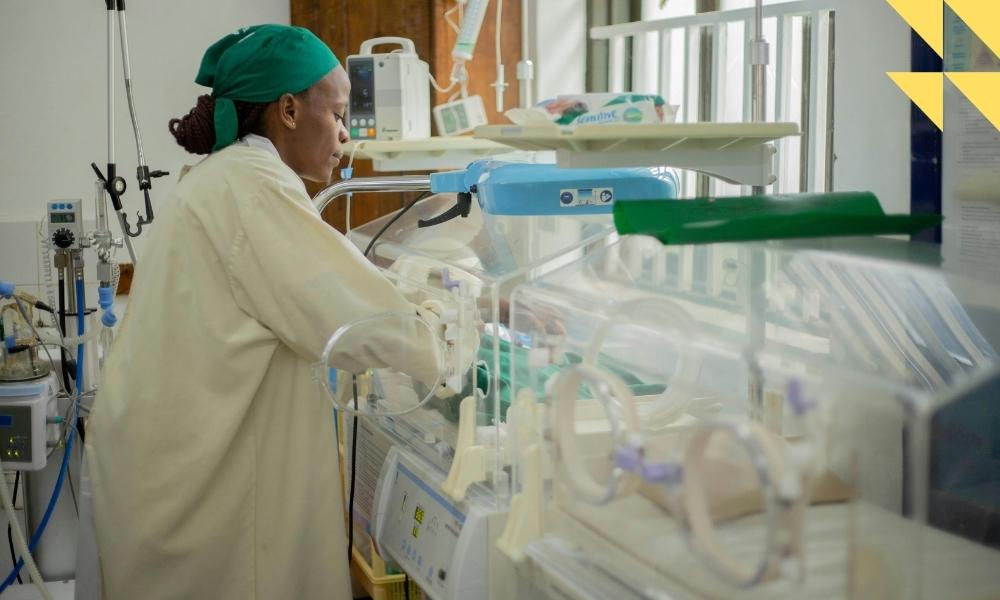
The most important and time-sensitive treatment for birth asphyxia resulting in HIE is therapeutic hypothermia, also called cooling therapy. This treatment involves lowering the baby’s core body temperature to slow the cascade of cellular damage that occurs in the hours following oxygen deprivation. Therapeutic hypothermia must be initiated within six hours of birth to be effective, making early diagnosis and prompt transfer to an appropriate NICU critical to the baby’s outcome.
Cooling therapy does not reverse damage that has already occurred, but it can reduce the extent of additional injury during the secondary phase of cell death that follows the initial hypoxic event. It is currently the standard of care for moderate to severe HIE and represents one of the most important necessary medical interventions available to affected newborns.
How To Prevent Birth Asphyxia
The importance of early diagnosis and timely intervention cannot be overstated. A delayed diagnosis, a delayed transfer, or a failure to recognize that a baby meets the criteria for cooling therapy can mean the difference between a child who recovers with limited impairment and one who sustains severe and permanent neurological damage.
Proper Fetal Monitoring
Continuous electronic fetal monitoring during labor exists precisely to detect the warning signs of oxygen deprivation before they progress to irreversible harm. Medical professionals who fail to correctly interpret fetal monitoring data, or who do not respond appropriately to abnormal tracings, deprive the care team of the opportunity to intervene before the baby’s brain is seriously injured.
Timely Medical Intervention
When warning signs of fetal distress appear, the care team must act without hesitation. Necessary medical interventions, including emergency cesarean section, operative delivery, or intrauterine resuscitation measures, must be executed within accepted timeframes to protect the baby’s health. Delays attributable to inadequate monitoring, poor communication among medical staff, or failure to recognize the urgency of the situation represent failures that may give rise to a medical malpractice claim.
Post-Birth Care
Appropriate post-birth care, including prompt evaluation of every newborn’s condition and rapid escalation to NICU care when indicated, is the final layer of protection against preventable neurological injury. Failures at this stage can compound the harm already caused during labor.
When Does Birth Asphyxia Become Medical Malpractice?
Birth asphyxia does not always result from negligence; some cases occur despite appropriate and timely care. However, medical negligence occurs in a significant number of birth asphyxia cases, and identifying that negligence is the first step toward justice for affected families. Common bases for medical malpractice claims in birth asphyxia cases include:
- Failure to recognize fetal distress from abnormal heart rate patterns on the fetal monitor
- Delayed emergency C-section after signs of serious fetal compromise were documented
- Failure to properly monitor the mother and baby throughout labor
- Delayed treatment after delivery, including failure to initiate cooling therapy in time
- Failure to respond to known risk factors for birth asphyxia identified during prenatal care
- Inadequate communication among medical staff leads to a delayed response during a rapidly evolving emergency
Healthcare facilities and the individual providers within them share responsibility for ensuring that every laboring patient and their baby receive the standard of care the situation demands. When they fall short, families have the right to seek accountability.
Birth Injuries Associated With Birth Asphyxia
In some birth asphyxia cases, an injured child may recover with limited complications. In others, the damage can permanently affect the child’s life, resulting in lifelong medical, educational, and caregiving needs.
One of the most well-known injuries associated with birth asphyxia is hypoxic-ischemic encephalopathy (HIE), which is caused by inadequate oxygen and blood flow to the brain. HIE can lead to permanent neurological impairment, cognitive difficulties, and motor dysfunction. Families seeking answers about whether medical negligence contributed to their child’s brain injury should consult a hypoxic-ischemic encephalopathy lawyer to investigate the circumstances surrounding the birth and determine whether the injury could have been prevented.
Birth asphyxia is also a leading cause of cerebral palsy, a group of disorders affecting movement, muscle coordination, and posture. Depending on the extent of the brain damage, cerebral palsy may affect a child’s ability to walk, speak, perform daily activities, or live independently. A Houston, TX cerebral palsy attorney like Adam Funk can help families evaluate whether delays in diagnosis, monitoring failures, or other medical errors contributed to the condition.
Children who suffer oxygen deprivation at birth may also develop seizure disorders due to damage within the brain. Seizures may appear shortly after birth or emerge later in childhood as neurological complications progress.
Although oxygen deprivation is the primary concern in birth asphyxia cases, some deliveries also involve significant physical trauma caused by difficult labor, delayed delivery, or improper use of delivery instruments. When these injuries occur alongside oxygen deprivation, the resulting harm can be even more severe. A knowledgeable Houston birth injury lawyer can help families investigate the full extent of their child’s injuries and pursue compensation for the medical care and support their child may need in the future.
Birth Asphyxia Wrongful Death Claims
In the most severe and tragic cases, birth asphyxia can result in the death of a newborn when prolonged oxygen deprivation causes catastrophic damage to the brain, heart, or other vital organs. Families who lose a child due to preventable birth asphyxia may have the right to pursue a wrongful death claim. A Houston wrongful death lawyer at Funk Law Group can help parents understand the legal process, investigate the circumstances surrounding the birth, and determine whether medical negligence contributed to their child’s passing.

What are the Complications of Birth Asphyxia?
Children who survive birth asphyxia with neurological injury often face a lifetime of challenges, including:
- Physical disabilities requiring adaptive equipment and personal care
- Learning difficulties and the need for specialized education and individualized support
- Speech and language impairments requiring ongoing therapy
- Behavioral challenges and developmental delays that affect social development and family life
- Continuous need for physical therapy, occupational therapy, and other rehabilitation services, leading to compounding medical expenses
- Reduced independence later in life, with implications for the child’s future earning capacity and quality of life
Both the child and their entire family are affected by these outcomes in ways that extend far beyond the immediate medical crisis. The emotional distress, physical pain and suffering, financial strain, and daily caregiving demands placed on families are part of the full picture of harm that deserves to be reflected in any legal claim.
Who Can Be Held Liable for Birth Asphyxia Injuries?
Depending on the circumstances of the delivery, multiple parties may bear responsibility for a child’s birth injury. This includes obstetricians who failed to recognize fetal distress or act within appropriate timeframes, labor and delivery nurses whose inadequate monitoring allowed warning signs to go unaddressed, and neonatologists who delayed or failed to initiate appropriate post-birth treatment. Additional liable parties may include hospitals and medical facilities whose staffing, equipment, or policies contributed to the failure of care and emergency medical personnel involved in transport or immediate post-delivery care.
Any healthcare provider involved in the labor and delivery process may bear some responsibility, and identifying all such parties is essential to ensuring that families receive the full compensation they are entitled to.
How Birth Injury Attorney Adam Funk Investigates Birth Asphyxia Cases
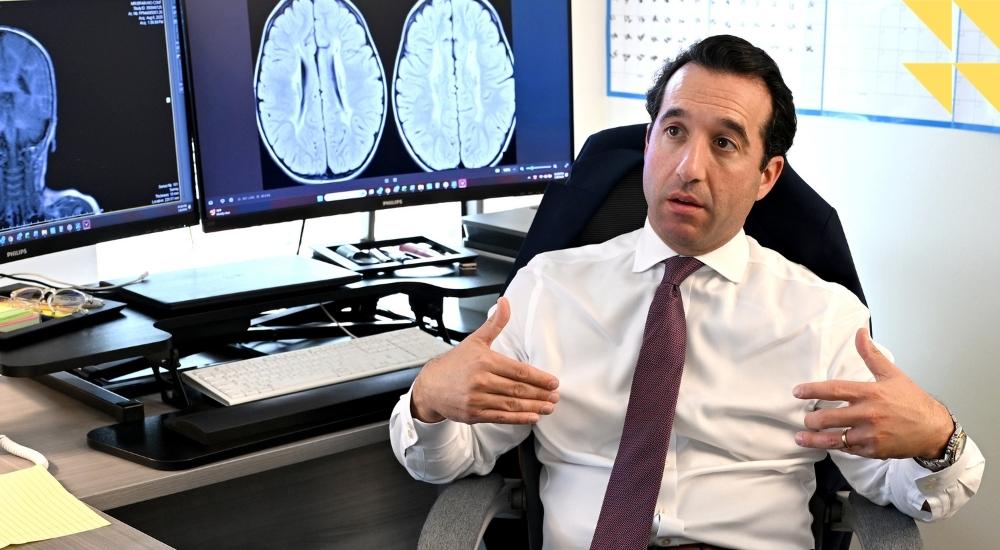
Birth asphyxia cases require a meticulous, evidence-driven investigation conducted by attorneys who understand both the medicine and the law behind these claims. At Funk Law Group, Attorney Adam Funk approaches every case with the rigor it demands. His process includes:
- Reviewing fetal monitoring records in detail to identify abnormal patterns and assess whether the care team’s response was timely and appropriate
- Examining complete labor and delivery records to reconstruct the timeline of care and pinpoint where delays or failures occurred
- Analyzing neonatal treatment records to evaluate whether post-birth care met the standard, including the initiation of cooling therapy
- Consulting obstetrical, neonatal, and neurological experts who can provide authoritative opinions on what the standard of care required and where it was violated
- Identifying all deviations from accepted medical standards and building a clear, causally linked account of how those deviations produced the child’s injury
Why Choose Funk Law Group as Your Birth Asphyxia Attorney in Houston?
Birth asphyxia cases are among the most complex and high-stakes medical malpractice claims in Texas. They demand an attorney with genuine experience handling catastrophic birth injury cases, access to respected medical experts, and the commitment to pursue maximum compensation for every family he represents.
Houston medical malpractice attorney Adam Funk has dedicated his practice to representing victims of serious medical negligence. Families who work with Funk Law Group receive personalized attention directly from Adam and thorough case preparation built on a deep understanding of the medical standards at issue.
Medical bills, ongoing medical care, future earning capacity, lifelong care needs, medical insurance gaps, and the full scope of both the child’s and family’s losses are all factored into the pursuit of maximum recovery.

Contact Our Houston, TX Birth Asphyxia Law Firm for a Free Consultation Today
If your child suffered a brain injury during labor or delivery and you believe medical negligence may have played a role, do not wait to seek answers. Medical records, fetal monitoring strips, and other critical evidence must be preserved as early as possible to protect your family’s legal rights. Houston medical malpractice attorney Adam Funk of Funk Law Group is ready to evaluate your case at no cost and no obligation.
Simply call 346.501.FUNK or submit our online intake form to schedule your free consultation and take the first step toward justice for your child today.