
Neonatal Hypoglycemia
Neonatal Hypoglycemia Lawyer in Houston, TX
Experienced Houston Neonatal Hypoglycemia Attorney Helping Families Pursue Justice forPreventable Birth Injuries
The birth of a child should be a moment of joy and relief. When a newborn is diagnosed with a serious medical condition that was missed, mismanaged, or left untreated by the medical staff responsible for their care, that joy is replaced by fear, confusion, and grief. Neonatal hypoglycemia is one of the more common birth injuries seen in hospitals across the country. When medical providers fail to screen at-risk babies, identify warning signs, or treat low blood sugar levels promptly, the consequences can include permanent brain damage and lifelong disability.
As an experienced birth injury attorney in Houston, Texas, Adam Funk represents families whose newborns suffered serious harm because medical negligence allowed neonatal hypoglycemia to go undetected or untreated. If your child was injured due to delayed diagnosis or improper management of low blood sugar after birth, our legal team is ready to help your family pursue compensation and hold negligent providers accountable.
Contact Funk Law Group today by calling 346.501.FUNK or via our online intake form for a free consultation and case evaluation.









What is Neonatal Hypoglycemia?
Neonatal hypoglycemia occurs when a newborn’s blood sugar falls below the normal range required for healthy organ function in the critical hours and days following birth. Glucose is the brain’s primary fuel source, and newborns, particularly those in high-risk categories, are especially vulnerable to disruptions in glucose regulation during the transition from the womb to the outside world.
In most healthy newborns, blood glucose levels stabilize naturally through feeding and the baby’s own metabolic processes. But in babies born with certain risk factors, the baby’s blood sugar can drop to dangerous levels rapidly and without obvious warning. When blood glucose levels fall too low and remain there, the brain is deprived of the energy it needs to function. Even relatively brief episodes of prolonged low blood sugar can cause damage to developing brain tissue that results in permanent harm.
Neonatal hypoglycemia becomes a medical emergency when glucose levels fall to critically low thresholds, when the baby shows neurological symptoms, or when initial treatment fails to stabilize blood sugar within an acceptable timeframe. In these situations, immediate escalation of care, including NICU admission and intravenous glucose administration, is required. Delays in reaching that level of intervention can have consequences that last a lifetime.
How Common is Neonatal Hypoglycemia?
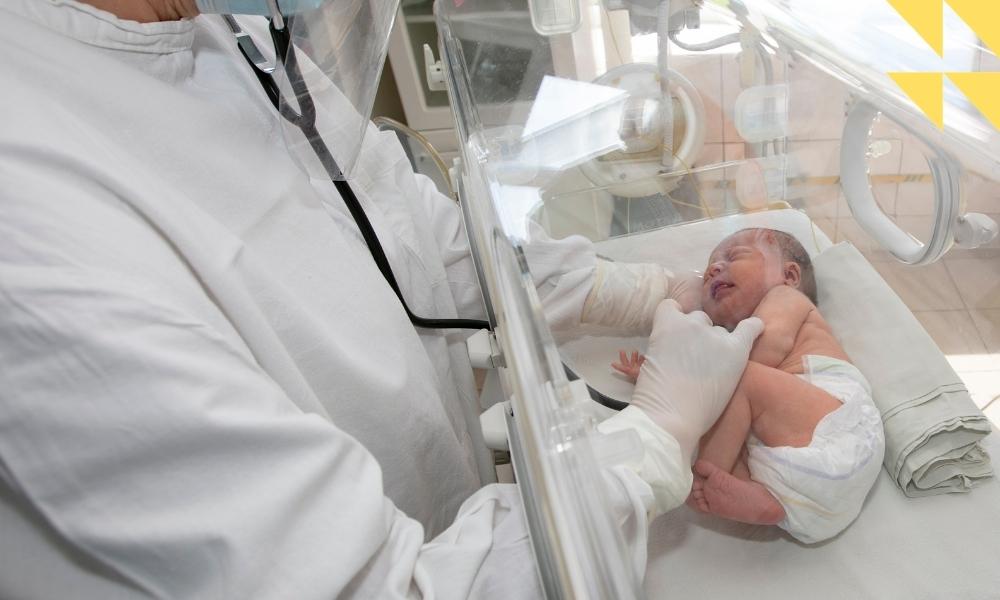
Neonatal hypoglycemia is one of the most frequently encountered metabolic conditions in newborns, affecting an estimated 15 percent of all newborns and a significantly higher proportion of babies born with identified risk factors. Among high-risk populations, including premature babies and infants born to diabetic mothers, rates can be substantially higher.
Because the condition is both common and well-understood, medical providers are expected to know which newborns require close monitoring, how to screen for it effectively, and how to respond when blood glucose levels fall outside the normal range. The existence of well-established clinical guidelines for neonatal hypoglycemia screening means that failures to follow those guidelines are difficult to justify and form the basis of a medical malpractice claim when a child is harmed as a result.
What Causes Neonatal Hypoglycemia?
Neonatal hypoglycemia can develop for several reasons, including maternal health conditions, premature birth, birth complications, and metabolic disorders that affect a newborn baby’s ability to regulate blood sugar levels. Identifying the underlying cause is important because prolonged or untreated hypoglycemia can interfere with normal brain function and increase the risk of serious complications.
Maternal Risk Factors
Several maternal conditions are strongly associated with developing hypoglycemia in the newborn period, including:
- Gestational diabetes and maternal diabetes, which cause the baby to produce excess insulin in response to elevated maternal glucose levels
- Pregnancy complications such as preeclampsia or intrauterine growth restriction, which can affect the baby’s metabolic reserves
- Certain medications during pregnancy, which can cross the placenta and interfere with the newborn’s glucose regulation
Infant Risk Factors
In addition to maternal factors, certain characteristics of the baby itself increase the risk of infant hypoglycemia:
- Premature birth, as premature babies have limited glycogen stores and immature metabolic systems that make glucose regulation more difficult
- Low birth weight, which is associated with reduced nutritional reserves
- Large-for-gestational-age infants, who are often born to diabetic mothers and are at heightened risk due to excess insulin production
- Birth stress and oxygen deprivation, which deplete glucose stores rapidly
- Metabolic and endocrine disorders affecting the newborn’s ability to maintain stable blood glucose levels

Which Medication is Responsible for Neonatal Hypoglycemia?
Several medications administered to mothers during labor and delivery or during pregnancy can contribute to neonatal hypoglycemia. Beta-blockers used to manage blood pressure and heart conditions can suppress the newborn’s ability to regulate glucose. Oral diabetes medications such as sulfonylureas can cross the placenta and stimulate excess insulin production in the baby. Terbutaline, used to manage preterm labor, has also been associated with neonatal glucose instability.
When a mother is taking any of these medications, medical staff are expected to recognize the risk and monitor the newborn’s blood sugar accordingly after birth.
Which Newborns Require Close Monitoring for Hypoglycemia?
Clinical guidelines identify specific categories of newborns who require routine blood glucose screening after birth. These include:
- Infants born to mothers with gestational diabetes or pre-existing diabetes
- Premature babies born before 37 weeks of gestation
- Small-for-gestational-age babies whose growth was restricted in the womb
- Large-for-gestational-age babies, particularly those whose size suggests maternal glucose dysregulation
- Babies who experienced difficult deliveries involving significant birth stress or oxygen deprivation
- Newborns showing any early signs of glucose instability, including subtle symptoms like jitteriness, poor feeding, or low body temperature
Failure to identify a newborn as falling into one or more of these categories (and to initiate appropriate blood glucose screening) is a recognized form of medical negligence in birth injury cases.
Signs of Neonatal Hypoglycemia
The signs of neonatal hypoglycemia can range from subtle feeding and behavioral changes to more serious neurological symptoms, making prompt recognition and evaluation important for protecting a newborn’s health.
Early Neonatal Hypoglycemia Symptoms
The early symptoms of neonatal hypoglycemia can be subtle and easily attributed to other causes, which is why routine screening of at-risk infants is so important. Early warning signs include:
- Poor feeding or weak suckling reflex
- Jitteriness or tremors
- Irritability or high-pitched crying
- Weak cry
- Difficulty maintaining body temperature, presenting as low body temperature and pale skin
- Limpness or poor muscle tone
Severe Neonatal Hypoglycemia Symptoms
When low blood sugar levels are not recognized and treated immediately, the baby’s condition can deteriorate rapidly. Severe symptoms of untreated neonatal hypoglycemia include:
- Seizures
- Breathing difficulties and apnea
- Loss of consciousness or unresponsiveness
- Progressive neurological impairment
- Coma
- In the most extreme cases, heart failure
The transition from subtle early signs to life-threatening neurological deterioration can occur quickly. This is why the standard of care places such a strong emphasis on proactive screening and rapid response in at-risk newborns.
How Long Does Neonatal Hypoglycemia Last?
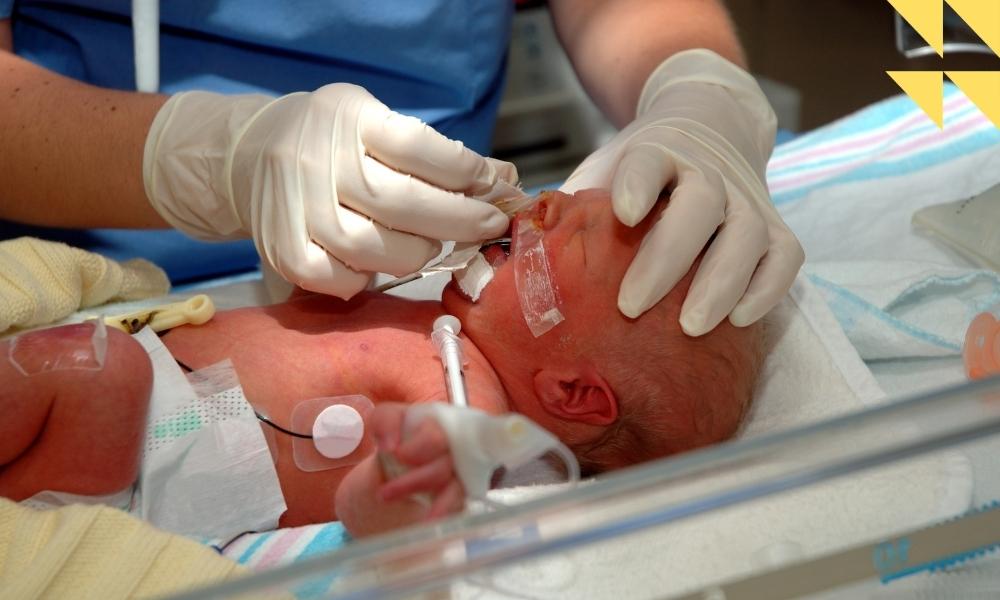
For most newborns, hypoglycemia resolves within the first 24 to 48 hours of life as feeding is established and the baby’s metabolic systems stabilize. In higher-risk infants or those with underlying metabolic conditions, close monitoring of blood glucose levels may be required for several days. The response to treatment is typically tracked through repeated heel stick testing, which measures blood glucose levels from a small blood sample taken from the baby’s heel. If glucose levels do not normalize with initial treatment, escalation of care is necessary.
How is Neonatal Hypoglycemia Treated?
The appropriate treatment for neonatal hypoglycemia depends on the severity of the condition and the baby’s response to initial intervention. Treatment approaches include:
- Supplemental feeding, either through breastfeeding or formula feeding, for mild cases in babies who are feeding effectively
- Oral glucose gel, which can be administered to raise blood sugar levels rapidly in mild to moderate cases
- Intravenous glucose administration is required when blood glucose levels are critically low, when the baby cannot feed effectively, or when initial feeding interventions fail to normalize glucose levels
- NICU care for babies with severe or persistent hypoglycemia who require continuous glucose monitoring and specialized neonatal support
The choice and timing of treatment are critical. A baby who should be receiving intravenous glucose but is instead managed with supplemental feeding alone or a baby whose NICU referral is delayed may experience continued glucose deprivation during that window, increasing the risk of permanent brain damage.
Why Prompt Diagnosis and Treatment Are Critical
A newborn baby’s brain development is uniquely dependent on glucose. Unlike adult brains, which can draw on alternative fuel sources to some degree, the newborn brain has a limited ability to compensate for low blood sugar. When blood glucose levels fall too low for too long, brain cells begin to sustain damage that may not be reversible.
The relationship between untreated neonatal hypoglycemia and permanent neurological injury is well-established in medical literature. Prolonged low blood sugar is associated with hypoxic-ischemic encephalopathy, cerebral palsy, developmental delays, and cognitive impairments — outcomes that alter the entire trajectory of a child’s life.
Treated promptly and appropriately, many cases of neonatal hypoglycemia resolve without lasting consequences. Left untreated, however, even moderate hypoglycemia can cause permanent harm that no amount of subsequent medical care can fully undo.
How Doctors Should Diagnose Neonatal Hypoglycemia
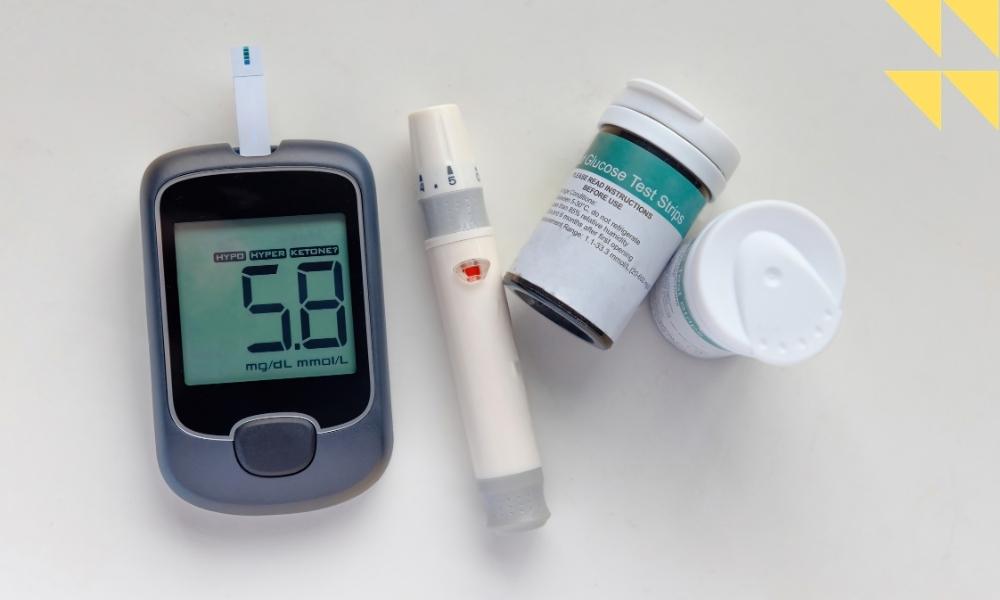
Diagnosing neonatal hypoglycemia begins before the baby ever shows symptoms. The standard of care requires medical providers to:
- Identify at-risk newborns based on maternal history, delivery circumstances, and infant characteristics at the time of birth
- Initiate routine blood glucose screening through heel stick blood tests within the first one to two hours of life for all babies in recognized high-risk categories
- Perform confirmatory testing through blood tests when initial screening values are abnormal or borderline
- Repeat glucose testing at regular intervals based on the baby’s risk level and clinical response to feeding
- Escalate care without delay when blood glucose levels remain outside the normal range or when the baby shows any symptoms consistent with hypoglycemia
When Does Neonatal Hypoglycemia Become Medical Malpractice?
Medical malpractice in the context of neonatal hypoglycemia occurs when a healthcare provider’s failure to meet the accepted standard of care causes or contributes to a baby’s injury.
A provider who fails to screen a high-risk newborn, dismisses abnormal glucose readings without adequate follow-up, or delays treatment while waiting to see if the baby improves on its own may be departing from the accepted standard of care in a way that exposes the child to preventable harm.
Other common failures seen in medical malpractice lawsuits involving neonatal hypoglycemia include:
- Failure to perform timely glucose testing within the appropriate window after birth
- Delayed diagnosis due to inadequate interpretation of blood test results or failure to recognize early symptoms
- Delayed NICU referral for babies who clearly require a higher level of care
- Breakdowns in communication between obstetric providers and neonatal staff, including the failure to document and relay critical information about the baby’s risk factors
- Inadequate follow-up care after initial stabilization, allowing blood sugar to fall again without detection
Each of these failures can be the difference between a child who recovers fully and one who sustains permanent disabilities affecting every aspect of their life.
Birth Injuries and Complications Caused by Neonatal Hypoglycemia
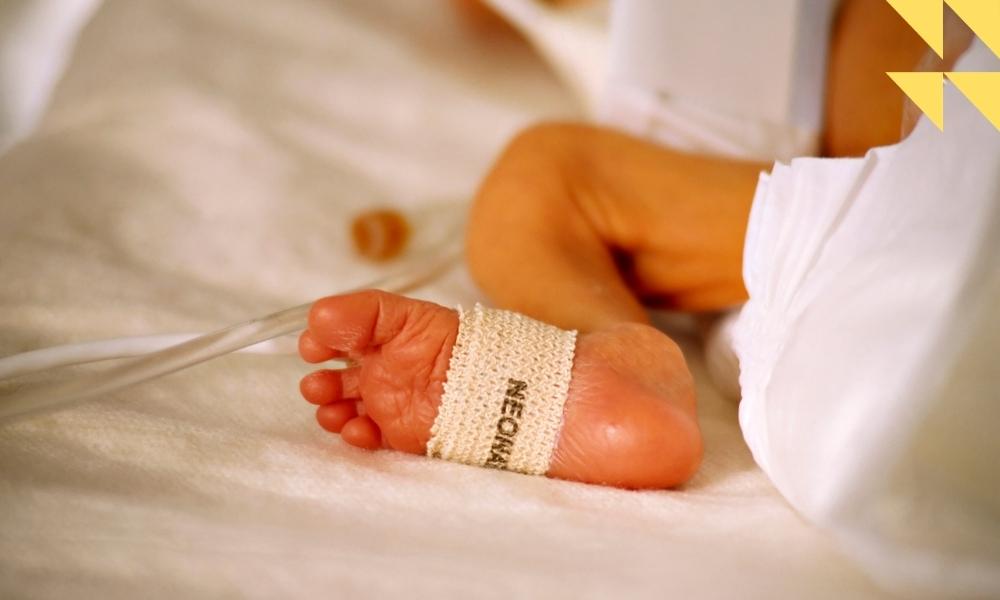
When neonatal hypoglycemia is not diagnosed and treated promptly, a newborn may suffer a serious brain injury due to prolonged glucose deprivation. Because the brain depends on a steady supply of glucose to function properly, low blood sugar levels can damage brain tissue and lead to lifelong physical, cognitive, and developmental impairments.
Hypoxic-Ischemic Brain Injury
Severe or prolonged neonatal hypoglycemia can contribute to hypoxic-ischemic brain injury by depriving brain cells of the energy they need to survive and function. In some cases, these injuries occur alongside oxygen deprivation during labor or delivery, increasing the risk of permanent neurological damage. A hypoxic-ischemic brain injury attorney in Houston can help families investigate whether failures in monitoring, testing, or treatment contributed to a preventable brain injury.
Developmental Delays
Children who experience neonatal hypoglycemia may develop delays in reaching important developmental milestones. These delays can affect speech and language development, motor skills, social interactions, and other areas of childhood growth. The severity of developmental challenges often depends on how long the hypoglycemia went untreated and the extent of any resulting brain damage.
Cognitive Impairments & Learning Disabilities
Brain injuries caused by neonatal hypoglycemia can affect a child’s ability to process information, concentrate, solve problems, and retain new knowledge. As children grow older, these impairments may become apparent through learning disabilities, memory deficits, attention difficulties, and academic struggles that require ongoing educational support.
Seizure Disorders
Low blood sugar can disrupt normal brain activity and trigger seizures in newborns. In some cases, neonatal seizures are temporary and resolve once glucose levels stabilize. However, severe hypoglycemic brain injuries can lead to chronic seizure disorders that require long-term medical management and monitoring.
Cerebral Palsy
Damage to the developing brain caused by untreated neonatal hypoglycemia may increase the risk of cerebral palsy. Children with cerebral palsy may experience difficulties with movement, muscle control, balance, posture, and coordination throughout their lives. A skilled Houston cerebral palsy injury lawyer like Adam Funk can help families determine whether negligent medical care contributed to the brain damage that caused their child’s condition.

What are the Long-Term Effects of Untreated Neonatal Hypoglycemia?
For families whose children suffered permanent harm from untreated neonatal hypoglycemia, the long-term effects extend far beyond the neonatal period. Families may face:
- Physical limitations requiring adaptive equipment, mobility support, or personal care assistance
- Developmental challenges requiring early intervention and ongoing therapy
- Special education needs and individualized educational programming throughout childhood and into adulthood
- Ongoing medical treatment, including neurology, physical therapy, occupational therapy, and psychiatric care
- Diminished future independence and lost earning potential for the child
- Substantial emotional and financial burden on parents and caregivers throughout the child’s life
These are not abstract losses. They are real, measurable, and they deserve full and fair compensation from the parties whose negligence caused them.
Can You Sue For Neonatal Hypoglycemia Birth Injuries?
Yes. Families whose children suffered brain damage or other serious harm due to a failure to diagnose or treat neonatal hypoglycemia may have a viable medical malpractice claim under Texas law. To succeed in these cases, it must be established that the medical provider 1) owed a duty of care to the baby, 2) breached that duty by departing from the accepted standard of care, 3) that the breach caused the baby’s injury, and 4) that the injury resulted in quantifiable damages.
Potentially liable parties in neonatal hypoglycemia cases include:
- Obstetricians
- Neonatologists
- Pediatricians
- Labor and delivery nurses
- Hospitals and medical facilities
- Other healthcare professionals
These cases are complex and require thorough investigation of prenatal records, delivery documentation, and neonatal care records, as well as analysis from medical experts. Texas law also requires compliance with specific procedural rules governing medical malpractice lawsuits, making it essential to work with an experienced Houston medical malpractice law firm from the outset.

How Birth Injury Lawyer Adam Funk Helps Families With Neonatal Hypoglycemia Cases
At Funk Law Group, Attorney Adam Funk investigates neonatal hypoglycemia claims with the level of scrutiny these cases demand. He carefully reviews prenatal, labor, delivery, and newborn medical records to identify risk factors that should have prompted glucose screening and to understand the circumstances surrounding the birth. He and his team analyze blood glucose test results, the timing of those tests, and medical providers’ responses to abnormal results to determine whether appropriate care was provided. They also examine NICU and newborn treatment records to evaluate post-birth monitoring and intervention efforts.
By consulting qualified neonatal and pediatric experts, Adam identifies departures from accepted medical standards and establishes how those failures contributed to a child’s injuries. As a dedicated birth injury lawyer, he helps families understand their legal options and pursue compensation for ongoing medical expenses and other losses associated with the harm caused by negligent medical professionals.

Contact a Houston Neonatal Hypoglycemia Lawyer at Funk Law Group For a Free Consultation Today
If your newborn suffered brain damage, developmental injuries, or other serious harm because medical providers failed to screen for, diagnose, or treat low blood sugar after birth, your family deserves answers. The medical records from your baby’s delivery and neonatal care contain critical evidence, and the sooner that evidence is preserved and reviewed, the stronger your case will be.
Adam Funk at Funk Law Group offers free consultations to families navigating the aftermath of a preventable birth injury. There is no fee unless compensation is recovered on your behalf.
Call 346.501.FUNK today or complete our online contact form to speak with an experienced birth injury attorney who is ready to fight for your child.