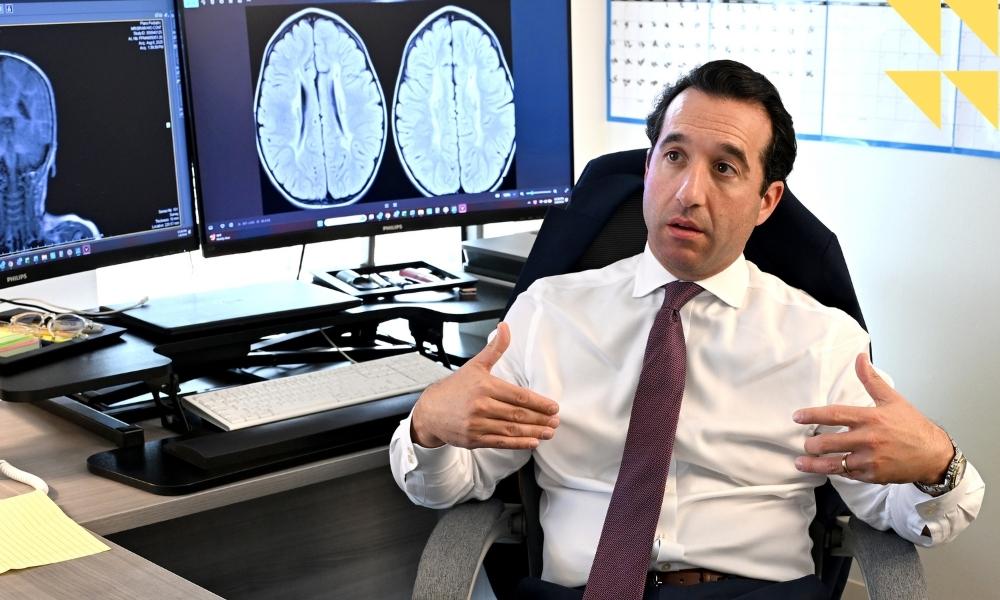
What is Wernicke-Korsakoff Syndrome?
Wernicke-Korsakoff Syndrome (WKS) is a serious brain disorder that actually encompasses two related but distinct neurological conditions: Wernicke encephalopathy and Korsakoff syndrome. Together, they represent a progressive neurological disorder caused by a severe deficiency in thiamine, also known as Vitamin B1, a nutrient essential to normal brain function.
Thiamine is absorbed through the liver and gastrointestinal tract and plays a critical role in how the brain metabolizes glucose for energy. When thiamine levels fall dangerously low, brain cells begin to sustain damage rapidly. Without immediate treatment, this damage can become irreversible.
What makes Wernicke-Korsakoff Syndrome particularly tragic from a medical and legal standpoint is that it is largely preventable. Early diagnosis and prompt administration of thiamine supplements can halt the progression of the disease and, in many cases, reverse its acute symptoms. When medical professionals fail to recognize the signs and intervene in time, or when their negligence results in having Wernicke-Korsakoff syndrome misdiagnosed, patients can suffer permanent brain damage, cognitive impairment, and a dramatically diminished quality of life.
Understanding the Two Stages of Wernicke-Korsakoff Syndrome
Wernicke-Korsakoff Syndrome is generally viewed as a progression of two related neurological conditions. Understanding these two stages is important because early diagnosis and treatment during the initial phase may help prevent the severe and often permanent cognitive impairments associated with the later stage of the disorder.
Wernicke Encephalopathy
Acute Wernicke encephalopathy is the early-stage neurological condition that develops when the brain is deprived of adequate thiamine levels. Also called Wernicke syndrome or Wernicke’s disease, this condition represents a medical emergency. The early symptoms of Wernicke’s encephalopathy include a classic triad of findings that trained physicians should recognize. This includes:
- Abnormal eye movements, including involuntary movement, paralysis, or drooping of the eyelids
- Loss of muscle coordination and balance (ataxia), causing unsteady gait or inability to walk
- Acute confusion and disorientation, sometimes mistaken for intoxication or psychiatric illness
Not all patients present with all three symptoms, which is one reason Wernicke-Korsakoff Syndrome goes misdiagnosed in many cases. However, the presence of even one or two of these specific symptoms in a patient with known thiamine (vitamin B1) deficiency risk factors should prompt a physician to initiate treatment immediately.
Korsakoff Syndrome
When Wernicke encephalopathy is left untreated or is inadequately treated, the acute phase can transition into Korsakoff syndrome: a chronic, often permanent neurological disorder. This condition is sometimes called Korsakoff’s psychosis, though it is not a psychiatric illness in the traditional sense. Its hallmark features include severe memory impairment, an inability to form new memories, confabulation (fabricating memories without awareness of doing so), and significant cognitive deficits.
Once Korsakoff syndrome is fully established, the prognosis is poor. Many patients require long-term or permanent care. Early intervention during the Wernicke encephalopathy phase is the only meaningful opportunity to prevent this outcome.
Common Causes of Wernicke-Korsakoff Syndrome
While excessive alcohol consumption is the most widely known cause of thiamine deficiency and is strongly associated with WKS, it is far from the only one. Medical professionals caring for any of the following categories of patients should be alert to thiamine deficiency risk:
- Chronic alcohol use disorder, which impairs the absorption and storage of thiamine
- Malnutrition and prolonged poor dietary intake, including in ill patients who have gone extended periods without eating
- Bariatric surgery complications, where altered digestion affects nutrient absorption through the liver and gastrointestinal tract
- Cancer treatment complications, particularly in patients receiving chemotherapy who experience prolonged vomiting or severe nausea
- Gastrointestinal disorders that impair absorption, such as Crohn’s disease or chronic diarrhea
- Liver disorders, often caused by alcoholism, including cirrhosis, hepatitis, and fatty liver disease
- Severe eating disorders, including anorexia nervosa
- Prolonged intravenous feeding without thiamine supplementation, a preventable hospital error
- Pregnancy, particularly in cases involving hyperemesis gravidarum (a condition that causes severe nausea and prolonged vomiting in pregnant women and can rapidly deplete thiamine stores)
Physicians must be trained to consider thiamine deficiency in any patient presenting with neurological symptoms and one or more of these risk factors, regardless of whether alcohol use is involved. Failure to do so can result in delayed diagnosis and permanent damage to the brain, or worse.
Symptoms of Wernicke-Korsakoff Syndrome
Recognizing the symptoms of Wernicke’s encephalopathy in a clinical setting is a foundational responsibility for emergency physicians, hospitalists, and other treating providers. The symptoms of Wernicke-Korsakoff Syndrome span both physical and cognitive domains.
Physical symptoms include:
- Abnormal eye movements, including nystagmus and ophthalmoplegia
- Loss of coordination and balance
- Muscle weakness
- Severe nausea and prolonged vomiting
- Difficulty walking or standing
Cognitive and behavioral symptoms include:
- Acute confusion and disorientation
- Inability to form new memories
- Memory gaps and confabulation
- Personality changes and emotional instability
- Impaired judgment and reasoning
In a pregnant patient experiencing hyperemesis gravidarum, these neurological symptoms may be dismissed as side effects of pregnancy or dehydration. In patients with known alcohol use, doctors may attribute acute confusion to intoxication rather than recognizing the acute symptoms of Wernicke encephalopathy. These diagnostic failures can cost patients their cognitive function and, in some cases, their lives.
How is Wernicke-Korsakoff Syndrome Diagnosed?
One critical aspect of WKS malpractice cases is that proper diagnosis is not complicated. A thorough patient history, including known risk factors, is the first step. From there, a physician should conduct a neurological examination and assess the patient for the classic triad of Wernicke symptoms. Thiamine levels can be measured through a simple blood test, and an additional workup may include brain imaging studies and evaluation of related nutritional deficiencies.
Most importantly, when a physician suspects acute Wernicke encephalopathy, the standard of care requires that intravenous supplements of thiamine be administered immediately — before waiting for confirmatory test results. The window for effective intervention is narrow, and the consequences of delayed treatment are severe. A physician who waits for test results before treating a clinically apparent case of WKS may be departing from acceptable medical practice.
Experienced Wernicke-Korsakoff lawyers know that a key question in these cases is whether the treating provider gathered vital patient information, assessed the relevant risk factors, and acted in accordance with established clinical guidelines. When the answer is no, the provider may be liable for the harm that followed.
When Does a Missed Diagnosis Become Medical Malpractice?
In Texas, medical malpractice occurs when a healthcare provider fails to meet the standard of care that a reasonably competent provider in the same specialty would have met under similar circumstances, and that failure causes harm to the patient. In the context of Wernicke-Korsakoff Syndrome, medical negligence may include:
- Failure to recognize symptoms of Wernicke’s encephalopathy in a patient with known risk factors
- Failure to order appropriate testing, including blood tests to check thiamine levels
- Delayed treatment after symptoms were present and documented
- Failure to administer thiamine intravenous supplements when clinically indicated
- Failure to monitor patients at high risk of thiamine deficiency during hospitalization
- Misdiagnosing Wernicke encephalopathy as alcohol intoxication, psychiatric illness, or another condition
When Wernicke-Korsakoff Syndrome is misdiagnosed or treatment is delayed, patients may develop Korsakoff syndrome with permanent brain damage that could have been avoided. In the most tragic cases, delayed treatment can result in wrongful death. These are serious, complex medical malpractice cases that require a Houston brain injury attorney with deep experience in neurological injury claims.
Common Medical Errors That Lead to Wernicke-Korsakoff Syndrome
Wernicke-Korsakoff Syndrome is frequently preventable when healthcare providers identify risk factors, recognize symptoms, and administer appropriate treatment in a timely manner. Unfortunately, errors in diagnosis, monitoring, and treatment can allow a vitamin B1 deficiency to progress, resulting in serious neurological damage and long-term complications.
Emergency Room Errors
Emergency departments see patients with Wernicke-Korsakoff Syndrome more than many providers realize. Unfortunately, the acute symptoms of WKS (confusion, unsteady gait, abnormal eye movements) are frequently attributed to intoxication or mental illness rather than being recognized as a medical emergency. ER physicians who fail to obtain a complete history, assess for thiamine deficiency risk, or administer thiamine to at-risk patients may be liable for the resulting harm.
Hospital Negligence
Patients already admitted to a hospital who are not receiving adequate nutrition are at significant risk of developing Wernicke-Korsakoff Syndrome. Physicians and nursing staff have a duty to monitor patients for signs of nutritional deficiency and to ensure that patients on IV fluids receive adequate thiamine supplementation. Failure to follow established protocols in this setting represents a serious breach of the standard of care.
Surgical and Post-Operative Errors
Bariatric surgery patients are at elevated thiamine deficiency risk due to reduced absorption. Surgeons and post-operative care teams who fail to monitor patients’ nutritional status or prescribe appropriate thiamine supplements following surgery may bear responsibility if the patient later develops Wernicke-Korsakoff Syndrome.
Nursing Home and Long-Term Care Negligence
Elderly and chronically ill patients in nursing homes and long-term care facilities are especially vulnerable. Malnutrition is a known risk in these settings, and failure to recognize neurological decline or ensure adequate nutrition can cause patients to develop Wernicke-Korsakoff Syndrome that might have been easily prevented.
Who May Be Liable for Wernicke-Korsakoff Syndrome Injuries?
A Wernicke-Korsakoff lawsuit may name multiple parties depending on where and how the negligence occurred. Identifying all responsible parties is an important part of building a strong case and ensuring that victims can seek full compensation for their losses. Potentially liable parties include:
- Attending physicians and specialists
- Emergency room physicians
- Hospital systems and facilities
- Nurses and nursing staff
- Surgical teams
- Long-term care facilities and nursing homes
- Other healthcare providers involved in the patient’s care
Texas law places specific requirements on medical malpractice cases, including mandatory expert reports early in the litigation process. Working with experienced Wernicke-Korsakoff lawyers who understand these procedural rules and what it takes to identify and hold the responsible parties accountable is essential to protecting your rights and your legal claim.
The Long-Term Consequences of Wernicke-Korsakoff Syndrome
The long-term impact on patients who develop Wernicke-Korsakoff Syndrome due to medical negligence can be devastating and lifelong. Many patients are left with chronic, severe memory impairment with no ability to form new memories and a significant loss of independence, requiring full-time supervision or care. Ongoing medical costs and the need for continued treatment, combined with the inability to return to work and lost earning capacity, typically result in a severe financial burden for victims and their families. Not only that, but patients often experience profound emotional and psychological effects, placing a substantial burden on family members and caregivers.
These losses deserve to be fully accounted for in any legal claim. An experienced medical malpractice lawyer can help ensure that injury victims and their families receive the compensation they need to cover medical costs, support their long-term care, and hold negligent providers accountable.
Compensation Available in a Houston Wernicke-Korsakoff Syndrome Lawsuit
Those who pursue a Wernicke-Korsakoff lawsuit in Texas may be entitled to compensation for a broad range of losses, including but not limited to:
- Past and future medical costs, including hospitalization, rehabilitation, and long-term care
- Lost wages and diminished earning capacity
- Pain and suffering, including the emotional toll of permanent neurological damage
- Loss of enjoyment of life
- Caregiver and home care expenses
If your loved one died as a result of delayed or negligent treatment, a Houston wrongful death attorney at Funk Law Group can also pursue justice and compensation for your family’s loss.
Do You Need a Lawyer for Wernicke-Korsakoff Syndrome Malpractice Claims?
Navigating a Wernicke-Korsakoff syndrome malpractice claim without legal representation puts you at a serious disadvantage. These are highly technical cases that require a thorough understanding of neurological medicine, the ability to retain and work with qualified medical experts, and knowledge of Texas’s strict procedural requirements for medical malpractice litigation. An experienced Wernicke-Korsakoff syndrome lawyer can evaluate whether the standard of care was breached, build a compelling case for compensation, and handle every aspect of the legal process on your behalf.
Without skilled legal representation, critical deadlines can be missed, evidence can go unpreserved, and insurance companies may use the complexity of these cases against you.
How Wernicke-Korsakoff Attorney Adam Funk Investigates These Cases
At Funk Law Group, Adam Funk and his legal team handle every case with the detailed attention it deserves. This process includes:
- Reviewing all medical records to understand the full timeline of care and identify where the standard of care was breached
- Consulting qualified medical experts, including neurologists and specialists, who can speak to what proper care should have looked like
- Identifying deviations from the standard of care that caused or contributed to the patient’s injury
- Establishing causation and damages with clarity, connecting the provider’s negligence directly to the patient’s permanent harm
- Building a compelling claim supported by evidence, expert opinions, and a thorough understanding of the medical science involved
No two cases are the same, and Adam’s approach is always personalized to the unique facts of each client’s situation.
Why Choose Funk Law Group for Your Wernicke-Korsakoff Syndrome Case?
Wernicke-Korsakoff Syndrome cases are among the most technically demanding in medical malpractice law. They require a lawyer who understands not just the legal elements of a negligence claim, but also the underlying neuroscience, the clinical standards physicians are expected to meet, and the devastating real-world impact these injuries have on families.
Adam Funk brings extensive experience handling catastrophic injury, medical malpractice, and birth injury cases in Houston and throughout Texas. He is committed to personalized representation — clients always work directly with him, never handed off to junior staff — and to thorough case preparation that leaves nothing to chance.
If you are searching for an experienced Wernicke-Korsakoff Syndrome lawyer in Houston, Adam Funk and the Funk Law Group are ready to stand by your side.