
Fetal Distress
Houston Fetal Distress Attorney
Experienced & Compassionate Fetal Distress Lawyer Representing Injured Children and Families in the Houston Metro Area
Fetal distress may signal that a baby is not receiving enough oxygen during pregnancy, labor, or delivery: a warning sign that demands immediate attention from the medical team. Doctors and nurses have a responsibility to recognize abnormal warning signs, such as an irregular fetal heart rate or other troubling symptoms, and to respond promptly to protect both the child and the mother. When medical staff fails to act quickly, delayed treatment may lead to brain damage, cerebral palsy, developmental disabilities, or worse.
At Funk Law Group, Houston birth injury attorney Adam Funk is dedicated to representing children and families throughout Houston, TX, and the surrounding communities who have suffered a preventable birth injury connected to fetal distress. If your baby suffered a serious injury because medical providers failed to recognize or respond to signs of fetal distress, contact Funk Law Group by calling 346.501.FUNK or by reaching out online for a free consultation today.
Birth Injury - Choosing the Best Attorney










What is Fetal Distress?
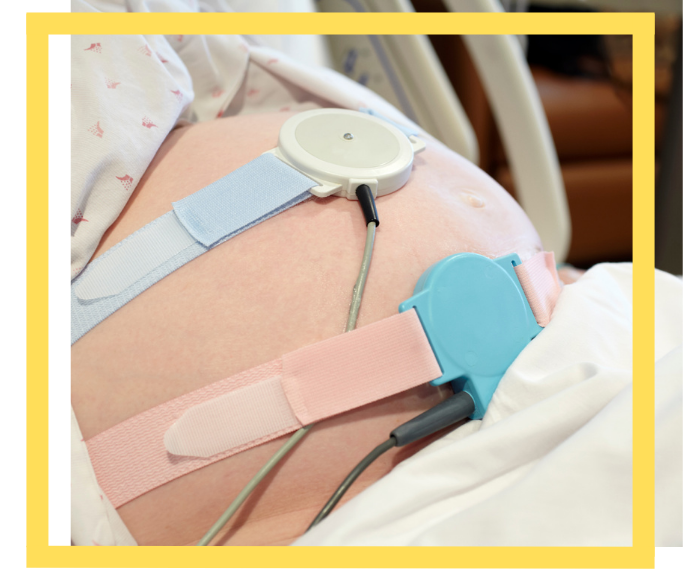
Fetal distress is a term healthcare providers may use to describe signs that a baby is not tolerating labor well, often indicating that the baby is not receiving an adequate oxygen supply. The term is most commonly associated with abnormal fetal heart rate patterns, since a baby’s heart rate is one of the most reliable indicators available to medical staff during labor. When monitoring reveals patterns suggesting the baby’s oxygen supply may be compromised, medical providers are expected to investigate further and respond accordingly.
It is important to understand that not all birth injuries result from medical malpractice, and fetal distress itself does not always cause permanent injury. Many babies who show temporary signs of distress during labor are born without lasting harm, particularly when medical providers recognize the warning signs and respond appropriately. However, when healthcare providers fail to take these warning signs seriously, or fail to act within the narrow window available to prevent injury, the consequences for the child can be severe and permanent.
Common Signs of Fetal Distress
Medical staff rely on several indicators to identify a baby in distress during pregnancy or labor, including:
- Abnormal fetal heart rate
- Reduced fetal movement
- Late or prolonged heart rate decelerations
- Meconium in the amniotic fluid, which may indicate meconium aspiration syndrome
- Low fetal oxygen levels
- Abnormal results from prenatal testing
- Maternal bleeding
- Umbilical cord complications
- Signs that labor has stopped progressing normally

Common Causes of Fetal Distress
Fetal distress can develop for many different reasons during pregnancy, labor, and delivery, and identifying the underlying cause is often central to understanding whether a baby’s injury could have been prevented. As an experienced Houston birth injury lawyer, Adam Funk regularly investigates cases involving the following common causes of fetal distress:
Placental Abruption
Placental abruption occurs when the placenta separates from the uterine wall before delivery, which can rapidly reduce the baby’s oxygen supply and requires immediate medical attention. Because the placenta is the baby’s only source of oxygen and nutrients during pregnancy, even a partial separation can quickly become dangerous, and a complete abruption is a true medical emergency. Medical staff must recognize the warning signs of an abruption (including vaginal bleeding, abdominal pain, and abnormal fetal heart rate patterns) and respond immediately.
When medical negligence leads to a delayed response to placental abruption, the baby’s brain may be deprived of oxygen long enough to cause lasting neurological harm, making early diagnosis and intervention essential to protecting the baby’s life and long-term health.
Placental Insufficiency
When the placenta fails to deliver adequate oxygen and nutrients to the developing baby over the course of the pregnancy, the baby may show signs of chronic oxygen deprivation that increase the risk of complications during labor. Unlike an abruption, which happens suddenly, placental insufficiency often develops gradually, so proper medical care throughout pregnancy plays a critical role in catching the problem before labor begins.
When healthcare providers fail to identify placental insufficiency through routine testing, or fail to adjust the delivery plan in response to warning signs, the baby may enter labor with little oxygen reserve, leaving no margin for error if further complications arise.
Umbilical Cord Compression or Prolapse
The umbilical cord may become compressed or slip through the birth canal ahead of the baby, cutting off or significantly reducing the baby’s oxygen supply during labor and delivery. Umbilical cord prolapse in particular is considered a true obstetric emergency, since the baby’s head can compress the cord against the birth canal with each contraction, cutting off blood flow almost entirely.
When medical staff recognize this complication quickly and move to an emergency delivery, many babies can be delivered before serious harm occurs. However, when providers fail to notice a prolapsed or compressed cord on fetal monitoring, or hesitate in calling for an emergency C-section, the resulting oxygen deprivation can cause a permanent brain injury within a matter of minutes.
Uterine Rupture
A tear in the uterine wall, though rare, is yet another medical emergency that can quickly deprive the baby of oxygen and threaten the life of both the mother and child. Uterine rupture occurs most often in mothers attempting a vaginal birth after a prior C-section, making careful monitoring and risk assessment especially important for these patients. When a rupture occurs, the baby can lose their oxygen supply almost immediately, and the mother may experience severe internal bleeding that places her own life at risk as well.
Medical staff must be prepared to recognize the signs of uterine rupture, including sudden abdominal pain, abnormal fetal heart rate patterns, and a change in the shape of the mother’s abdomen, and respond with an emergency C-section without delay. A slow or inadequate response to uterine rupture is one of the most severe forms of medical negligence in obstetric care, given how quickly the baby’s brain can be affected once oxygen flow is interrupted.
Maternal Infection
Certain infections during pregnancy or labor can cross the placenta and directly harm the developing baby, while others may trigger a maternal inflammatory response that reduces blood flow and oxygen delivery through the placenta. Proper medical care requires providers to screen for infection risk factors throughout pregnancy and to respond promptly when a mother develops fever, unusual discharge, or other signs of infection during labor.
When healthcare providers fail to diagnose or treat a maternal infection in time, the baby may suffer birth trauma ranging from respiratory distress to a permanent brain injury, underscoring why consistent prenatal screening and vigilant monitoring during labor are so important to a safe delivery.
Maternal High or Low Blood Pressure
Significant changes in the mother’s blood pressure can affect blood flow to the placenta, reducing the oxygen and nutrients reaching the baby. Conditions such as preeclampsia, which causes dangerously high blood pressure during pregnancy, require careful monitoring because it can restrict placental blood flow and starve the baby of oxygen over time. Low maternal blood pressure, which can occur due to blood loss, dehydration, or an anesthesia complication during labor, may have a similarly dangerous effect.
Early intervention, including medication, close monitoring, and prompt delivery, is often what separates a well-managed high-risk pregnancy from one that results in a baby’s birth injury.
Excessive Uterine Contractions
A healthy labor pattern allows the placenta brief periods of rest between contractions, during which oxygen-rich blood can reach the baby. When contractions become too frequent or too strong, this recovery period disappears, and the baby’s oxygen supply can steadily decline throughout labor. Medical staff are expected to monitor contraction patterns closely and to intervene when contractions become excessive.
A failure to recognize and address this pattern is a common example of medical negligence in labor and delivery cases, since the resulting oxygen deprivation can accumulate gradually until it causes serious, and sometimes permanent, harm to the baby’s brain.
Prolonged or Difficult Labor
Labor that continues for an extended period or involves significant complications can increase the physical strain on the baby and heighten the risk of oxygen deprivation. As labor drags on, the repeated stress of contractions combined with any underlying complications (such as a baby who is not descending properly or a compressed umbilical cord) can gradually reduce the oxygen reaching the baby’s brain.
As such, prolonged labor calls for continuous fetal monitoring and a willingness on the part of the medical team to consider a C-section before the baby’s condition deteriorates. When providers allow labor to continue for too long without reassessing the baby’s status, a preventable birth injury may result from a delay that proper medical care could and should have avoided.
Improper Use of Labor-Inducing Medications
Medications used to induce or strengthen labor, such as Pitocin, can cause excessively strong or frequent contractions when not properly monitored, placing the baby at increased risk. Because these medications directly affect the strength and frequency of contractions, they require careful, ongoing monitoring to ensure the baby continues to tolerate labor well.
When medical staff administer too much of a labor-inducing medication, or fail to adjust or stop the dosage after signs of fetal distress appear on the monitor, the baby’s oxygen supply can be compromised over the course of labor. This is one of the more clearly preventable causes of a baby’s birth injury, since the medication dosage is entirely within the medical team’s control. A timely response to the baby’s heart rate pattern can often prevent birth injuries caused by excessive contractions.
When Should Doctors Respond to Fetal Distress?
When signs of fetal distress appear, medical providers have several tools available to address the underlying cause and protect the baby. Depending on the situation, an appropriate response may include repositioning the mother to improve blood flow, providing oxygen or intravenous fluids when medically appropriate, or stopping or reducing labor-inducing medication that may be contributing to excessive contractions.
Providers may also need to treat maternal blood pressure changes, order additional testing to better understand the baby’s condition, prepare for an assisted delivery using forceps or vacuum extraction, or move directly to an emergency C-section when time does not allow for other interventions.
The proper response in any given situation depends on a combination of factors, including the mother’s condition, the baby’s heart rate patterns, and the stage of labor. What matters most in a fetal distress birth injury case is whether the medical team recognized the warning signs in time and responded with the urgency the situation required.
Medical Errors That May Lead to a Fetal Distress Birth Injury
Many birth injuries caused by fetal distress can be traced back to specific errors by medical staff during labor and delivery. These often include:
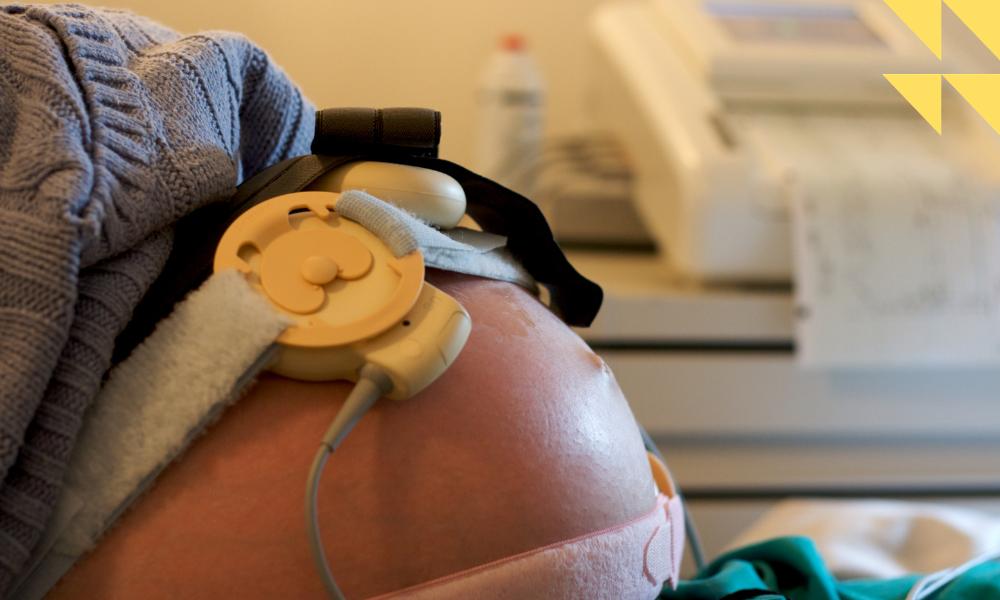
- Failure to monitor the fetal heart rate consistently throughout labor
- Misreading monitoring strips
- Failure to recognize late decelerations that signal the baby may not be tolerating contractions well
- Delayed response to reduced fetal movement
- Failure to diagnose underlying placental problems or meconium aspiration syndrome
- Improper use of Pitocin, Cytotec, or similar labor-inducing medications that overstimulate the uterus
- Failure to respond to umbilical cord emergencies
- Delayed ordering of an emergency C-section
- Poor communication among delivery staff
- Inadequate monitoring after warning signs first appear
Each of these instances represents a point at which healthcare providers had an opportunity to intervene and prevent lasting harm, but failed to do so.
Emergency C-Section Delays and Fetal Distress
An emergency C-section may become necessary when fetal heart rate monitoring or other warning signs indicate that a baby is in immediate danger and vaginal delivery poses too great a risk. In these situations, every minute matters. Delays in recognizing abnormal fetal heart rate patterns can push a case past the point where prompt surgical delivery could have prevented injury, and similar harm can result from failures to notify the obstetrician in time or to prepare an operating room once the need for surgery becomes apparent. Anesthesia delays, inadequate staffing, and poor communication among the surgical and delivery team can each contribute to a dangerous delay in delivery.
Reconstructing the delivery timeline is often central to these cases. By comparing the moment warning signs first appeared with the moment the C-section was actually performed, an experienced attorney can help establish when intervention should have occurred and whether the delay caused or worsened the child’s injury.

Injuries Associated With Fetal Distress and Hypoxia
When fetal distress is not recognized or addressed in time, the resulting oxygen deprivation can cause serious and often permanent harm. Potential injuries associated with fetal distress and hypoxia include:
- Hypoxic-ischemic encephalopathy
- Cerebral palsy
- Seizure disorders
- Preventable brain damage
- Developmental delays
- Intellectual disabilities
- Motor impairments, including reduced muscle control
- Feeding difficulties
- Spinal cord injuries
- Brachial plexus injuries, including Erb’s Palsy and Klumpke’s Palsy
- Vision loss or blindness
- Hearing loss or deafness
- Organ damage
- Stillbirth
- Neonatal death
As a fetal distress hypoxia attorney, Adam Funk works to connect a child’s injuries to the specific medical failures that caused them.
Who May Be Liable for a Fetal Distress Injury?
Because labor and delivery typically involve a team of medical professionals, more than one provider or healthcare organization may share responsibility when fetal distress is mishandled and birth injuries occur as a result. Potential defendants in a fetal distress injury claim may include:
- Obstetricians and delivery physicians who fail to recognize fetal distress or order a timely C-section
- Nurses who fail to monitor fetal heart rate changes or promptly alert a physician
- Midwives and other birth attendants whose negligent care contributes to traumatic birth injuries
- Hospitals and birthing centers that may be responsible for unsafe policies, inadequate staffing, or negligent employees
- Anesthesiologists whose medication or monitoring errors reduce oxygen or blood flow to the baby
- Radiologists or diagnostic professionals who misinterpret testing related to maternal or fetal complications
- Other negligent healthcare providers involved in prenatal care, labor, delivery, or emergency treatment
- Medical device manufacturers when a defective medical device, such as faulty fetal monitoring equipment, contributes to delayed intervention or injury
- Pharmaceutical companies (in limited cases) when a defective medication contributes to maternal or fetal harm
An experienced Houston medical malpractice lawyer like Adam Funk can perform a thorough investigation into your case and ensure that any and every party who played a role in your child’s injury is held liable in a birth injury lawsuit.
How a Birth Injury Lawsuit Can Protect Your Child’s Future
A serious birth injury often means a lifetime of medical treatment and personal care, and the financial burden this places on a family can be enormous. Beyond immediate medical bills, families frequently face the ongoing cost of future therapy, specialized education, transportation to medical appointments, and modified housing to accommodate a child’s needs. Life-care planning, which involves working with medical and financial professionals to estimate the full scope of a child’s future needs, can play an important role in understanding these long-term expenses.
Pursuing compensation that reflects the full impact of the injury — not just the costs already incurred, but those the family will face for the rest of the child’s life — is essential to protecting a child’s future and their family’s financial stability. While no legal outcome can guarantee complete financial security, a well-prepared claim can provide critical resources for a child’s ongoing medical care and quality of life.
Filing a Texas Birth Injury Claim After Fetal Distress
Pursuing a birth injury claim connected to fetal distress generally involves several key steps. The process typically begins with obtaining the mother’s and child’s complete medical records, followed by reconstructing the pregnancy, labor, and delivery timeline to understand exactly what occurred and when.
Your attorney will review the fetal heart rate monitoring data closely, consult with appropriate medical professionals to assess whether the standard of care was met, and work to identify the providers and facilities that may bear responsibility.
From there, the claim must satisfy Texas’s applicable notice requirements before the lawsuit and required expert reports are filed. The case then proceeds through the exchange of evidence and depositions, with many claims ultimately resolved through settlement. However, your birth injury attorney should also be prepared to take the case to trial, should the case proceed that far.

How an Experienced Fetal Distress Injury Attorney Can Help Prove Your Claim
A viable claim generally requires evidence showing that a healthcare provider 1) owed the mother and baby a duty of care, 2) that the provider failed to follow the accepted medical standard under similar circumstances, 3) that this failure caused or contributed to the child’s injury, and 4) that the child and family suffered measurable losses as a result.
It is important to understand that fetal distress alone does not establish malpractice. In fact, many babies experience temporary distress during labor without any negligence on the part of medical staff. The evidence in a successful claim must connect a specific, preventable medical error to the child’s birth injury, which is why a thorough investigation by an experienced birth injury attorney is so important.
Potential Damages That May Be Recoverable
When fetal distress-related birth injuries are caused by medical negligence, families may be able to seek compensation for the lasting financial and personal effects of the injury. Recoverable damages may help cover medical expenses, future treatment, physical therapy, rehabilitation, and the cost of medications and medical equipment needed for the child’s care. Families may also pursue damages for lost wages, pain and suffering, permanent disability, and emotional distress, depending on the circumstances.
In severe medical malpractice cases, birth injury victims may require lifelong medical support and daily assistance. As such, additional compensation may address in-home nursing care, mobility assistance, educational support, necessary home and vehicle modifications, and reduced future earning ability for children whose injuries will affect their ability to work as adults.
If fetal distress results in a fatal injury, eligible family members may also have grounds to pursue a wrongful death claim under Texas law. In these tragic cases, a wrongful death attorney in Houston can help families pursue everything they may be entitled to under the law.

Why Houston Families Can Trust Adam Funk As Their Birth Injury Lawyer for Fetal Distress Claims
Birth injury cases involving fetal distress are among the most medically complex and emotionally difficult claims a family can pursue, requiring an attorney who can carefully analyze fetal monitoring strips, delivery timelines, and medical records to determine exactly where negligence played a role. Attorney Adam Funk has spent his career focused on medical malpractice and birth injury litigation, giving him the skill needed to identify the specific moments when medical professionals fail to recognize or respond to signs that a baby was in danger. Rather than treating these cases as routine files, Adam works to understand the full picture of what happened during a family’s labor and delivery, consulting qualified medical experts and building a clear, evidence-based account of how a preventable error led to a serious injury.
Families who have lost trust in the medical system after a devastating birth injury deserve a Houston birth injury attorney who will fight for accountability and fair compensation on their behalf. Adam Funk brings that dedication to every fetal distress claim he handles, working to hold hospitals, physicians, and nursing staff responsible when their failures cause lasting harm to a child. Whether a case involves a missed warning sign on a monitoring strip or a delayed response to a medical emergency, families can rely on Funk Law Group to pursue justice with the thoroughness and compassion their situation demands.

Contact a Houston Fetal Distress Birth Injury Lawyer at Funk Law Group for a Free Consultation Today
Delayed recognition or treatment of fetal distress may cause permanent harm to a child, and families deserve answers about what happened during their baby’s delivery. As an experienced Houston, Texas birth injury lawyer, Adam Funk can review fetal monitoring records, reconstruct the delivery timeline, and identify the parties responsible for a preventable birth injury.
If your child suffered a birth injury connected to fetal distress in Houston or the surrounding metro area, call Funk Law Group at 346.501.FUNK or reach out via our online contact form to schedule your free consultation today.