
Brain Injuries
Houston Brain Injury Lawyer

Experienced Brain Injury Medical Malpractice Lawyer Serving Houston, Bellaire & the Greater Houston Area
Traumatic brain injuries are among the most devastating and life-altering injuries a person can suffer. Whether caused by a medical provider’s negligence, a serious car accident, or another party’s reckless conduct, a brain injury can permanently change the way a person thinks, communicates, works, and lives. Victims and their families are often left facing overwhelming medical costs, an uncertain future, and a legal system that can feel impossible to navigate alone.
Adam Funk is an experienced brain injury attorney based in Bellaire, Texas, serving clients throughout Houston and the greater metro area. Funk Law Group handles both medical malpractice-related brain injury cases and brain injuries arising from car accidents, premises liability, and other personal injury matters.
Attorney Adam Funk works directly with every client, bringing focused preparation, honest communication, and genuine commitment to each case he takes on. If you or a loved one has suffered a brain injury due to someone else’s negligence, do not wait to seek legal guidance. Call Funk Law Group today at 346.501.FUNK or send a message online for a free, confidential consultation.
Brain Damage
Playlist
2:30
1:23
1:31
1:07
1:37
1:23
1:44
2:09
What is a Traumatic Brain Injury (TBI)?
A traumatic brain injury typically occurs when an external force, such as a blow, jolt, or penetrating injury to the head, disrupts normal brain function. TBIs are classified by severity:
- Mild TBIs, commonly known as concussions, may cause temporary confusion and headaches;
- Moderate TBIs can result in extended loss of consciousness and lasting cognitive effects; and
- Severe TBIs often produce permanent neurological damage, prolonged unconsciousness, or death.
Traumatic Brain Injury vs Acquired Brain Injury
It’s important to distinguish traumatic brain injury cases from acquired brain injuries, which are caused not by external trauma but by internal events such as oxygen deprivation, infection, or stroke. Both categories can produce catastrophic outcomes, but they arise through different mechanisms and often involve different legal theories of liability. Medical malpractice cases, for example, frequently involve acquired brain injuries resulting from a healthcare provider’s failure to prevent or properly treat a damaging neurological event.
The long-term impact of a brain injury (of either type) can be profound. Victims may require years of rehabilitation, ongoing medical care, and assistance with daily living. Families often become full-time caregivers, sacrificing their own careers and well-being in the process. A successful brain injury claim must account for all of these realities, not just the immediate medical costs.
Open Head Injuries vs Closed Head Injuries
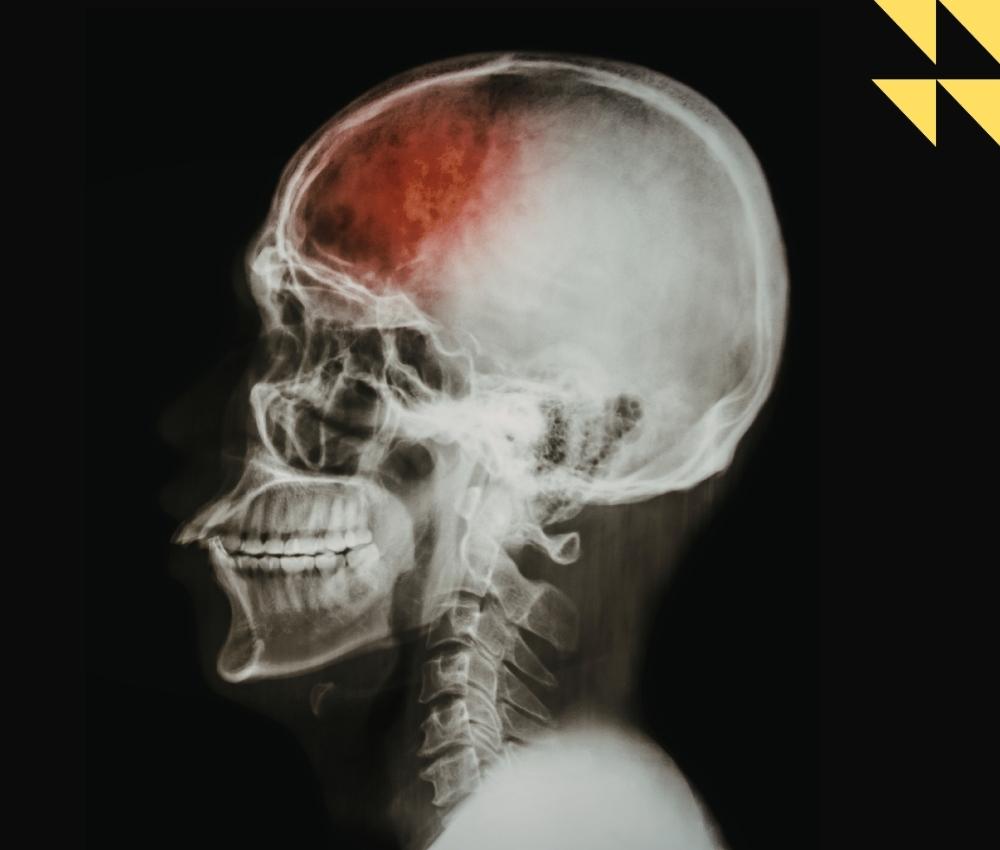
Open head injuries and closed head injuries are types of brain injuries that differ in how the damage occurs. Open head injuries involve a break in the skull, often caused by penetrating physical trauma, which exposes the brain tissue and can lead to immediate and visible damage.
Closed head injuries, on the other hand, occur when the skull remains intact but the brain is injured due to impact or rapid movement. Even without an open wound, the force of the injury can cause the brain to shift within the skull, leading to bruising, swelling, or internal bleeding.
Both types of injuries can result in serious, long-term effects and require prompt medical treatment.
Medical Malpractice as a Cause of Brain Injury
Some of the most serious and legally significant brain injuries are caused by the negligence of the healthcare providers entrusted with a patient’s care. When a physician fails to diagnose a stroke in time, when an anesthesiologist makes a critical error during surgery, or when a hospital’s systemic failures deprive a patient of oxygen, the resulting brain damage can be permanent and severe.
Medical malpractice brain injury cases are among the most complex and high-value claims in personal injury law. They require a thorough understanding of medical standards, access to qualified neurological and medical experts, and the ability to build a compelling case against well-resourced hospital systems and their insurers. These cases also tend to involve significant damages — given the lifelong impact of serious brain injuries — making it essential to work with an attorney who knows how to pursue maximum compensation effectively.
Common Brain Injuries Caused By Medical Malpractice
When medical professionals fail to meet the accepted standard of care, the consequences can include some of the most serious and permanent injuries sustained by patients in any healthcare setting. Experienced Houston, TX medical malpractice attorney Adam Funk represent victims in cases involving all types of malpractice-related brain injuries, including:










Stroke-Related Brain Injuries
A stroke occurs when blood flow to part of the brain is interrupted, either by a blockage or a rupture. Every minute without treatment can mean millions of neurons lost, which is why rapid diagnosis and intervention are critical. When a physician, emergency room staff member, or hospital fails to recognize the signs of a stroke, orders the wrong treatment, or delays the administration of clot-dissolving medication within the appropriate window, the patient may suffer brain damage that could have been prevented or significantly reduced with timely care.
Oxygen Deprivation Injuries (Hypoxic / Anoxic Brain Injury)
Hypoxic brain injury occurs when the brain is deprived of adequate oxygen, even for a brief period, while anoxic brain injuries occur when the oxygen supply is completely cut off. Brain cells begin to die within minutes of oxygen deprivation, and the resulting damage can range from mild cognitive impairment to permanent vegetative state. Medical negligence is a common cause of hypoxic brain injuries, including:
- Airway mismanagement during intubation
- Failure to monitor oxygen levels during a procedure
- Medication errors that suppress breathing
- Delays in responding to respiratory distress
These injuries are particularly significant because they are often entirely preventable. When a healthcare provider’s failure to follow basic monitoring and intervention protocols results in a hypoxic or anoxic brain injury, that provider (and potentially the facility) can be held liable for the full extent of the patient’s damages.
Brain Injury Due to Intracranial Bleeding
A brain bleed, whether from a ruptured aneurysm, subdural hematoma, or hemorrhagic stroke, is a medical emergency that requires immediate diagnosis and intervention. When a physician fails to order the appropriate imaging, misreads scan results, or delays surgical intervention, the bleeding can expand and cause catastrophic, irreversible damage.
Surgical errors can also directly cause intracranial bleeding, including nicking a blood vessel during a procedure or failing to control bleeding in the operating room. Depending on the circumstances, liability may rest with the diagnosing physician, the radiologist who reviewed the imaging, the surgeon, or the hospital itself.
Brain Injury Due to Infection
Infections of the brain and surrounding tissue — including bacterial meningitis, viral encephalitis, and post-surgical brain abscesses — can cause permanent neurological damage if not diagnosed and treated promptly. When a provider fails to recognize the warning signs of a serious infection, delays ordering appropriate testing, or prescribes an ineffective treatment, the patient may suffer brain damage that timely intervention could have prevented.
Hospital-acquired infections are also a significant concern. When inadequate sterilization protocols, improper wound care, or systemic hygiene failures at a medical facility lead to a brain infection, the institution may bear liability for the resulting harm.
Surgical Brain Injuries
Brain injuries can result directly from surgical errors, whether the procedure involves the brain itself or another part of the body. Errors such as wrong-site surgery, accidental damage to surrounding neural tissue, uncontrolled bleeding, and failure to maintain adequate blood flow to the brain during a procedure can all result in permanent neurological damage.
Even procedures that do not directly involve the brain, such as cardiac or orthopedic surgeries, carry the risk of brain injury if blood pressure, oxygen levels, or blood flow are not carefully managed throughout. When surgical negligence causes a brain injury, the surgeon, the surgical team, the anesthesiologist, and the hospital may all share liability depending on the specific failures involved.
Brain Injury Due to Ventilation and/or Anesthesia
Anesthesia and ventilation errors are among the most serious forms of medical negligence, carrying a direct risk of hypoxic brain injury. An anesthesiologist who administers the wrong dosage, fails to properly monitor a patient’s airway, or does not respond promptly to signs of oxygen deprivation can cause irreversible brain damage within minutes.
Similarly, improper management of a ventilated patient in an ICU or post-surgical setting, including failure to maintain appropriate oxygen levels or respond to equipment alarms, can result in devastating neurological consequences. Liability in these cases typically involves the anesthesiologist, the medical staff responsible for post-procedure monitoring, and potentially the facility if systemic failures contributed to the error. An experienced Houston anesthesia errors lawyer like Adam Funk can help investigate the circumstances and ensure the appropriate party (or parties) is held accountable for the role they played in you or a loved one’s harm.
Birth-Related Brain Injuries
Among the most heartbreaking cases are those involving brain injuries sustained by newborns due to negligence during labor, delivery, or the critical hours immediately following birth. These injuries are often permanent, require a lifetime of specialized care, and carry an enormous emotional and financial burden for the families affected. When medical professionals fail to monitor, respond, or intervene appropriately during this vulnerable period, they — and the facilities where they practice — can and should be held accountable.
The most common birth-related brain injuries are:
- Hypoxic-ischemic encephalopathy (HIE)
- Intracranial hemorrhage from birth traumas like improper use of vacuum extraction devices, forceps injuries causing skull fractures, and overly vigorous resuscitation
- Untreated jaundice progressing to kernicterus birth injuries
- Untreated hypoglycemia causing permanent brain damage
- Untreated infections advancing to meningitis
In each of these situations, the injury was preventable, and when negligence is the cause, a Houston birth injury lawyer at Funk Law Group is prepared to fight for the compensation you, your child, and your family deserve.
Brain Injury Due To Trauma in Medical Settings
Traumatic brain injuries can occur in medical settings when proper safety measures and monitoring are not followed. Patient falls are a leading cause, including ICU falls, hospital bed falls, and post-anesthesia falls when a patient is still disoriented or physically unstable. These incidents can result in serious complications such as brain bleeds, subdural hematomas, and traumatic brain injuries that require immediate medical attention. Facilities are expected to assess fall risk, provide supervision, and implement safeguards to reduce these preventable events.
Failure To Diagnose Brain Injury or Conditions
Failure to diagnose brain injuries or conditions, such as brain tumors, strokes, or TBIs, can lead to life-altering consequences for patients. When medical professionals overlook or misinterpret symptoms, it can result in delayed treatment of critical conditions that require immediate intervention. This oversight not only exacerbates the physical trauma, but may also lead to irreversible damage to cognitive functions and overall health.
Failure to Diagnose Medical Conditions Leading to Brain Injury
Brain injuries can also occur when serious medical conditions are not diagnosed or treated in time. Delays, mismanagement, or failure to recognize warning signs can reduce oxygen or glucose supply to the brain, leading to permanent damage. These situations require prompt and careful medical care to prevent avoidable harm.
Common conditions that can lead to brain injury include:
- Sepsis
- Diabetic ketoacidosis
- Wernicke’s-Korsakoff Syndrome
- Hyponatremia or hypernatremia
- Untreated hypoglycemia
When these conditions are not addressed in a timely and appropriate manner, the risk of severe and lasting brain damage increases significantly.
Other Common Causes of Brain Injury in Houston, TX
While medical malpractice is a leading focus of Funk Law Group’s brain injury practice, brain injuries also arise from a wide range of accidents and incidents in which another party’s negligence is responsible. Adam Funk represents brain injury victims throughout Houston regardless of how their injury occurred.




Brain Injuries From Motor Vehicle Accidents
The force of a motor vehicle collision, even at moderate speeds, can cause the brain to strike the interior of the skull, resulting in a traumatic brain injury. Car and truck accidents are among the leading causes of TBI in the United States, and the injuries they produce can range from concussions to severe, permanently disabling brain trauma.
When a negligent driver, a distracted motorist, or a reckless trucking company is responsible for the crash, a Houston car crash lawyer at Funk Law Group can help ensure they are held liable for the full extent of the victim’s brain injury damages.
Brain Injuries From Premises Liability
When dangerous property conditions are ignored or not corrected in time, traumatic brain injuries can occur. Hazards such as broken stairs, loose flooring, poor lighting, or unmarked wet surfaces can cause a fall, leading to severe trauma. Falls from heights are also a common cause of TBIs, particularly when workplace accidents occur in settings like manufacturing and construction. A Houston brain injury lawyer can review the facts, identify liability, and help build a claim that reflects the full impact of the injury on your health and future.
Brain Injuries From Sports & Recreational Accidents
Sports injuries involving repeated concussions, chronic traumatic encephalopathy (CTE), and other serious TBIs frequently result from contact sports, recreational activities, and organized athletic programs where proper safety protocols are not followed. When negligent supervision, unsafe facilities, or a failure to respond appropriately to a known head injury causes or worsens a brain injury, identifying all parties responsible — including coaches, facility operators, and event organizers — is essential to pursuing full and fair compensation.
Brain Injuries From Assault & Intentional Acts
TBI injuries caused by assault or intentional violence give rise to both criminal and civil liability. Even if the perpetrator is being prosecuted criminally, the victim has a separate right to seek compensation in civil court for their injuries. A criminal conviction is not required for a civil claim to succeed, and the two proceedings are independent of one another.
Through a traumatic brain injury lawsuit (or a brain injury settlement), victims may pursue compensation for medical bills, lost wages, and other damages related to their recovery, helping address both immediate financial needs and long-term care.
Symptoms and Long-Term Effects of a Brain Injury
Brain injuries manifest differently depending on their location, severity, and cause — but the effects are rarely limited to the physical. Victims may experience a wide range of symptoms that affect every dimension of their lives.
Physical brain injury symptoms can include:
- PERSISTENT HEADACHES
- SEIZURES
- DIZZINESS
- FATIGUE
- SENSITIVITY TO LIGHT AND SOUND
- IMPAIRED MOTOR FUNCTION
In cases of especially severe brain injuries, victims may lose the ability to walk, speak, or perform basic daily activities independently.
Cognitive effects may include:
- MEMORY LOSS
- DIFFICULTY CONCENTRATING
- SLOWED PROCESSING SPEED
- IMPAIRED EXECUTIVE FUNCTION
Emotional and behavioral changes are also common after head trauma and can be among the most difficult consequences for families to navigate. This includes:
- DEPRESSION
- ANXIETY
- IRRITABILITY
- IMPULSIVITY
- PERSONALITY SHIFTS
These changes can strain relationships, disrupt family dynamics, and contribute significantly to the overall burden of the injury.
For victims with permanent impairment, the need for long-term care creates financial demands that can last a lifetime. This includes:
- IN-HOME ASSISTANCE
- REHABILITATIVE THERAPY
- ADAPTIVE EQUIPMENT
- SPECIALIZED MEDICAL MANAGEMENT
A comprehensive brain injury claim must account for all of these present and future needs.

What To Do After Suffering Severe, Traumatic Brain Injuries in Houston, TX
If you or a loved one has suffered a serious brain injury, the steps you take in the aftermath matter enormously, both for your health and for any future legal claim. The first thing you should do is seek emergency medical care immediately and follow all treatment recommendations. If the injury occurred in a medical setting, request copies of all medical records as soon as possible. Document everything — symptoms, limitations, the impact on daily life — and avoid giving recorded statements to any insurance company before speaking with an attorney.
Last but certainly not least, contact a reputable Houston brain injury lawyer like Adam Funk at Funk Law Group as early as possible. The sooner your attorney can begin investigating your case, the better positioned you will be to preserve critical evidence and meet Texas’s filing deadlines.
Compensation Available in a Houston Brain Injury Case
A brain injury can upend every aspect of a victim’s life, from their ability to work and care for themselves to their personal relationships and long-term financial security. Experienced brain injury lawyers like Adam Funk know that fair compensation must reflect not just what has already been spent, but everything the injury will cost a victim and their family going forward.
Under Texas personal injury law, a successful brain injury claim may recover the following damages:
- EMERGENCY TREATMENT & MEDICAL EXPENSES — the cost of ambulance transport, emergency room care, hospitalization, surgery, diagnostic imaging, and all other medical bills incurred as a result of the injury
- FUTURE MEDICAL COSTS — ongoing care needs like follow-up procedures, specialist visits, prescription medication, and long-term medical management
- PHYSICAL THERAPY & OCCUPATIONAL THERAPY — rehabilitative treatment designed to help victims regain lost function, rebuild independence, and adapt to life after a brain injury, often provided by a team of rehabilitation specialists over months or years
- LOST WAGES & DIMINISHED EARNING CAPACITY — compensation for income lost during recovery as well as the long-term impact on the victim's ability to work and earn
- PAIN AND SUFFERING — physical pain, mental anguish, emotional distress, and loss of enjoyment of life resulting from the injury and its effects
- WRONGFUL DEATH DAMAGES — when a brain injury results in death, surviving family members suffering wrongful death losses may pursue compensation for funeral costs, loss of financial support, and loss of companionship
The severity of a brain injury directly affects the value of a claim. Victims with severe injuries that permanently affect their ability to work, communicate, or live independently may be entitled to significant compensation that accounts for a lifetime of care needs. Adam Funk carefully evaluates every element of each client’s damages to make sure nothing is left on the table when it comes time to negotiate or litigate.
Funk Law Group's Successful Brain Injury Case Results
A serious brain injury can affect every aspect of a person’s life, creating long-term physical, cognitive, and financial challenges for victims and their families. Adam Funk of Funk Law Group has represented clients in brain injury cases involving negligent medical care and has secured substantial recoveries on their behalf. The case results below demonstrate the firm’s dedication to pursuing accountability and financial recovery for injured clients. Every case is different, and past results do not guarantee a similar outcome.
$3,500,000
Hypoxic Ischemic Encephalopathy (HIE) Due to Fetal Distress Resulting in Brain Damage and Cerebral Palsy of Daughter
$1,000,000
Negligent Overserving of Bar Patron Resulting in Severe Brain Injury
The Importance of Working With an Experienced Houston Traumatic Brain Injury Lawyer
Brain injury cases are not like other personal injury claims. The medical complexity, the long-term nature of the damages, and the resources that defendants typically bring to bear all demand a higher level of legal skill and preparation. Experienced Houston brain injury attorneys understand how to work with medical and financial experts to quantify lifelong care costs accurately and present the full human impact of a brain injury to a jury in a way that results in fair and meaningful compensation.
Without experienced legal representation, brain injury victims risk settling their claims for a fraction of their true value — often before the full extent of the injury is even known. Adam Funk does not let that happen. He takes the time to fully understand each client’s situation, builds cases with the thoroughness they require, and is prepared to litigate aggressively when an appropriate brain injury settlement cannot be reached through negotiations.
How a Houston Brain Injury Attorney Proves Your Case
Proving a brain injury claim requires establishing the same four elements of negligence as any personal injury case — duty of care, breach of that duty, causation, and damages — but the evidence required to do so in a brain injury case is particularly specialized. Medical expert testimony is essential, both to establish the standard of care that was breached and to explain the injury’s neurological impact to a judge or jury.
Imaging studies, operative reports, accident reports, medical records, and neuropsychological evaluations all play a critical role in building a compelling case. Equally important is evidence of long-term impact, including vocational assessments, life care plans, witness statements, and testimony from treating physicians, that demonstrates the full scope of what the victim has lost and what they will need going forward.

How Long Does a Brain Injury Lawsuit Take in Texas?
The timeline for a brain injury case depends on its complexity, the clarity of liability, and how willing the opposing party is to negotiate in good faith. Cases involving clear-cut negligence and well-documented damages may be resolved through settlement within a year. More complex cases — particularly those involving disputed liability, multiple defendants, or catastrophic injuries requiring extensive expert testimony — can take considerably longer.
It is also important to note that brain injury victims should generally wait until their condition has stabilized, something known as reaching maximum medical improvement, before settling, to ensure that the full extent of physical limitations and future medical needs is captured in any agreement.
Texas law gives most personal injury plaintiffs two years from the date of injury to file a lawsuit, with specific rules applying to medical malpractice claims. Adam Funk will guide you through the timeline honestly and help you make informed decisions at every stage.
How Much Does a Traumatic Brain Injury Lawyer in Houston Cost?
The total cost for hiring an attorney can vary depending on the complexity of the case, the amount of investigation required, and whether the case settles or goes to trial. During an initial consultation, many Houston TBI lawyers will explain their fee structure so you understand what to expect before moving forward.
Funk Law Group handles brain injury cases on a contingency fee basis, meaning there are no upfront costs to retain Adam Funk as your attorney. You pay nothing while your case is being pursued. If compensation is recovered, whether through settlement or verdict, attorney fees are taken as an agreed percentage of that recovery. If the case does not result in compensation, you owe no attorney fees.
All fee arrangements are set out clearly in a written agreement before representation begins, so there are never any surprises.
Why Choose Funk Law Group as Your Houston Brain Injury Lawyer?
When you hire Funk Law Group, you work directly with Adam Funk — from the first consultation through the final resolution of your case. There are no handoffs to associates or case managers, no being passed around a large law firm, and no uncertainty about who is handling your claim. As a trusted Houston brain injury lawyer, Adam Funk brings direct, personal attention to every brain injury case he takes on, combined with the experience, preparation, and trial readiness that high-value catastrophic injury claims demand.
Brain injury victims deserve an advocate who takes their case as seriously as they do. One who understands both the complexity of the legal process and the profound human impact of what they have been through. That is exactly what Funk Law Group provides. Adam conducts a thorough investigation into your case to identify all sources of liability and build the strongest possible claim on your behalf. He works to pursue full financial compensation, including damages for pain and suffering, emotional distress, loss of earning capacity, medical expenses, and more, so you can focus on your physical recovery while he focuses on your financial recovery.
Serving Serious Brain Injury Victims Throughout the Houston Metro Area
Funk Law Group is based in Bellaire, Texas, but our legal team proudly serves brain injury victims throughout the greater Houston area, including Southwest Houston, West University, Sugar Land, Katy, and beyond. Adam Funk’s familiarity with Houston courts, local judges, and the legal landscape of Harris County and surrounding jurisdictions is a meaningful advantage in every case he handles.


Schedule a Free Consultation With Houston Brain Injury Lawyer Adam Funk Today
A brain injury changes everything, and if the injury happened as a result of another’s negligence, the decisions you make in the aftermath can have lasting consequences for your recovery and your future. Do not navigate this alone, and do not wait until important deadlines have passed.
Funk Law Group offers a free, confidential case evaluation with no obligation and no upfront cost. You will speak directly with Adam Funk, get honest answers about your situation, and leave with a clear understanding of your legal options. There is no fee unless we recover compensation for you.
Call today at 346.501.FUNK or reach out through our online contact form to schedule your free consultation. The sooner you act, the stronger your case can be.