
Umbilical Cord Compression
Umbilical Cord Compression Lawyer in Houston, TX

Houston Infant Umbilical Cord Compression Lawyer Helping Families After Preventable Birth Injuries
When a family walks into the delivery room, they expect the healthcare providers there to do everything possible to protect both mother and baby. Unfortunately, not every hospital lives up to that responsibility. Attorney Adam Funk is an experienced malpractice lawyer in Houston who has spent his career fighting for Houston families whose children suffered serious harm because medical staff failed to closely monitor labor and delivery or failed to take appropriate action when warning signs appeared.
Umbilical cord compression is one of the most dangerous complications that can occur during the birthing process. When the cord becomes pinched, squeezed, or trapped, it can dramatically reduce or completely cut off the flow of oxygen and nutrients to the baby. Left unaddressed, this can lead to catastrophic and irreversible harm, including brain damage, long-term injury, or even death.
Many umbilical cord complications are foreseeable and manageable when medical providers follow the accepted standard of care. When doctors and nurses fail to timely diagnose the problem or respond appropriately, the result can be a lifetime of medical challenges for a child who should have had every opportunity for a healthy start. If your family has been affected by negligent monitoring or a delayed response during delivery, you may have grounds for a medical malpractice claim.
If you believe you have a case, contact Funk Law Group for a free, no-obligation consultation to discuss your child’s birth injury and learn about your legal rights. Simply call 346.501.FUNK or reach out online to get started today.
What is Umbilical Cord Compression?
Umbilical cord compression occurs when the umbilical cord is squeezed, pinched, or otherwise obstructed during pregnancy or labor, restricting the flow of oxygen-rich blood between the mother and baby. The umbilical cord serves as the baby’s lifeline throughout pregnancy, delivering oxygen, nutrients, and removing waste products like carbon dioxide. Any interruption to this vital blood flow can quickly become dangerous.
Brief, intermittent compression is relatively common during labor and often resolves on its own without causing harm. However, prolonged or repeated compression is a genuine medical emergency. When oxygen delivery is cut off for an extended period, the baby’s body can begin to suffer the effects of oxygen deprivation within minutes, potentially leading to permanent brain injury or worse.
The critical distinction that medical providers must recognize is the difference between temporary, self-resolving compression and a pattern that signals a baby is being deprived of oxygen for a dangerous length of time. Recognizing this distinction and acting quickly is a fundamental part of the accepted standard of care during labor and delivery.
Umbilical Cord Compression vs. Umbilical Cord Prolapse
While related, umbilical cord compression and a prolapsed umbilical cord are distinct complications. Compression refers to the cord being squeezed or pinched, often due to positioning, entanglement, or low fluid levels. A prolapsed cord, by contrast, occurs when the cord slips through the cervix ahead of the baby during delivery, where it can become compressed between the baby’s body and the birth canal.
Both conditions can rapidly restrict blood flow to the baby, and both can escalate into a true obstetrical emergency requiring immediate intervention (often an emergency C-section). The key difference lies in the mechanism, but the urgency of the medical response is the same: healthcare providers must recognize the signs quickly and act without delay to prevent serious complications.
In either case, delayed diagnosis or treatment can lead to a preventable birth injury, and families may have grounds to pursue a medical malpractice claim. A Houston umbilical cord prolapse lawyer like Adam Funk can review the medical records, determine whether negligence contributed to the injury, and help families seek compensation for the harm their child has suffered.
Common Causes of Umbilical Cord Compression
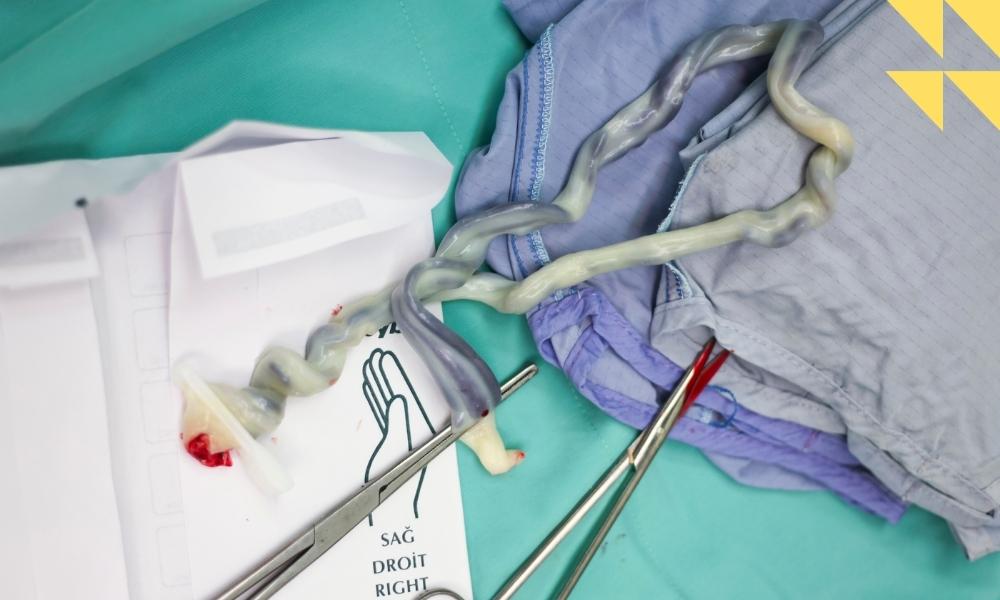
Several risk factors can contribute to umbilical cord compression. A nuchal cord, where the cord wraps around the baby’s neck, is among the most common. Low amniotic fluid levels, known as oligohydramnios, reduce the cushioning that normally protects the cord, while breech presentation and unusual maternal positioning can each place added pressure on it during labor. Multiple pregnancies, such as twins or higher-order multiples, increase the risk of cord entanglement, and large babies simply leave less room in the uterus for the cord to move freely.
Strong uterine contractions and prolonged labor can also squeeze the cord against the baby’s body over an extended period, while true knots and other forms of cord entanglement create risk throughout pregnancy. Premature rupture of membranes may also increase the likelihood of cord compression, particularly when the baby’s head has not fully engaged in the pelvis. Placental abnormalities that affect how and where the cord is positioned round out the most common causes.
Understanding these umbilical cord issues is essential because many are identifiable before or during labor if medical staff are paying close attention.
Warning Signs of Cord Compression Doctors Should Recognize During Labor
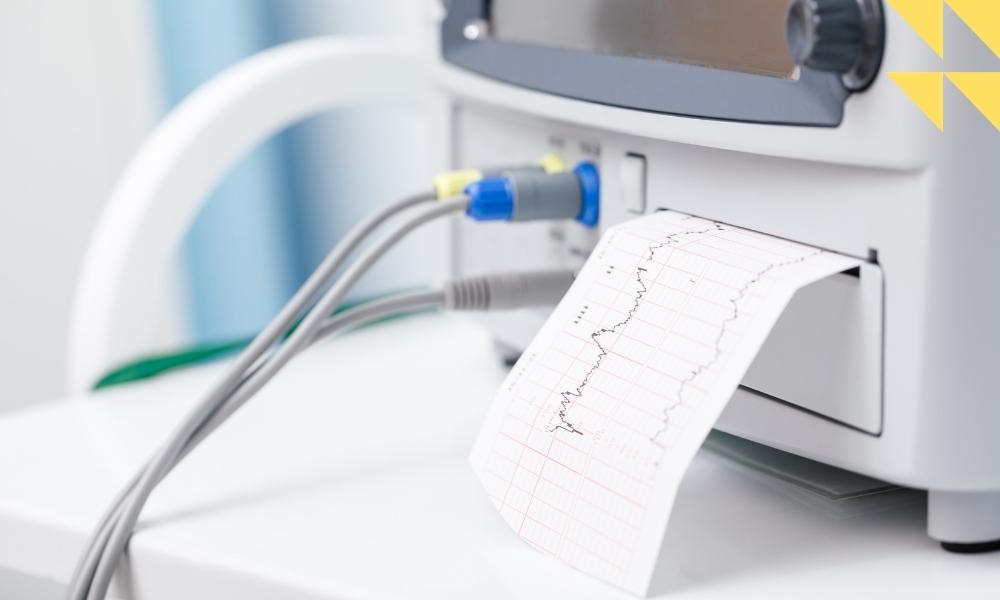
Modern fetal monitoring strips exist so that healthcare providers can catch problems before they become catastrophic. Warning signs that should prompt immediate action include:
- Abnormal fetal heart rate patterns
- Variable decelerations on the monitor
- Other signs of fetal distress
- Decreased fetal movement before delivery
- Meconium-stained amniotic fluid
- Sudden changes in contraction patterns
Continuous fetal monitoring is one of the most important tools available to detect these warning signs early. When medical staff fail to closely monitor a laboring mother, or fail to properly interpret what the monitor is showing, the consequences for the baby can be devastating.
Negligence That Can Lead to Umbilical Cord Compression Injuries
Not every case of umbilical cord compression is the result of malpractice. However, when a healthcare provider deviates from the accepted standard of care, and that failure causes harm, families may be entitled to pursue a medical malpractice claim. Common forms of medical negligence include:
- Failure to Properly Monitor the Baby — Inadequate use or interpretation of fetal monitoring equipment during labor.
- Delayed Response to Fetal Distress — Recognizing a problem but failing to respond to signs of fetal distress promptly.
- Failure to Perform a Timely Emergency Cesarean Section — When vaginal delivery becomes too dangerous, delaying a necessary C-section can be catastrophic.
- Improper Labor Management — Mismanaging labor progression despite signs of complications.
- Failure to Recognize Umbilical Cord Compression — Simply missing the signs altogether.
- Poor Communication Among the Labor and Delivery Team — Breakdowns between doctors, nurses, and other medical providers that delay necessary care.
Common Birth Injuries Caused by Umbilical Cord Compression
Umbilical cord complications can lead to some of the most serious birth injury cases seen in labor and delivery, since even a brief interruption in oxygen flow can have lasting consequences for a newborn. When medical staff fail to recognize and respond to these complications in time, the resulting injuries often affect a child and their family for the rest of their life.
Hypoxic-Ischemic Encephalopathy (HIE)
When cord compression cuts off a baby’s oxygen supply for an extended period, it may result in what is called hypoxic-ischemic encephalopathy, or HIE, a serious brain injury caused by oxygen and blood flow deprivation. In such cases, a Houston HIE birth injury lawyer can help families investigate whether a delayed response during labor contributed to their child’s diagnosis.
Cerebral Palsy
When a doctor fails to recognize and respond to signs of fetal distress caused by cord compression, the resulting oxygen deprivation can lead to cerebral palsy and lifelong complications affecting movement, muscle tone, and coordination. Families pursuing cerebral palsy birth injury claims often find that a thorough investigation into the labor and delivery process reveals exactly where the medical team’s care fell short.
Brain Damage
Prolonged oxygen deprivation from umbilical cord compression can cause permanent brain damage, ranging from mild cognitive effects to severe, life-altering impairment. As a seasoned brain damage attorney in Houston, Adam Funk can help families understand medical records and determine whether the injury could have been prevented with timely intervention.
Permanent Neurological Impairment & Developmental Delays
Beyond a specific diagnosis, oxygen deprivation from cord compression can result in broader permanent neurological impairment and developmental delays that become more apparent as a child grows. A skilled birth injury lawyer can help families pursue the resources needed to support their child’s long-term development and care.
Seizure Disorders
Newborns who experience significant oxygen deprivation are also at increased risk of developing seizure disorders, which can require lifelong medication management and neurological monitoring to keep under control.
Organ Damage
Because oxygen deprivation affects the entire body, not just the brain, umbilical cord compression injuries can also result in organ damage, particularly to the kidneys, heart, and liver, requiring specialized medical care in the newborn period and beyond.
Stillbirth & Wrongful Death
In the most tragic cases, prolonged or repeated umbilical cord compression that goes unrecognized can result in stillbirth or a newborn’s death shortly after delivery. A wrongful death lawyer in Houston can help grieving families understand whether their loss resulted from preventable medical negligence and pursue accountability on their behalf.
Diagnosing Umbilical Cord Compression Before and During Delivery
Healthcare providers have multiple tools available to detect and diagnose umbilical cord compression before it causes lasting harm. Prenatal ultrasounds, fetal heart monitoring, biophysical profiles, and Doppler studies can each reveal warning signs well before labor begins, while ongoing labor monitoring and emergency assessment during delivery itself allow medical teams to catch problems as they develop. When these tools are used properly and the results are acted upon promptly, most cases of cord compression can be identified and managed before they cause lasting harm to the baby.

Treatment Following an Umbilical Cord Compression Birth Injury
When a baby has suffered oxygen deprivation, prompt treatment is critical to minimizing the extent of injury. Depending on the severity of the injury, treatment may begin with emergency delivery and neonatal intensive care, followed by therapeutic hypothermia, or cooling therapy, to help reduce the risk of lasting brain damage.
Respiratory support is often necessary in the immediate aftermath, while physical therapy, occupational therapy, and speech therapy frequently become part of a child’s ongoing care. Many children affected by severe cord compression injuries require years, or a lifetime, of long-term rehabilitation and specialized support.
How Birth Injury Attorneys Can Help in Umbilical Cord Compression Cases
An experienced umbilical cord compression lawyer plays a critical role in helping families understand what happened and pursuing the compensation their child deserves. This typically involves:
- Investigating the cause of the injury by obtaining and analyzing medical records, fetal monitoring strips, and delivery room documentation
- Consulting qualified medical experts who can evaluate whether the care provided met the accepted standard
- Calculating long-term damages, including future medical expenses, therapy costs, and home modifications
- Negotiating with insurers who often attempt to minimize payouts to affected families
- Preparing cases for trial when a fair settlement cannot be reached
Because these cases often involve multiple parties, including obstetricians, nurses, and hospitals, a thorough investigation is essential to identify all responsible parties.

Why Choose a Houston Umbilical Cord Compression Attorney at Funk Law Group?
Attorney Adam Funk has extensive experience handling complex birth injury and medical malpractice litigation throughout the Houston metro area. As a trusted Houston, TX birth injury attorney, he represents families whose children have suffered umbilical cord birth injuries and other preventable complications caused by medical negligence during pregnancy, labor, or delivery. His law firm carefully reviews medical records, consults with respected medical experts, and works to identify where the accepted standard of care may have been breached.
Families who work with Funk Law Group can expect thorough investigations backed by leading medical experts and personalized representation tailored to their family’s unique circumstances. Understanding that an injury affecting a baby’s health can create overwhelming emotional and financial challenges, including ongoing medical treatment, therapy, and long-term care expenses, Funk Law Group handles cases on a contingency fee basis, meaning there are no upfront costs to pursue a claim.
In every case he takes on, Adam remains committed to securing the financial compensation families need to support a child’s lifelong care needs.

Contact Experienced Birth Injury Lawyer Adam Funk For a Free Consultation Regarding Your Child’s Umbilical Cord Birth Injuries
If your child suffered a birth injury due to umbilical cord compression, time matters. Acting quickly helps preserve critical medical records and evidence needed to build a strong case. Adam Funk and the team at Funk Law Group are ready to review your child’s medical history, evaluate whether negligent care contributed to your child’s condition, and help you understand your legal rights.
Contact Funk Law Group online or by phone at 346.501.FUNK today for a free consultation with a Houston umbilical cord compression attorney and take the first step toward securing your family’s future.