
Radiology Malpractice
Houston Radiology Malpractice Attorney
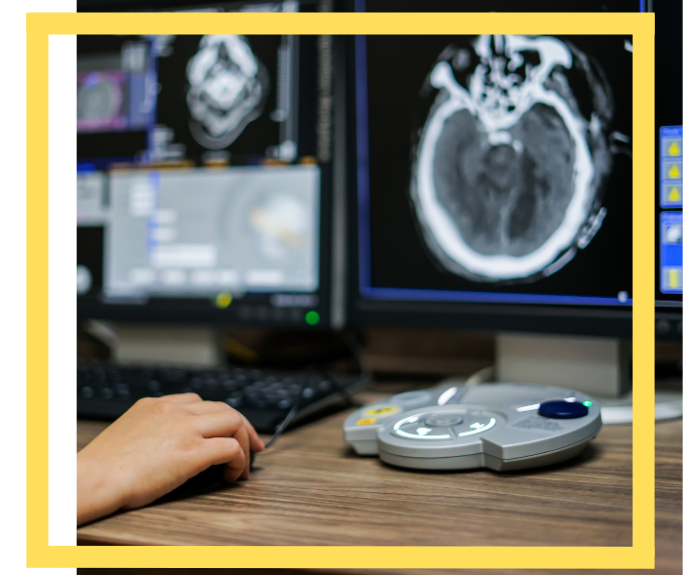
Experienced Houston Medical Malpractice Lawyer Helping Victims of Radiology Errors
Radiology plays a central role in modern medicine, often serving as the first step toward an accurate diagnosis. When a radiologist misreads a scan, misses a critical finding, or fails to communicate results promptly, the consequences can be severe. Radiology mistakes can delay treatment and allow a medical condition to progress well beyond the point where early intervention would have made a meaningful difference. At Funk Law Group, Adam Funk has built a reputation as an experienced medical malpractice attorney who understands how these errors happen and how to hold negligent providers accountable.
If you or a loved one suffered harm because a radiologist or other healthcare professional failed to properly interpret imaging results, our legal team can evaluate your potential claim and help you understand your legal options. As a trusted Houston medical malpractice law firm, Funk Law Group has the medical knowledge and litigation experience necessary to take on complex radiology malpractice cases.
Call 346.501.FUNK or complete our online contact form to schedule a free case evaluation today.
What is Radiologist Malpractice?
Radiologist malpractice occurs when a radiologist fails to meet the accepted standard of care in reviewing, interpreting, or reporting imaging studies, and that failure causes harm to the patient. Like other healthcare professionals, radiologists owe their patients a legal duty to apply the same level of skill and knowledge that a reasonably competent radiologist would exercise under similar circumstances. This includes correctly identifying abnormalities on imaging, comparing new studies to prior ones when appropriate, and communicating findings to the treating physician in a timely manner.
It’s important to distinguish between an unavoidable diagnostic challenge and true negligence. Radiology sometimes involves subtle findings that are genuinely difficult to detect, and not every missed finding amounts to medical malpractice. However, when a healthcare provider fails to identify a finding that a competent radiologist would have caught, or fails to act on a report in a timely way, that failure may be considered medical malpractice under Texas medical malpractice law.
Who Reads Radiology Reports?
Radiology reports pass through the hands of several medical professionals before a patient’s care plan is finalized, and understanding these roles helps explain how communication breakdowns can lead to serious harm. The radiologist is typically the first to review the imaging study and generate a formal report describing the findings. That report is then relied upon by the treating physician, who uses it to guide the patient’s ongoing care, as well as by emergency physicians who may need to make rapid decisions based on imaging results during an urgent visit. Specialists such as oncologists, neurologists, and orthopedic surgeons often depend on radiology reports as well when planning treatment for a specific condition.
Each of these providers bears some degree of responsibility for communicating clearly and promptly with one another. When a radiologist fails to flag an urgent finding, or when a treating physician fails to review and act on a report that was properly issued, the breakdown in communication between medical providers can create liability for one or more parties involved in the patient’s care.
Examples of Malpractice in Radiology
Radiology malpractice can take many forms, but certain scenarios come up repeatedly in medical malpractice cases, including but not limited to:
- Missed lung cancer on a chest X-ray, allowing the disease to progress to a later, less treatable stage
- Missed spinal fracture after an accident, resulting in further injury or paralysis due to inadequate immobilization
- Delayed stroke diagnosis, where a hospital fails to recognize signs of stroke on a CT or MRI in time for effective treatment
- Failure to report a life-threatening aneurysm, leaving a patient without warning of an urgent, potentially fatal condition
Each of these examples illustrates how a single medical mistake in radiology can lead to catastrophic injuries or worse.
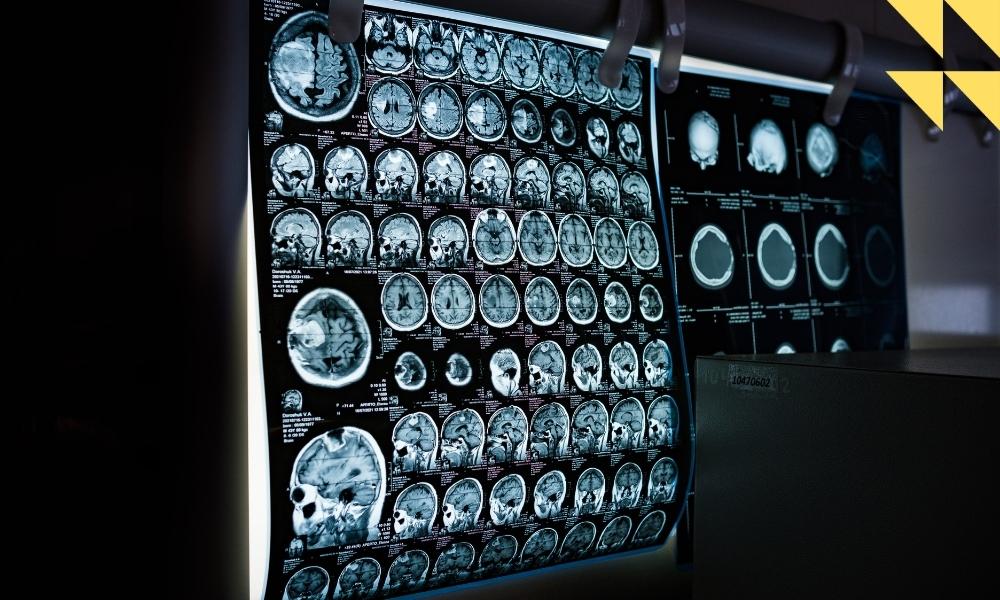
Most Common Errors in Radiology That Lead to Medical Malpractice Lawsuits
Radiology plays a central role in diagnosing and treating patients, and when radiologists or the technicians and physicians who rely on their findings make mistakes and medical malpractice occurs as a result, the consequences can be devastating. Errors in reading or interpreting imaging studies often delay necessary treatment, allow conditions to progress unchecked, or lead to the wrong course of care altogether.
When these mistakes fall below the accepted standard of medical care, patients may suffer serious injuries that could have been avoided. If you or a loved one has been harmed by a radiology error, a law firm experienced in these claims can help you understand whether you have grounds for a medical malpractice lawsuit.
Missed or Delayed Cancer Diagnosis
One of the most tragic radiology errors involves a failure to identify cancerous tumors on imaging studies, whether due to misreading a scan, overlooking suspicious masses, or failing to recommend appropriate follow-up testing. A delayed cancer diagnosis can allow the disease to advance to a later, less treatable stage, dramatically reducing a patient’s chances of survival and increasing the intensity of treatment required.
If you believe your cancer diagnosis was delayed because a radiologist missed clear warning signs on your scans, speaking with a cancer misdiagnosis attorney in Houston can help you determine what went wrong and whether the radiologist’s error caused you harm.
Failure to Detect Stroke or Brain Bleeding
Time is critical when a patient presents with symptoms of a stroke or brain hemorrhage, and a radiologist who fails to promptly and accurately identify signs of bleeding or blocked blood flow on a CT or MRI scan can cost a patient precious minutes that make the difference between recovery and permanent disability. A missed or delayed diagnosis in these situations often results in severe, lasting brain injury that could have been minimized with timely intervention.
Families pursuing a brain injury malpractice claim need to show that earlier or more accurate imaging interpretation would have changed the outcome, which is why detailed medical review is so important in these cases.
Missed Internal Injuries Following Trauma
After a serious accident, imaging is often used to check for internal bleeding, organ damage, or other injuries that aren’t visible from the outside. When radiologists overlook these findings, patients can be sent home or cleared for procedures while suffering from undiagnosed internal trauma that continues to worsen. Health care providers involved in emergency and trauma care are expected to carefully review imaging results, and a failure to do so can allow life-threatening conditions to go untreated until it’s too late.
Incorrect Mammogram Interpretation
Mammograms are a key tool for catching breast cancer early, but misreading these images can mean missing early warning signs that would otherwise prompt further testing or a biopsy. Whether a radiologist overlooks a mass, misclassifies suspicious findings as benign, or fails to compare current images with prior scans, the result can be a serious delay in diagnosis. Patients who suspect their mammogram results were misread should consult with an experienced medical malpractice attorney to evaluate whether the error affected their treatment and prognosis.
Failure to Identify Blood Clots
Blood clots, particularly deep vein thrombosis and pulmonary embolisms, can be identified through imaging studies, but they must be caught quickly to prevent life-threatening complications. When a radiologist fails to notice a clot on a scan, the patient may not receive the blood thinners or other urgent treatment needed to prevent the clot from traveling to the lungs or heart. These situations frequently become the basis for medical malpractice cases, as untreated blood clots can lead to sudden, severe, and sometimes fatal outcomes tied directly to medical negligence.
Incorrect Reading of X-Rays, CT Scans, and MRIs
Even with advanced medical equipment, the accuracy of a diagnosis still depends heavily on the radiologist’s skill and attention to detail. Fractures can be overlooked, tumors can be missed, and abnormalities can be misclassified when a radiologist rushes through a study or fails to compare it against a patient’s history and symptoms. These reading errors can lead physicians to pursue the wrong treatment plan entirely, leaving the actual underlying problem unaddressed.
Radiology Anesthesia Errors During Imaging Procedures
Certain imaging procedures (particularly those that are more invasive) require sedation or anesthesia, and errors can occur in this part of the process just as they can in the interpretation of the images themselves. When a doctor fails to properly screen a patient for anesthesia risks, miscalculates dosing, or doesn’t monitor the patient closely during the procedure, the results can include serious complications. Adverse drug reactions, breathing difficulties, and other anesthesia-related injuries can occur if proper precautions and monitoring protocols are not followed.
Birth Injuries Due to Ultrasound Misinterpretations
Ultrasounds are used throughout pregnancy to track fetal development and identify potential complications, making accurate interpretation essential to safe delivery. When a radiologist or physician misreads an ultrasound and fails to monitor fetal distress, identify growth restrictions, or catch placental abnormalities, the result can be inadequate prenatal care that puts both mother and baby at risk. These oversights are frequently at the heart of a birth injury claim, particularly when a missed finding on ultrasound could have prompted earlier intervention or a safer delivery plan.
Families facing these outcomes can turn to a Houston birth injury law firm like Funk Law Group to investigate whether the medical care provided met the appropriate standard, as birth injury cases involving imaging errors require a thorough review of prenatal records and ultrasound reports.
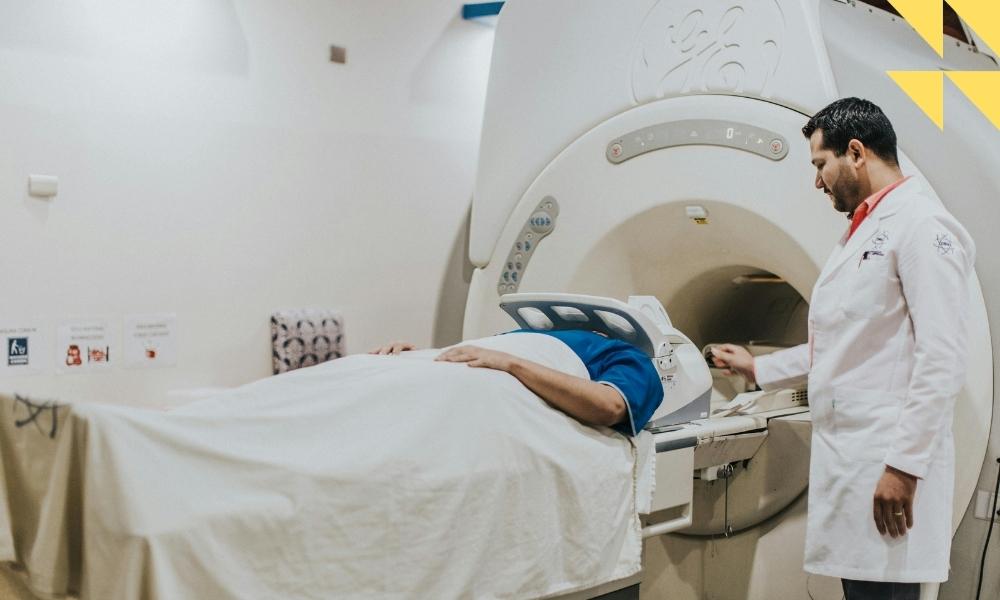
Other Malpractice Issues in Radiology
Beyond misreading a scan, several other issues can give rise to a valid medical malpractice claim in the radiology setting. A failure to recommend follow-up imaging when a finding is ambiguous or concerning can allow a serious condition to progress undetected. Lost imaging studies, incorrect patient identification, and wrong-patient reports can each result in a patient receiving no diagnosis at all, or, worse, someone else’s diagnosis being applied to their care. Poor communication between providers, a failure to compare prior imaging against current studies, and equipment or protocol failures can all contribute to a missed or inaccurate diagnosis, even when the underlying imaging technology itself functioned properly.
These radiology failures can also lead to additional medical negligence, including medication errors caused by an incorrect diagnosis or surgical errors when patients undergo unnecessary procedures or experience delays in receiving the appropriate treatment.
Injuries Caused by Radiology Malpractice Cases
The injuries resulting from a missed or delayed diagnosis in radiology can be devastating and, in many cases, permanent. Patients harmed by radiology errors may experience:
- Cancer progression to a later, harder-to-treat stage
- Permanent disability
- Brain injury
- Paralysis
- Organ damage
- Loss of limb
- Birth injuries related to undetected complications during pregnancy or delivery
- Substantially increased medical expenses tied to treating a condition that was allowed to worsen
These outcomes often leave patients and their families facing not only physical and emotional hardship, but high medical costs and lost income as well.
When Radiology Malpractice Leads to Wrongful Death
In the most devastating cases, radiology malpractice can contribute to a patient’s death. A missed cancer diagnosis, undetected internal bleeding, or failure to identify another life-threatening condition may prevent a patient from receiving timely treatment. When a fatal outcome results from the negligence of a radiologist or other medical professionals, surviving family members may have grounds to file a wrongful death claim.
While no amount of compensation can replace a loved one, families may be able to pursue compensation for losses such as medical bills, funeral and burial expenses, lost financial support, and the emotional impact of their loss. If this was the case for you and your family, a Houston, TX wrongful death attorney like Adam Funk can help provide the careful, compassionate guidance you need to recover maximum compensation and hold all of the responsible parties legally accountable for the substandard care provided.
Understanding the Legal Process for a Radiology Malpractice Lawsuit
Pursuing a successful medical malpractice claim involving radiology errors follows a fairly established legal process. It typically begins with an initial case review, during which an attorney evaluates the facts to determine whether the situation appears to involve genuine medical negligence. From there, a thorough investigation is conducted, gathering imaging studies, medical records, and other documentation relevant to the patient’s injury.
Because Texas law requires a qualified expert to review the case early on, a medical expert review is a critical next step, with a radiologist or other appropriate specialist assessing whether the standard of care was breached. If the case has merit, the attorney will proceed with filing the lawsuit, followed by discovery, during which both sides exchange evidence and information.
Many cases are resolved through negotiations with the healthcare provider’s insurance company, though some proceed to trial if a fair settlement cannot be reached. Texas law also imposes strict filing deadlines for medical malpractice claims, so patients who suspect medical malpractice should consult an attorney as soon as possible to avoid losing their legal rights.
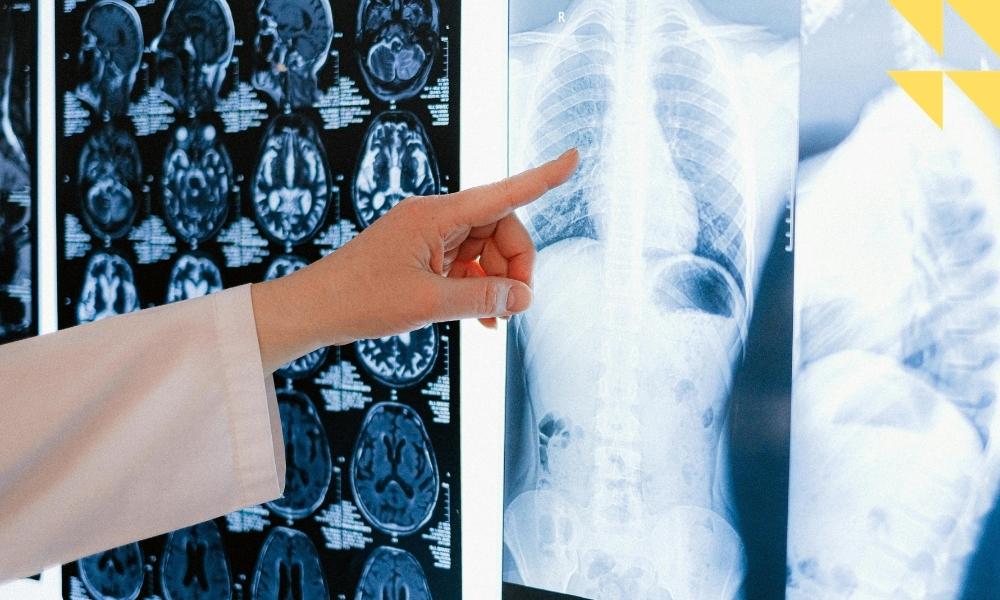
How To Prove a Radiologist’s Negligence
To recover compensation in a radiology malpractice case, you must be able to prove that a healthcare provider failed to meet the accepted standard of care. The first step is establishing a doctor-patient relationship, which shows that the radiologist or other provider owed you a duty of care. Next, you must demonstrate that the doctor’s negligence caused or contributed to your injury, such as by missing a serious condition, delaying a diagnosis, or misinterpreting imaging results. Finally, you must prove that the negligence resulted in measurable damages, including medical expenses, lost income, pain and suffering, or other losses.
Building a successful lawsuit typically requires a thorough review of medical records, imaging studies, and expert testimony from qualified medical professionals. A skilled Houston medical malpractice attorney can investigate what happened, gather the evidence needed to support your claim, and pursue compensation from the parties responsible for your injuries.
Who May Be Held Liable in a Radiology Malpractice Claim?
Radiology malpractice claims often involve more than one potentially liable party, which makes a thorough investigation essential. Depending on the specifics of a case, liability may extend to:
- The radiologist who interpreted the imaging study
- The hospital where the imaging was performed
- Independent imaging centers
- Emergency physicians who relied on the radiology report
- Referring physicians who ordered the imaging
- Medical groups employing the radiologist or treating physicians
- Larger healthcare systems responsible for policies and protocols
Identifying every responsible party is an important part of building a case capable of securing full and fair compensation for medical malpractice victims.
What Compensation May Be Available in Radiology Medical Malpractice Claims?
Patients harmed by radiology malpractice may be entitled to recover compensation covering a wide range of losses. This often includes:
- Past and future medical expenses related to treating the missed or delayed condition
- Costs of future treatment made necessary by the delay in diagnosis
- Lost wages resulting from time away from work
- Reduced earning capacity if the injury affects a patient’s ability to work going forward
- Pain and suffering
- Mental anguish
- Rehabilitation costs
- Wrongful death damages for surviving family members when a radiology error contributed to a patient’s death
An experienced attorney can help evaluate the full scope of both economic losses and non-economic damages available in a particular case.
Radiology Malpractice Settlements vs. Trial Verdicts
Not every radiology malpractice case follows the same path toward resolution. Some radiology malpractice settlements occur before a case ever reaches trial, while others require full litigation before a resolution is reached. Several factors affect the value of a settlement, and every case is different depending on its specific circumstances.
The severity of the patient’s injury plays a significant role, as do that patient’s long-term medical needs going forward. Cases involving catastrophic injuries, permanent disability, or wrongful death typically carry higher potential value than cases involving less severe harm.
The strength of the evidence supporting the claim also matters a great deal; cases backed by clear imaging discrepancies, strong expert testimony, and well-documented medical records are often better positioned for a favorable settlement, while weaker cases may require the added leverage of a trial to secure fair compensation.
How Skilled Radiology Malpractice Lawyers Build Your Case
Successfully proving negligence in a radiology malpractice case requires gathering and analyzing several types of evidence. This typically includes the original imaging studies and radiology reports, allowing an attorney and their medical experts to compare what the imaging actually showed with what was documented. Complete medical records help establish the full timeline of a patient’s treatment, while expert radiologist testimony is essential for establishing that the standard of care was breached and that the breach caused the patient’s injury.
Additional evidence, such as hospital policies, a detailed timeline of treatment, and a thorough standard of care analysis, further supports a strong claim. Skilled radiology malpractice lawyers use all of this evidence together to build the most persuasive case possible on behalf of their client.
Why Choose Funk Law Group as Your Houston Radiology Errors Attorney?
Attorney Adam Funk has extensive experience handling complex medical malpractice claims, including cases involving radiology mistakes, delayed diagnoses, and other medical errors. As a highly skilled and trusted Houston medical malpractice lawyer, he thoroughly investigates the actions of radiologists, physicians, and other medical providers involved in each case, working closely with qualified medical experts to determine whether a healthcare provider’s negligence caused or contributed to a patient’s injuries.
At Funk Law Group, every client receives personalized attention and dedicated legal representation throughout the claims process. The firm also handles all cases on a contingency fee basis, meaning you pay no attorney’s fees unless compensation is recovered on your behalf.
Adam Funk and his legal team remain committed to pursuing the maximum available compensation for clients harmed by negligent medical care, whether through a negotiated settlement or at trial.

Schedule a Free Consultation With an Experienced Houston Radiology Errors Lawyer Today
If you or a loved one suffered serious injuries because of a missed or delayed diagnosis in radiology, don’t wait to seek legal assistance. Evidence can disappear, and Texas filing deadlines can pass quickly, so acting promptly is essential to protecting your legal rights and pursuing the financial support you may be owed.
Contact Funk Law Group for a free consultation with a top medical malpractice lawyer and find out whether you have a valid claim. Simply call 346.501.FUNK or reach out online to get started today.