
Surgical Errors
Houston Surgical Error Lawyer

Experienced Houston Surgical Malpractice Attorney Serving the Entire Metro Area
When a surgical procedure goes wrong due to a preventable error, the consequences for patients and their families can be devastating and permanent. At Funk Law Group, Houston surgical error lawyer Adam Funk represents patients who have been seriously harmed by surgical negligence — from operating room mistakes to postoperative failures — and fights to recover the full compensation they deserve.
If you or someone you love suffered a serious injury or wrongful death due to a surgical error, contact a Houston medical malpractice attorney at Funk Law Group by calling 346.501.FUNK or by sending a message online to schedule a free consultation today.
Surgical Mistakes Can Cause Life-Changing Injuries
Surgery always carries inherent risk, but there is a significant difference between known complications and preventable mistakes. When a surgeon, hospital, or surgical team fails to meet the accepted standard of care, patients can be left with injuries far worse than the condition they came in to treat. Preventable surgical errors can result in permanent disability, the need for additional corrective surgeries, chronic pain, organ damage, infection, and, in the most tragic cases, death.
The consequences extend beyond the physical. Patients who suffer serious surgical injuries often face extended time away from work, mounting medical bills, and profound emotional trauma.
When families are left to cope with the financial and personal toll of an injury that should never have occurred, a knowledgeable and compassionate medical malpractice attorney at Funk Law Group can step in to help.
What is Considered Surgical Malpractice?
Surgical malpractice occurs when a healthcare provider performs (or fails to perform) a surgical procedure in a way that falls below the accepted standard of care, and that failure causes injury to the patient. Not every bad outcome constitutes malpractice; surgery involves genuine risk that patients consent to in advance. The distinction lies in whether the harm resulted from a known and accepted risk or from a negligent act or omission that a reasonably competent provider would not have made.
A surgeon, hospital, or medical team may be legally responsible when a preventable error, such as operating on the wrong site, leaving a foreign object in the body, or failing to respond to post-operative complications, directly causes patient harm. An experienced Houston surgical malpractice attorney can review the full record of care and work with medical experts to determine whether the standard of care was violated and by whom.
Why Surgical Errors Happen
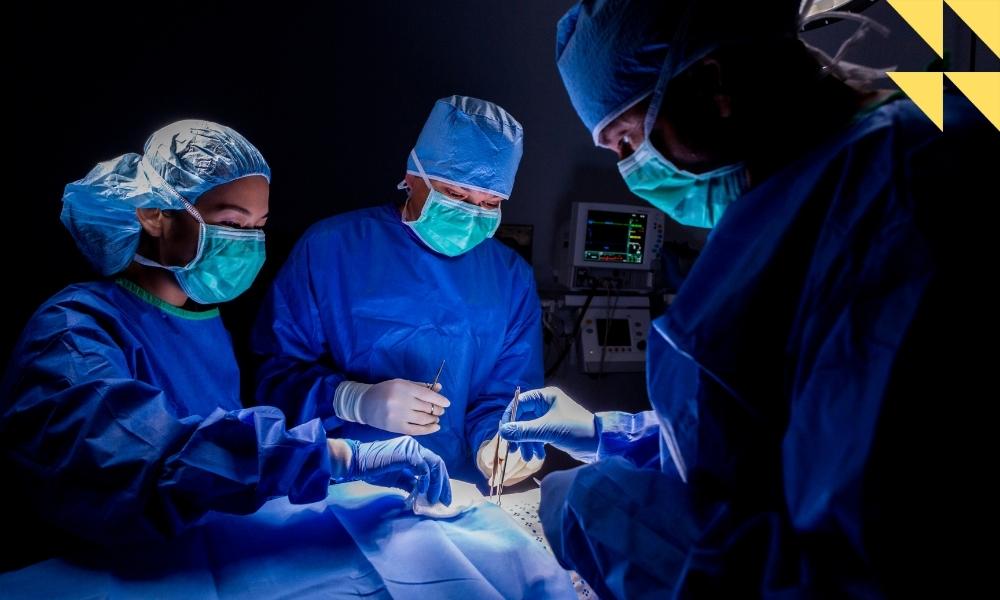
Understanding how surgical errors occur is an important part of building an effective malpractice case. Common contributing factors include:
- Poor Communication Between Surgical Team Members — Breakdowns in communication during the planning or execution of a procedure can lead to catastrophic mistakes, including wrong-site surgeries and missed critical information.
- Inadequate Pre-Operative Planning — Failure to thoroughly plan a procedure, anticipate complications, or verify critical patient information before the first incision creates unnecessary risk.
- Surgeon Fatigue and Rushed Procedures — Overworked surgical teams operating under time pressure are more prone to errors that would not occur under appropriate conditions.
- Failure to Review Patient’s Medical History or Imaging — Overlooking a patient’s prior records, allergies, medications, or diagnostic imaging can lead to decisions that directly harm the patient.
- Hospital Staffing Problems and Unsafe Practices — Understaffed surgical suites, inadequately trained personnel, and systemic institutional failures all contribute to preventable patient harm.
Common Types of Surgical Errors That Lead to Lawsuits
A surgical error claim may arise when a negligent medical professional deviates from the accepted standard of care before, during, or after a procedure, causing serious harm to the patient. These medical malpractice cases can involve a wide range of preventable mistakes tied to medical negligence, many of which may leave patients facing permanent injuries, additional surgeries, or long-term complications.
A Houston surgical error lawyer at Funk Law Group can investigate whether avoidable surgical mistakes contributed to your injuries and help determine who may be legally responsible.





Wrong Site and Wrong Procedure Surgeries
Operating on the wrong body part, performing the wrong procedure, and operating on the wrong patient entirely are among the most egregious and entirely preventable medical errors. These incidents are known in the medical community as “never-events” because they should never occur when proper protocols are followed and typically result from a breakdown in the surgical verification process. Hospitals and surgical centers are required to follow standardized safety checklists, including a pre-operative “time out” in which the entire surgical team pauses to confirm the patient’s identity, the intended procedure, and the correct surgical site. When those steps are skipped, rushed, or poorly documented, a patient scheduled for a right knee procedure may find themselves recovering from surgery on the left, or a patient awaiting an appendectomy may receive an entirely different and unnecessary surgery.
Mix-ups involving patient identity (where two patients with similar names or adjacent scheduling are confused) are also a recognized source of these errors. Violations of surgical consent, including performing a procedure the patient did not authorize or expanding the scope of surgery beyond what was agreed upon without medical necessity, may also give rise to a medical malpractice lawsuit.
Foreign Objects Left Inside the Body
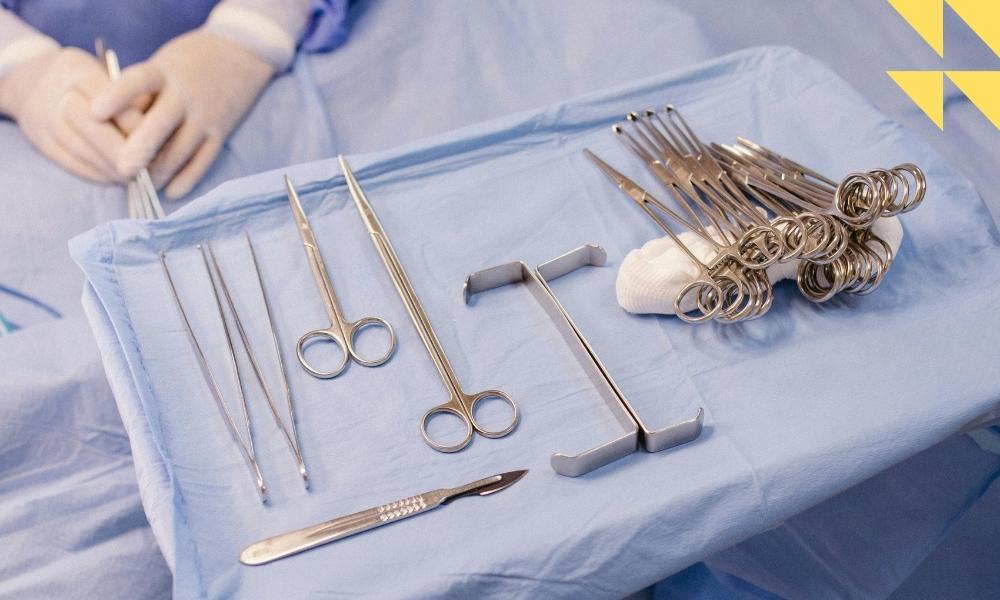
Surgical instruments, sponges, and other medical devices are occasionally left inside a patient’s body after a procedure is closed — an error that is entirely preventable with proper counting protocols and modern detection technology. Operating rooms are required to maintain careful counts of all sponges, instruments, and devices used during a procedure and reconcile those counts before the surgical site is closed. When a count is incorrect, skipped, or documented carelessly under time pressure, retained objects go undetected.
Surgical sponges are the most commonly retained item because they can be difficult to distinguish from surrounding tissue once saturated with blood, though needles, clamps, retractors, and even guidewires have also been documented as retained foreign bodies in reported cases. Once left inside the body, these objects can migrate, erode into surrounding tissue, introduce bacteria, and cause severe infections, internal abscesses, organ damage, and chronic pain that is difficult to attribute to the surgery until imaging finally reveals the cause. Unfortunately, patients may not discover the problem for weeks, months, or even years after the procedure, by which time significant damage may already have occurred.
Anesthesia Errors During Surgery
Anesthesia mistakes are among the most dangerous surgical errors because the consequences can be swift, severe, and irreversible. Administering anesthesia safely requires precise dosing based on the patient’s weight, age, medical history, and current medications, as well as continuous, attentive monitoring throughout the procedure. Here’s why:
- Too little anesthesia can result in anesthesia awareness, a deeply traumatic condition in which a patient regains consciousness and experiences pain during surgery while remaining unable to communicate.
- Too much anesthesia can suppress respiratory function and cardiovascular activity to dangerous levels.
- Failure to review a patient’s full medication list before surgery can result in dangerous drug interactions with anesthetic agents.
- Inadequate airway management or a failure to respond quickly to changes in a patient’s vital signs can cause oxygen deprivation lasting long enough to cause permanent brain damage.
- Overlooking heightened precautions for certain patients (such as those with obesity, sleep apnea, or a history of adverse anesthesia reactions) significantly elevates the risk of a serious event.
These cases often involve not only the anesthesiologist but the broader surgical team and the hospital’s pre-operative screening process. Houston anesthesia malpractice attorney Adam Funk can investigate the case to determine who all played a part in the harm caused.
Nerve Damage and Organ Injuries
Accidental punctures, organ perforations, and internal bleeding caused by improper technique during surgery can result in permanent nerve damage and long-term organ dysfunction with consequences that far outlast the original procedure. Surgeons often operate in close proximity to vital structures like major blood vessels, nerves, the bowel, the bladder, and other organs, and the standard of care requires both technical precision and a thorough understanding of the patient’s specific anatomy, which may vary from textbook descriptions.
Errors are more likely when surgeons proceed too quickly, operate outside their area of training, fail to account for prior surgical scarring or anatomical abnormalities identified in pre-operative imaging, or use minimally invasive techniques without adequate proficiency. A lacerated bile duct during gallbladder surgery, a perforated bowel during abdominal surgery, or a severed nerve during spinal or orthopedic surgery can each trigger a cascade of complications requiring corrective procedures, extended hospitalization, and, in some cases, permanent disability. While it is true that some degree of anatomical variation makes surgery challenging, errors that reflect a departure from accepted technique rather than an unavoidable consequence of a known risk may be actionable as medical malpractice.
Post-Surgical Negligence and Infection Failures
Surgical malpractice does not end when the final suture is placed. The post-operative period is a critical window during which complications that are entirely manageable in their early stages can become life-threatening if missed or ignored. Surgical site infections (while a recognized risk of any procedure) should be identified and treated promptly, yet delays in diagnosis, inadequate wound care, and failure to prescribe appropriate antibiotics when signs of infection are present remain common sources of postoperative negligence. Internal complications such as anastomotic leaks following bowel surgery, hematomas, and deep vein thrombosis also require attentive monitoring and timely intervention.
Patients who are discharged prematurely, whether that’s before their condition is stable and before they or their caregivers have been adequately instructed on warning signs, are at heightened risk of experiencing a serious complication without the clinical support needed to address it. Post-operative negligence also includes failures in handoff communication, where critical information about a patient’s intraoperative course or known risk factors is not effectively conveyed to the nursing staff or covering physicians responsible for their ongoing care. When these failures allow a treatable complication to escalate into sepsis, organ failure, or death, the surgical team and the hospital may share responsibility for the harm.
Houston Surgical Error Attorney for Complex Surgery Injury Claims
Surgical error cases require a thorough medical and legal investigation. That means building a successful claim demands access to pre-operative and post-operative records, consultations with qualified medical experts who can identify exactly where the standard of care broke down, and the legal skill needed to translate complex medical facts into a compelling case for compensation.
Attorney Adam Funk has the experience and resources to handle complex surgical malpractice claims across a wide range of procedures and specialties, including (but not limited to) all of the following:








Gallbladder Surgery Error Lawyer for Bile Duct Injuries
Laparoscopic cholecystectomy (aka gallbladder removal) is one of the most commonly performed surgical procedures, but mistakes can have serious consequences. Negligent damage to the bile duct or nearby organs can cause internal infections, dangerous leakage complications, and the need for extensive corrective surgery. When delayed diagnosis follows the initial procedure, patients may develop sepsis, suffer internal bleeding, or face life-threatening postoperative complications that should have been caught and treated earlier.
Bowel Surgery Claims and Gastrointestinal Surgical Mistakes
Perforated bowel injuries, failure to identify surgical leaks, and post-operative infection and sepsis are serious complications that can arise from negligent gastrointestinal surgery. When surgical teams fail to recognize warning signs or delay emergency treatment, what begins as a correctable complication can escalate into a catastrophic injury or wrongful death.
Bariatric Surgery Malpractice Lawyer in Houston for Weight-Loss Surgery Complications
Weight-loss surgery carries significant risks that are compounded when surgeons and care teams fail to meet the standard of care. Staple line leaks, surgical perforations, malnutrition complications, and inadequate post-operative monitoring are all recognized sources of bariatric surgical negligence. Procedures like gastric bypass and sleeve gastrectomy require precise surgical technique, and errors in execution, failure to address internal bleeding, or inadequate follow-up can result in life-altering injuries or wrongful death claims for families who lost a loved one to a preventable complication. When this happens, Houston bariatric surgery malpractice lawyer Adam Funk can help.
Eye Surgery Malpractice and Vision Loss Injuries
Surgical errors involving the eyes can cause retinal damage, permanent vision loss, and blindness. Delayed treatment of developing complications, improper surgical technique, and infection resulting from poor post-operative management are all recognized sources of ophthalmic malpractice. Surgical errors during LASIK and cataract procedures, including corneal injuries, permanent vision distortion, and infections, can rob patients of the functional vision they sought to improve or preserve. As an experienced eye malpractice attorney in Houston, Adam Funk has the knowledge, skill, and legal resources it takes to hold negligent healthcare providers accountable for such life-altering consequences.
Hysterectomy Malpractice Claims After Surgical Negligence
Negligent hysterectomy cases may involve the wrongful removal of reproductive organs, damage to the bladder or bowel during surgery, or procedures performed without adequate medical justification. Surgical infection complications and the emotional trauma of preventable fertility loss are significant components of these claims. Those who have been harmed by negligent hysterectomy surgery deserve thorough legal representation and accountability.
Appendectomy Malpractice and Delayed Surgical Care
Appendectomy malpractice most commonly involves a misdiagnosed or delayed appendicitis diagnosis that allows the appendix to rupture before emergency surgery is performed. A ruptured appendix can cause life-threatening infection and sepsis, and the consequences of delayed surgical care in these cases are often extremely severe. If you or a loved one suffered serious complications because appendicitis was missed or a necessary appendectomy was unreasonably delayed, you may have a viable malpractice claim.
Houston C-Section Malpractice Lawyer for Birth Injuries to Mothers and Infants
A delayed or improperly performed cesarean delivery can have devastating consequences for both mother and child. When medical providers fail to recognize the signs of fetal distress, hesitate too long before ordering an emergency C-section, or make critical errors in surgical technique during the procedure, the results can include serious birth trauma to the infant, life-threatening maternal complications, and, in the most tragic cases, the loss of a mother and/or newborn that proper care could have prevented.
Severe infection following a negligent C-section, hypoxic brain injuries caused by a delayed delivery decision, and wrongful death claims arising from preventable harm are among the most serious cases Houston birth injury attorney Adam Funk handles — and among the cases where having experienced legal representation makes the greatest difference.
Orthopedic Surgery Malpractice Claims in Houston
Orthopedic surgeons are responsible for a wide range of procedures involving the bones, joints, muscles, tendons, and ligaments, from routine knee and hip replacements to complex spinal surgeries, fracture repairs, and reconstructive procedures. These surgeries are among the most commonly performed in the United States, but also carry significant malpractice risk.
Common orthopedic malpractice claims involve:
- Implant placement errors during joint replacement surgery
- Spinal surgery errors, including damage to the spinal cord, nerve roots, or surrounding vasculature during disc procedures, fusions, or decompression surgeries
- Failure to properly repair a fracture, whether through incorrect reduction, inadequate fixation, or failure to identify all fracture components on pre-operative imaging
- Failure to diagnose a compartment syndrome (a surgical emergency caused by swelling and pressure buildup within a muscle compartment following fracture or trauma)
- Delayed diagnosis of fractures, ligament tears, or infections following orthopedic procedures
- Failure to implement appropriate prophylaxis or treat post-operative deep vein thrombosis and pulmonary embolism
Who May Be Liable in a Surgical Error Lawsuit?
Liability in a surgical malpractice case can extend to multiple parties whose negligence contributed to the harm, and identifying every potentially liable party is one of the most important steps a surgical error attorney can take on a client’s behalf. Under medical malpractice law, responsibility is not limited to the surgeon who performed the procedure. Any healthcare professional whose conduct fell below the accepted standard of care and contributed to the patient’s injury may share legal accountability. In some cases, a hospital’s decision to grant operating privileges to an underqualified surgeon, or its failure to enforce standardized safety checklists, makes the healthcare institution as responsible for the outcome as the individual providers involved.
Potentially responsible parties include the operating surgeon, whose technical decisions and judgment during the procedure are central to most surgical error claims. Anesthesiologists bear independent responsibility for the safe administration and monitoring of anesthesia throughout surgery. Nurses and surgical assistants who participate in the procedure, including those responsible for instrument and sponge counts, patient positioning, and intraoperative monitoring, may also be liable when their errors or omissions contribute to patient harm. Hospitals, surgical centers, and the broader healthcare systems that govern staffing levels, credentialing standards, training requirements, and institutional safety protocols can themselves be held accountable when systemic failures create the conditions in which surgical errors occur.
Thorough investigation of every layer of the care team and everyone involved is essential to ensuring that all responsible parties are held accountable and that the full scope of available compensation is pursued.
What Compensation May Be Available in a Surgical Error Lawsuit?
- MEDICAL EXPENSES AND CORRECTIVE SURGERIES — Compensation may cover emergency treatment, corrective procedures, hospitalization, rehabilitation, ongoing specialist care, and any future medical needs resulting from the injury.
- LOST INCOME AND REDUCED EARNING ABILITY — Patients who miss work during recovery or whose injuries permanently limit their ability to work may seek compensation for past lost wages and diminished future earning capacity.
- PAIN AND SUFFERING DAMAGES — Non-economic damages include physical pain and suffering, mental anguish and emotional distress, loss of enjoyment of life, and the long-term psychological impact of a serious surgical injury.
- PERMANENT DISABILITY AND REHABILITATION COSTS — Patients with permanent impairments may require ongoing therapy, assistive equipment, home modifications, and long-term care — all of which should be accounted for in any claim.
- WRONGFUL DEATH DAMAGES FOR FAMILIES — When a surgical error results in death, surviving family members may pursue compensation for funeral expenses, loss of financial support, and loss of companionship.
Over Half a Million Recovered for Surgical Malpractice Victim
Adam Funk helped a patient recover $600,000 after a surgical error during a gallbladder removal procedure led to serious complications. The mistake caused peritonitis, a severe abdominal infection, and required additional revision surgery to address the resulting damage. The recovery helped compensate the patient for medical expenses, pain and suffering, lost income, and the ongoing effects of the preventable injury.
Funk Law Group's Successful Surgical Error Case Results
Patients trust surgeons and medical professionals to provide safe, appropriate care. When preventable surgical errors lead to serious injuries, additional procedures, or lifelong complications, victims may have the right to pursue compensation. Adam Funk has successfully represented individuals harmed by surgical negligence, and the case results below highlight examples of recoveries obtained for clients. Every claim involves unique facts, and prior results do not guarantee future outcomes.
$600,000
Surgical Error During Gallbladder Removal resulting in Peritonitis and Revision Surgery
Severe Burns Following Negligent Liposuction
Our firm represented a woman in her 40s who underwent abdominal liposuction in Houston, Texas, expecting a safe cosmetic procedure and an improved quality of life. Instead, due to the negligence of her plastic surgeon, she suffered severe burns to her abdomen and surrounding areas. The injuries required extensive reconstructive treatment, multiple medical procedures, and a lengthy recovery process. Beyond the physical pain, our client endured significant emotional distress as she coped with the permanent effects of an injury that should never have occurred.
Result: Confidential settlement for the full limits of the surgeon's medical malpractice insurance policy.
Negligent Neck Surgery Causing Permanent Nerve Injury
Our firm represented a man in his late 30s who underwent surgery in New Mexico for the removal of a cyst in his neck. During the procedure, the surgeon failed to properly identify and protect a critical nerve structure. As a result, our client suffered permanent nerve damage that caused paralysis and significant weakness in his shoulder and upper extremity. What should have been a routine procedure instead resulted in lifelong physical limitations that affected both his career and daily life. Our firm pursued the matter aggressively and secured compensation for the devastating injuries caused by the surgeon's negligence.
Result: Confidential six-figure settlement.
Negligent Cesarean Section Causing Eyelid Laceration of Newborn
Our firm represented a newborn born by cesarean section. During the procedure, the surgeon negligently lacerated the upper eyelid of the newborn. Due to the laceration, plastic surgery was required to repair the eyelid.
Result: Confidential six-figure settlement.
Incorrect Placement of Artificial Knee Resulted in Second Knee Replacement Surgery
Our firm represented a 40-year-old woman who underwent surgery to replace her right knee. A knee surgery requires meticulous measuring so that the component parts align perfectly for steady gait. The surgeon, a young sports medicine physician who was unfamiliar with these surgeries, did not measure exactly. The lack of care caused the knee to be misaligned. The offset caused our client to be in severe pain when she could start walking again. A quick radiology image showed that the knee replacement was done incorrectly and needed to be redone. After a second reconstructive surgery, our client was able to walk correctly again and without pain.
Result: Confidential six-figure settlement before trial.
Incorrect Placement of Artificial Hip Resulted in Three Hip Surgeries
Our firm represented a 40-year-old woman who underwent surgery to replace her right hip. A hip surgery requires meticulous measuring so that the component parts align perfectly for steady gait. The surgeon did not measure exactly. The lack of care caused the hip to be misaligned. The offset caused our client to be in severe pain when she could start walking again. A quick radiology image showed that the hip replacement was done incorrectly and needed to be redone. The negligent cuts from the first hip surgery caused our client to undergo three additional hip surgeries to get the placement correct.
Result: Confidential six-figure settlement before trial.
Unauthorized Practice of Medicine Results in Botched Plastic Surgery
Our firm represented a 33 year old woman who underwent plastic surgery in Houston, Texas. The woman was assured by the “doctor” that he had completed many of these procedures before her. After the surgery, our client’s results were horrific. She later found out that her “doctor” was actually a surgical assistant holding himself out as a surgeon. The individual was arrested is still fighting his criminal conviction. Our firm sued the individual and the clinic that employed him for the costs of a reconstructive surgery and for hedonic damages.
Result: Confidential six-figure settlement without litigation.
Surgical Error Lawsuit Settlements and Case Value Factors
The value of a surgical malpractice claim depends on the specific facts and circumstances of each case. Factors that typically influence settlement amounts and jury verdicts include the severity and permanence of the injury, the extent of current and future medical expenses, the patient’s lost income and reduced earning capacity, the degree of pain and suffering caused, and whether permanent disability affects the patient’s independence and quality of life.
There is no standard formula, but an experienced Houston medical malpractice lawyer like Adam Funk can evaluate your case and give you a better understanding of what the value of your case might be.
Why You Need a Skilled Houston Surgery Error Attorney ASAP
After a surgical injury, time is not on your side, and neither are the hospital’s legal team and insurance adjusters, who begin building their defense the moment a complication is documented. Medical records, surgical logs, operative reports, and other critical evidence can become significantly more difficult to obtain as time passes, and in some cases, documentation is altered, incomplete, or lost entirely before a patient even realizes they have a viable claim. Hospitals and healthcare systems have substantial resources dedicated to protecting their interests in medical malpractice claims, and an unrepresented patient is at a serious disadvantage from the start.
Without an experienced Houston surgical error lawyer who understands how to build and present a compelling surgical malpractice case, injured patients are far less likely to reach a fair settlement that genuinely reflects the full scope of their damages. If you believe that medical negligence caused your surgical injury, do not wait to seek legal guidance. The decisions you make in the weeks following a surgical error can have lasting consequences for your ability to pursue justice and recover compensation.
Statutes of Limitations for Surgery Malpractice Claims in Texas
In Texas, medical malpractice cases are generally subject to a two-year statute of limitations. This deadline typically begins running from the date the negligent act occurred or, in some cases, from when the patient discovered or should have discovered the injury. Missing this deadline almost always means forfeiting the right to pursue compensation, regardless of how strong the underlying claim may be. That’s why acting quickly is not just strategic, it’s essential.
Meet Adam Funk: A Surgical Error Lawyer Houston Patients Trust
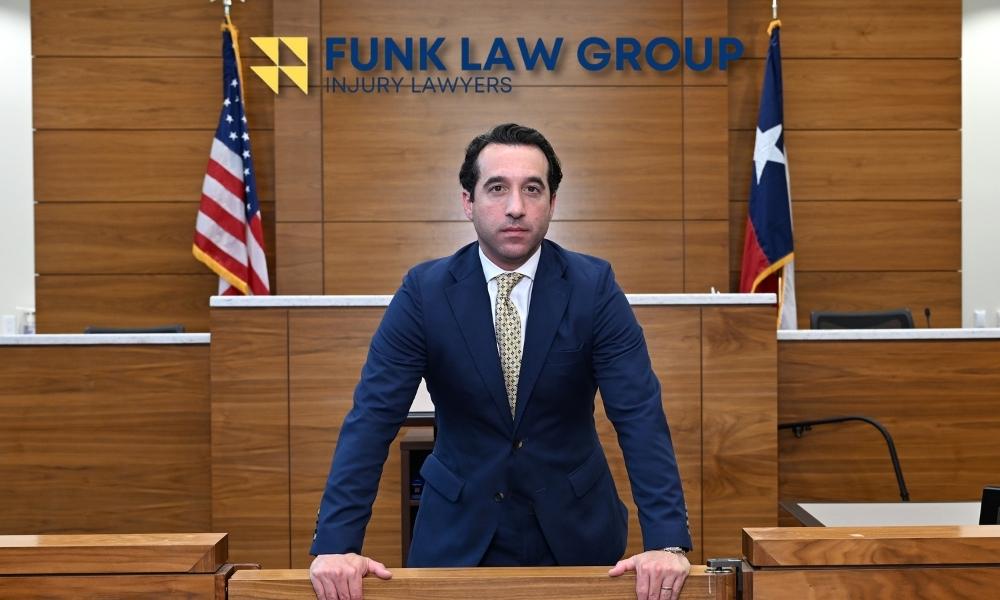
Adam Funk is a Houston trial attorney focused on complex medical malpractice and catastrophic injury claims. Adam’s background in personal injury trial law means that every case he takes is built from the ground up with litigation in mind, not just settlement. That preparation matters because insurance companies and hospital defense teams respond very differently to an attorney they know is ready and willing to take a case in front of a jury.
In surgical error cases, Adam investigates operative reports, surgical logs, nursing notes, and the complete record of perioperative care in detail, leaving no stone unturned in identifying exactly where and how a surgeon failed to meet the accepted standard of care. He consults with qualified medical experts across the relevant specialties to build a clear, well-supported causation narrative and a comprehensive picture that reflects not just the immediate harm, but the full long-term impact of the injury on the patient’s life, health, and financial security.
Adam negotiates assertively on behalf of every client, and when those negotiations do not produce a result that genuinely reflects what the patient is owed, he prepares the case for trial without hesitation. When the stakes are this high, you need a law firm you can trust. That law firm is Funk Law Group.

Speak With a Houston Surgical Malpractice Lawyer at Funk Law Group Today
A preventable surgical error can change your life permanently. If you or someone you love was seriously harmed by surgical negligence in Houston, Texas or anywhere in the surrounding metro area, you deserve experienced legal representation from an attorney who will take your case as seriously as you do.
Do not wait. Texas law applies filing deadlines, and early action preserves evidence and protects your rights. Contact Funk Law Group today by calling (346) 501-FUNK or reaching out through the online contact form to schedule your free consultation today.