
Bariatric Surgery Errors
Bariatric Surgery Malpractice Lawyer Houston, TX

Experienced Houston Malpractice Attorney Representing Victims of Preventable Bariatric Surgery Errors
Bariatric weight loss surgery can involve serious complications even when a surgeon and surgical team follow accepted medical standards, which is part of what makes these procedures significant, life-altering decisions for patients. However, not every complication is simply an unavoidable risk. A medical malpractice claim may arise when a surgeon or medical team makes a preventable mistake, fails to identify a complication in time, or delays treatment that a patient urgently needed.
At Funk Law Group, a renowned Houston medical malpractice law firm, we represent patients injured by surgical negligence throughout Houston and across Southeast Texas, including patients harmed during or after bariatric procedures such as gastric bypass, gastric banding, and sleeve gastrectomy. If you experienced an unexpected complication following weight loss surgery, it may be worth having your case reviewed. Call 346.501.FUNK or use our online contact form to schedule a free consultation with an experienced medical malpractice attorney today.









What Is Bariatric Surgery Malpractice?
Bariatric surgery malpractice occurs when a healthcare provider fails to meet the applicable standard of care, and that failure causes additional harm to the patient.
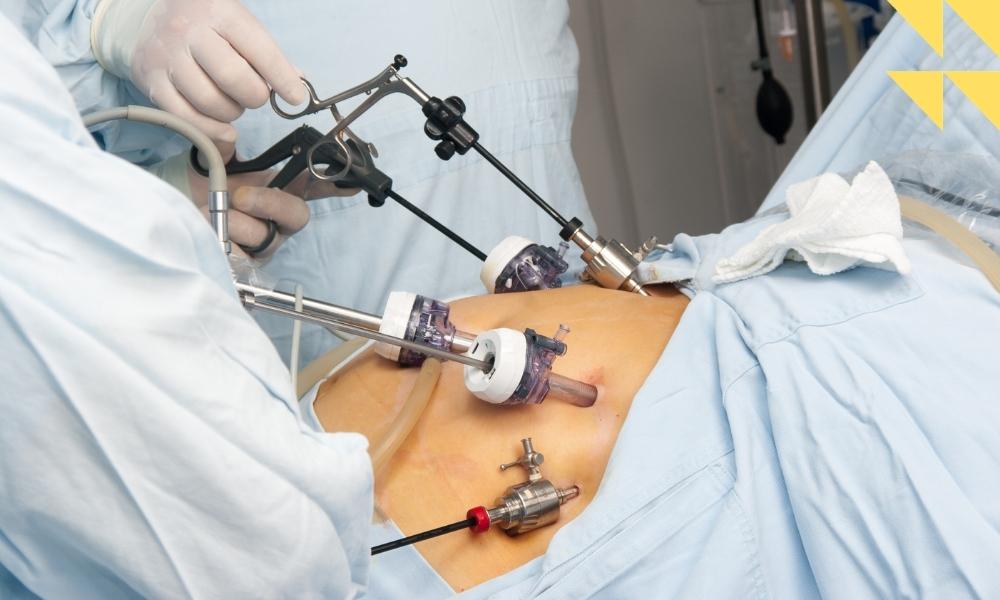
Common bariatric procedures include Roux-en-Y gastric bypass, sleeve gastrectomy, and gastric banding, each with its own technique, risk profile, and recovery expectations. Malpractice can occur at multiple points in a patient’s care: before surgery, during preoperative planning and patient evaluation, during the operation itself, or throughout post-operative care when monitoring and response to complications become critical. When medical malpractice occurs at any stage of the process, injured victims and their families may be able to pursue compensation through a medical malpractice lawsuit.
Common Types of Bariatric Surgery Malpractice Claims
Bariatric surgery malpractice claims tend to fall into a handful of broad categories. This includes poor surgical technique, injury to nearby organs, missed leaks, uncontrolled bleeding, medication errors, delayed treatment of infection, inadequate post-operative monitoring, and improper or premature discharge. The sections below examine the most serious of these complications individually.
Anastomotic and Staple-Line Leaks After Bariatric Surgery
Leaks can develop at the surgical connection points created during gastric bypass or along the staple line in a sleeve gastrectomy. Warning signs of a leak often include worsening abdominal pain, fever, an elevated heart rate, low blood pressure, or other signs of infection. Malpractice claims in this area typically focus on whether the surgical team recognized these symptoms, ordered appropriate testing to investigate them, and intervened promptly once a leak was suspected.
Delayed Diagnosis of a Bariatric Surgery Leak
How quickly a surgical team responds to a suspected leak can matter as much as the original surgical technique. Delayed diagnosis cases often involve symptoms that were dismissed or downplayed, testing that was delayed, or abnormal findings that weren’t acted on. Left untreated, a leak can contribute to infection, sepsis, the need for additional surgery, and a significantly longer hospitalization – outcomes that timely intervention may have prevented.
Internal Bleeding After Bariatric Surgery
Post-operative hemorrhage can present through abnormal vital signs, a falling blood count, abdominal symptoms, or other clinical findings that require close attention in the hours and days after surgery. Malpractice in this category may involve a failure to identify active bleeding, a delayed blood transfusion, or a failure to return the patient to surgery when the situation called for it.
Organ and Bowel Injuries During Weight-Loss Surgery
Accidental injury to the bowel, spleen, liver, blood vessels, or other nearby structures can occur during bariatric surgery. An injury like this may be a recognized surgical complication rather than automatic evidence of malpractice, so the key question remains how the injury occurred and, just as importantly, whether the surgical team identified and treated it appropriately once it happened.
Bowel Obstruction and Bariatric Surgery Malpractice
Post-operative bowel obstruction, including internal hernias, twisting, or narrowing at a surgical site, is yet another recognized complication of bariatric surgery, particularly after gastric bypass. However, the delayed recognition of such an obstruction can lead to tissue damage, perforation, infection, and the need for emergency surgery that might have been avoided with earlier intervention.
Bariatric Surgery Infections and Sepsis
Post-operative infections that go untreated can progress to sepsis, a life-threatening condition. Potential malpractice issues in this area include poor infection control practices, a failure to identify an underlying leak causing the infection, delayed administration of antibiotics, a failure to investigate abnormal vital signs, or a premature discharge that sent a patient home before an infection was adequately addressed.
Blood Clots and Pulmonary Embolism After Bariatric Surgery
Deep vein thrombosis (DVT) and pulmonary embolism are recognized risks following bariatric and other major surgeries. A malpractice investigation in this area often examines whether the surgical team performed an appropriate risk assessment, used recommended preventive measures, monitored the patient post-operatively, and responded appropriately to symptoms suggesting a clot had formed.
Respiratory and Anesthesia Complications
When a healthcare professional fails to properly monitor oxygen levels, manage airway complications, or respond promptly to anesthesia errors during weight loss procedures, the results can be devastating – from brain injury due to oxygen deprivation to fatal cardiac events. When these complications stem from negligence rather than an unavoidable surgical risk, patients and families may have grounds for a medical malpractice claim. As your Houston anesthesia error attorney, Adam Funk can help determine whether the anesthesiologist or surgical team deviated from the accepted standard of care.
Nerve Damage and Positioning Injuries During Bariatric Surgery
Bariatric procedures can take considerable time, and how a patient is positioned throughout a lengthy surgery matters. Improper positioning can potentially cause nerve compression or related injuries. A malpractice review in this area may examine whether the surgical team used appropriate positioning, padding, and monitoring given the patient’s condition and the length of the procedure.
Nutritional Complications After Bariatric Surgery
Bariatric weight loss surgery changes how the body absorbs vitamins and nutrients, which is why appropriate follow-up care typically includes monitoring for nutritional deficiencies and related metabolic complications. These medical malpractice cases may involve inadequate post-operative monitoring, failure to recognize developing deficiencies, or failure to treat complications once they become apparent.
Retained Surgical Instruments
Retained surgical instruments (i.e., sponges, clamps, or other tools mistakenly left inside a patient’s body after surgery) represent another clear-cut form of medical negligence that can support a medical malpractice lawsuit. These surgical errors are widely considered “never events” in the medical community, since standard counting protocols exist specifically to prevent them, and when medical professionals fail to follow those protocols, patients are often left to suffer infections, internal injuries, and additional surgeries to correct the mistake.
Failure to Monitor a Patient After Bariatric Surgery
Post-operative observation is often central to bariatric surgery malpractice cases, because many serious complications first reveal themselves through subtle changes rather than dramatic symptoms. Monitoring typically includes heart rate, blood pressure, oxygen levels, abdominal symptoms, laboratory results, fluid balance, and signs of infection. Changes in these measurements can provide an early warning of a serious complication, but only if someone is watching closely enough to catch them.
Premature Discharge After Bariatric Surgery
In some cases, a patient is sent home despite symptoms or abnormal findings that should have prompted further evaluation before discharge. Discharge instructions, vital signs at the time of discharge, laboratory results, and any documented complaints from the patient can all become important evidence in evaluating whether a discharge decision was appropriate.
Failure to Respond to Post-Operative Complications
Patients sometimes call or return to the hospital after surgery with worsening pain, vomiting, fever, shortness of breath, dizziness, or other concerning symptoms. Dismissing these complaints without adequate investigation, failing to order appropriate testing, or delaying emergency evaluation when the surgical team fails to take a patient’s symptoms seriously are all forms of post-surgical negligence.

Can Bariatric Surgery Malpractice Cause Permanent Injuries?
Depending on the nature and severity of the complication, bariatric surgery malpractice can result in permanent injuries, including organ damage, chronic digestive problems, nerve injury, loss of bowel tissue, neurological harm (including brain injury from prolonged oxygen deprivation), permanent disability, and long-term nutritional complications requiring ongoing management.
Permanent injuries can significantly affect a patient’s future medical needs, and as a result, the value of a malpractice claim, since future medical expenses and long-term care needs often become a central part of the case.
Wrongful Death After Bariatric Surgery Malpractice
In the most serious cases, untreated bleeding, sepsis, pulmonary embolism, anesthesia complications, or another preventable event can lead to a patient’s death. When negligent care during weight loss surgery contributes to a fatal outcome, Texas law allows surviving family members to seek compensation through a wrongful death claim.
If this was the case for you and your family, our Houston wrongful death lawyers at Funk Law Group can help explain your legal options, guide you through the process, and fight for your right to receive maximum compensation for the devastating loss you’ve suffered at the hands of a negligent healthcare provider.

Who May Be Responsible for Bariatric Surgery Malpractice?
Responsibility for bariatric surgery malpractice depends on where the breakdown in care occurred. Potential parties may include:
- The bariatric surgeon;
- An anesthesiology provider;
- Nurses;
- The hospital or surgical center as a healthcare institution;
- Emergency physicians who treated the patient after discharge; or
- Other medical professionals involved in post-operative care.
It’s a mistake to assume that every adverse outcome rests solely with the operating surgeon. In many cases, the more significant failure occurred in post-operative monitoring or the response to a developing complication, which may point to a different potentially liable party altogether.
How Do You Prove Bariatric Surgery Malpractice?
Proving a bariatric surgery malpractice claim generally requires answering several key legal questions: What standard of care applied to the patient’s treatment? Did the provider fail to meet that standard? Did that failure cause additional harm beyond the patient’s underlying condition and the inherent risks of the procedure? What losses resulted from that harm?
Medical records, including the surgical record, anesthesia records, nursing notes, and post-operative monitoring data, are central to answering these questions. Review by qualified medical experts familiar with bariatric surgery and post-operative care is typically necessary to establish what should have happened and how the patient’s treatment departed from it.

Compensation in a Bariatric Surgery Malpractice Claim
Patients harmed by bariatric surgery malpractice may be able to recover compensation for the financial, physical, and emotional toll that comes with a preventable surgical injury. Potential damages include:
- Past and future medical bills
- Additional medical treatment, including corrective surgery
- Hospitalization
- Rehabilitation
- Lost income
- Reduced future earning capacity
- Physical pain and suffering
- Emotional distress and mental anguish
Case value depends heavily on the severity and permanence of the injury. A patient who required one additional corrective procedure will generally have a different case value than a patient left with permanent organ damage or a chronic condition requiring lifelong management.
When Should You Contact a Bariatric Surgery Malpractice Lawyer?
Bariatric surgery involves major changes to the digestive system and carries significant risks, even when the procedure is performed correctly. However, legal review may be appropriate when a patient experiences an unexpected emergency, a repeat or corrective surgery, a prolonged hospitalization, organ damage, a severe infection, chronic pain, or a permanent injury following a weight-loss procedure.
The medical timeline often matters just as much as the initial surgical outcome. In some cases, the issue is that the surgeon failed to perform the procedure properly. In others, the surgical team may have missed signs of a developing complication or delayed treatment until the patient suffered greater harm.
If you experienced any of these outcomes after gastric bypass, sleeve gastrectomy, gastric banding, or another bariatric procedure, it may be worth having a Houston surgical error lawyer review your medical history and records.

Why Choose Adam Funk As Your Bariatric Surgery Malpractice Lawyer in Houston?
When a bariatric surgery goes wrong, you need an attorney who truly understands medical malpractice law and what it takes to prove medical negligence actually occurred, not just a general practice lawyer taking on an unfamiliar case. Adam Funk has dedicated his career to handling medical malpractice cases, giving him the depth of knowledge needed to build strong surgical error claims for patients who suffered serious injuries from procedures performed by those they trusted with their care.
When negligence on behalf of a bariatric surgeon or their medical staff causes a patient’s injury and leads to severe pain, permanent complications, significant emotional distress, or worse, having a skilled bariatric malpractice lawyer who genuinely understands the medical and legal terrain can make all the difference in the outcome of a case.
Choosing the right attorney means choosing someone who will guide you through every step of the legal process with both skill and compassion. Attorney Adam Funk has built a reputation in Houston for taking on hospitals and healthcare providers directly, holding them accountable when medical negligence leads to devastating harm.
If you or a loved one has suffered because of a preventable error during a bariatric procedure, Funk Law Group offers the experience, dedication, and trial-tested advocacy needed to pursue the compensation you deserve.

Schedule a Free Consultation With a Houston, TX Bariatric Surgery Malpractice Attorney at Funk Law Group
If you or a loved one has suffered due to preventable surgical errors during a bariatric procedure, don’t wait to seek the answers and accountability you deserve. A skilled medical malpractice lawyer can help gastric sleeve or gastric bypass patients facing unexpected complications understand their legal options and pursue the compensation they need to move forward.
Call 346.501.FUNK or use our online contact form to schedule a free case evaluation with a Houston bariatric surgery malpractice attorney at Funk Law Group today.