
Intracranial Hemorrhage
Houston Intracranial Hemorrhage Birth Injury Lawyer
Experienced Intracranial Hemorrhage Attorney for Birth Injury Victims in the Houston Metro Area
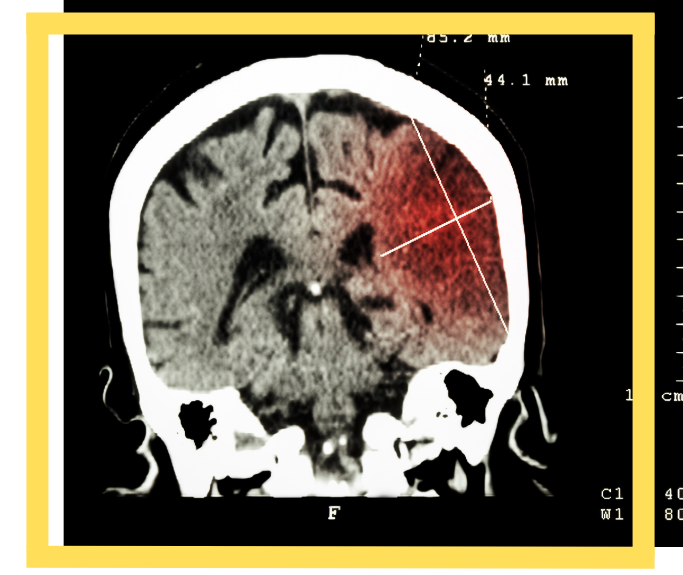
Intracranial hemorrhage is a broad medical term referring to bleeding within the skull, and it can affect a newborn’s brain in several different locations, each with different implications for the child’s health and development. Premature babies face particular risk because the blood vessels in a developing brain are more prone to rupture, making intraventricular hemorrhage significantly more common in babies born early.
It’s important for parents to understand that a neonatal brain bleed does not automatically mean malpractice occurred. A birth injury claim may arise when a negligent delivery technique, inadequate fetal or neonatal monitoring, untimely or improper resuscitation, a delayed diagnosis, or substandard neonatal care either caused the bleeding or allowed a preventable degree of brain damage to occur or worsen.
Funk Law Group is a Houston medical malpractice and birth injury firm representing families throughout Southeast Texas whose children suffered a brain hemorrhage connected to labor, delivery, or neonatal care. Call 346.501.FUNK or use our online contact form to schedule a free consultation with Adam Funk today.









What Is Intracranial Hemorrhage?
Intracranial hemorrhage is a broad term describing bleeding that occurs somewhere inside the skull. Depending on its exact location, the bleeding may occur within brain tissue itself, within the brain’s ventricles (the fluid-filled spaces deep within the brain), or within one of the spaces surrounding the brain, such as the space beneath the dura mater or arachnoid membrane.
Several factors affect a newborn’s prognosis after intracranial hemorrhage, including the location of the bleeding, its severity, the baby’s gestational age at birth, and whether the bleed is accompanied by other forms of brain injury. Because these factors vary so widely from case to case, no two intracranial hemorrhage diagnoses carry quite the same prognosis.
Types of Intracranial Hemorrhage in Newborns
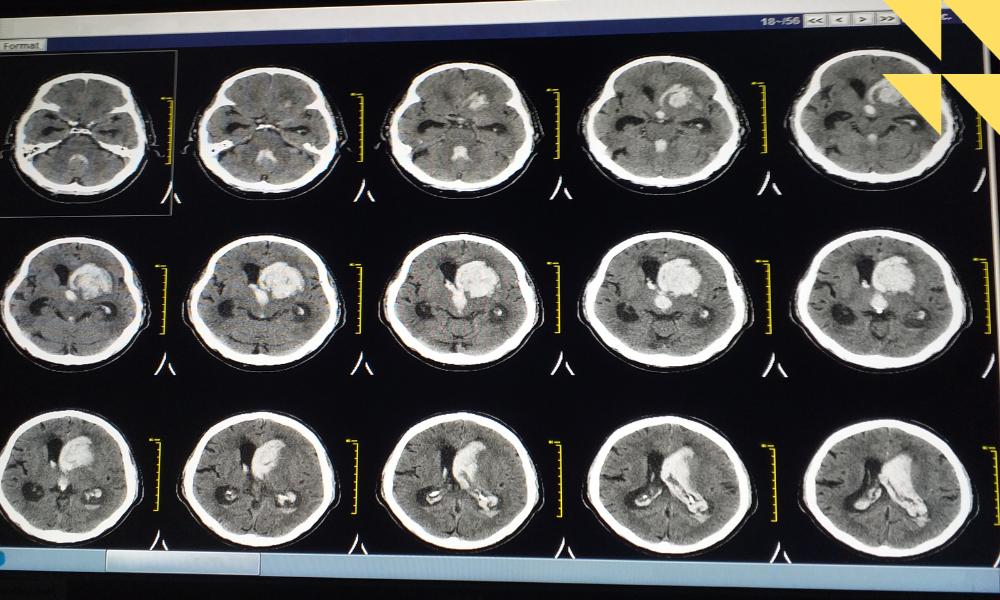
A neonatal brain bleed occurs in several distinct intracranial spaces, and its clinical significance varies considerably depending on where it occurs and how extensive it is. The principal forms that commonly appear in neonatal medical records include intraventricular hemorrhage, intracerebral (or intraparenchymal) hemorrhage, subdural hemorrhage, and subarachnoid hemorrhage.
Intraventricular Hemorrhage
Intraventricular hemorrhage (IVH) involves bleeding into the brain’s ventricular system and is particularly associated with premature infants, whose fragile germinal matrix blood vessels are prone to rupture. IVH is commonly classified as Grades 1–3 (what was historically called Grade IV IVH is now generally described as periventricular hemorrhagic infarction, or PVHI, a separate parenchymal injury often associated with severe IVH). The grading scale is based on the extent of bleeding and whether it has caused ventricular enlargement or extended into surrounding brain tissue. More severe grades of IVH raise greater concern for complications such as hydrocephalus (a buildup of cerebrospinal fluid within the brain’s ventricles) and longer-term neurological injury.
Cerebellar Hemorrhage
Cerebellar hemorrhage is bleeding in the cerebellum, the part of the brain at the back of the skull that helps control movement, balance, and coordination and also plays a role in cognitive and behavioral development. It occurs most often in premature infants, particularly those born before 32 weeks, but it can also result from traumatic or difficult deliveries in full-term babies. Because the cerebellum sits deep in the posterior fossa, it is poorly visualized through the anterior fontanelle, the soft spot on top of the head that is used for most routine newborn head ultrasounds. As a result, smaller cerebellar bleeds can go undetected unless clinicians add views through the mastoid fontanelle behind the ear or order an MRI, which is far more sensitive for identifying these injuries.
Intracerebral Hemorrhage
This type of hemorrhage involves bleeding directly within brain tissue itself, rather than within the ventricles or surrounding spaces. The specific location and extent of an intracerebral or intraparenchymal hemorrhage can significantly affect which neurological functions are impacted, since different regions of the brain govern different physical and cognitive abilities.
Subdural Hemorrhage
Subdural hemorrhage involves bleeding between the layers of tissue surrounding the brain, specifically between the dura mater and the arachnoid membranes (called the subdural space). In some newborns, birth trauma (meaning a traumatic or difficult delivery) may become a relevant factor in evaluating how a subdural hemorrhage occurred, though not every subdural hemorrhage is trauma-related.
Subarachnoid Intracranial Hemorrhage
Subarachnoid hemorrhage involves bleeding into the space surrounding the brain beneath the arachnoid membrane, rather than bleeding directly within brain tissue. This distinction in location can affect both the clinical presentation and the long-term implications of the bleed.
Is Intracranial Hemorrhage a Stroke?
Certain intracranial hemorrhages (particularly intracerebral and subarachnoid hemorrhages) are recognized as forms of hemorrhagic stroke. However, intracranial hemorrhage is a broader category than hemorrhagic stroke. Neonatal intracranial bleeding can also include intraventricular hemorrhage, subdural bleeding, and other patterns that aren’t necessarily classified as stroke in the traditional sense, even though they involve bleeding within the skull and can cause similar types of brain injury.

When Does Neonatal Intracranial Hemorrhage Occur?
Bleeding within a baby’s brain necessitates prompt evaluation, as several factors can contribute to it, and identifying the cause quickly can affect treatment decisions. Contributing factors can include prematurity, fragile cerebral blood vessels, fluctuations in blood pressure, oxygen-deprivation-related injury, coagulation (blood clotting) problems, and forces related to a traumatic delivery. Full-term newborns can experience intracranial hemorrhage as well, though the underlying mechanisms and risk factors often differ from those seen in premature babies.
Newborn Intracranial Hemorrhage After Labor and Delivery
When a hemorrhage is identified in an infant’s brain after birth, the labor and delivery record often becomes an important piece of evidence in determining when the bleeding likely occurred. Relevant records can include fetal heart rate monitoring strips, delivery notes describing how the birth proceeded, Apgar scores, neonatal resuscitation records, cord blood testing, NICU admission records, and brain imaging studies.
A thorough investigation from a skilled Houston birth injury lawyer like Adam Funk should work to distinguish a hemorrhage that occurred spontaneously or as a result of prematurity from one that may reflect a preventable injury connected to labor, delivery, or immediate newborn care. These are very different findings with very different legal implications.
Fetal Intracranial Hemorrhage During Pregnancy
Brain bleeding can, in some cases, occur before birth entirely and may be identified through prenatal ultrasound or fetal MRI during pregnancy. Current medical literature recognizes several possible fetal hemorrhage patterns and a fairly broad range of potential underlying causes, from maternal conditions to fetal vascular abnormalities.
Prenatal imaging, the mother’s medical history, any identified fetal conditions, and subsequent neonatal findings after birth can all help a medical investigation determine roughly when the bleeding occurred — a question that often matters a great deal in evaluating a potential claim.

Causes of Intracranial Hemorrhage in Newborn Babies
Several medical, delivery-related, and developmental factors may contribute to infant brain bleeds, and the cause can differ depending on the type and location of the hemorrhage. Potential causes include:
- Premature Delivery: Premature infants have fragile blood vessels in the developing brain. This makes them more susceptible to intraventricular and germinal matrix hemorrhages.
- Reduced or Disrupted Blood Flow: Changes in blood flow to the brain, including periods of low oxygen or unstable blood pressure, may damage delicate vessels and increase bleeding risk.
- Difficult Vaginal Delivery: A prolonged or traumatic vaginal delivery may place significant pressure on a newborn’s head. In some circumstances, this can contribute to bleeding within or around the brain.
- Improper Instrumental Delivery: During a forceps or vacuum-assisted delivery, traction and pressure applied to the infant’s head may increase the risk of certain birth-related head injuries and hemorrhages.
- Breech Delivery: A difficult breech delivery can place additional stress on an infant’s head and neck, particularly when complications occur during delivery.
- Blood-Clotting Problems: Low platelet levels, clotting disorders, or vitamin K deficiency can interfere with normal clot formation and increase the likelihood of bleeding.
- Infection or Inflammation: Serious newborn infections may affect blood vessels, clotting, or circulation and increase the risk of intracranial bleeding.
- Abnormal Blood Vessels: Congenital vascular abnormalities can make vessels inside the brain more prone to rupture, even without significant delivery trauma.
An intracranial hemorrhage can also occasionally occur after an apparently normal delivery. The presence of a brain bleed does not automatically establish that delivery complications or negligence caused the injury. However, when risk factors or warning signs are present, medical professionals must act quickly by using ultrasound, CT (computed tomography) imaging, MRI (magnetic resonance imaging), neurological examinations, and laboratory testing to determine the location and possible cause of the bleeding and address it promptly.
Traumatic Intracranial Hemorrhage During Birth
In some cases, excessive or inappropriate force during delivery may warrant closer investigation. Potential concerns can include a difficult or prolonged extraction, complications during an instrumental delivery involving forceps or vacuum assistance, excessive twisting or traction applied to the baby’s head as it passed through the birth canal and the mother’s pelvis, or other traumatic events during a vaginal birth.
Nontraumatic Intracranial Hemorrhage in Newborns
Hemorrhage can also arise without any mechanical trauma at all. Nontraumatic causes can include prematurity, underlying coagulation disorders, infection, congenital vascular abnormalities, and circulatory instability in the newborn period. Keeping this broader picture in view is important for evaluating any specific case fairly, as not every newborn hemorrhage traces back to how the delivery itself was handled.
Risk Factors for Intracranial Hemorrhage
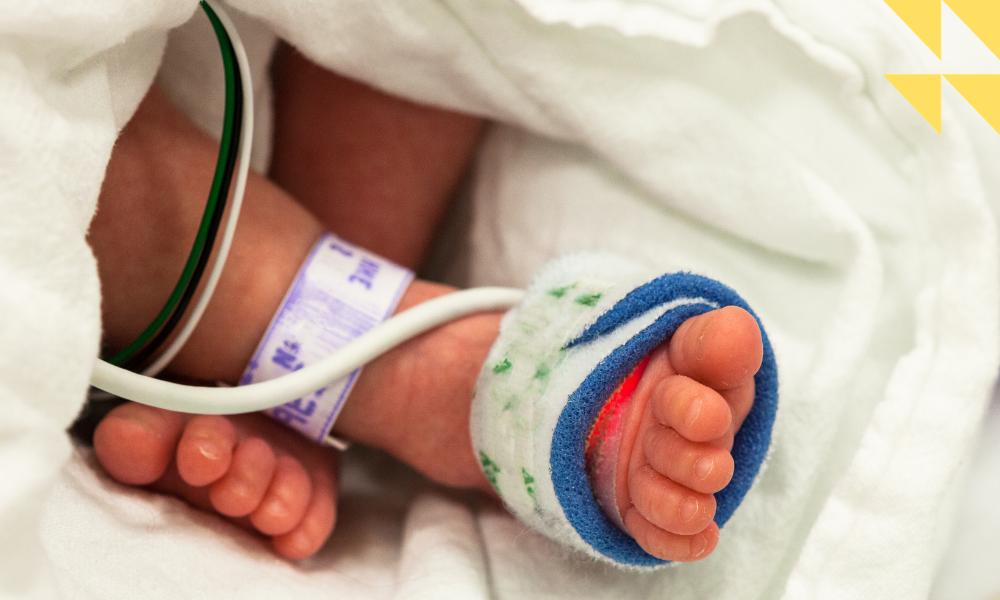
Prematurity and very low birth weight deserve particular attention as risk factors. Premature infants have fragile, immature blood vessels in the germinal matrix, a structure that is especially vulnerable to bleeding, which makes IVH considerably more common among babies born early. Respiratory distress and unstable blood pressure in the newborn period can further increase this risk.
Intracranial Hemorrhage Symptoms in a Newborn
Some newborn brain bleeds initially produce few visible symptoms, which is part of why NICU monitoring for at-risk infants matters so much. Possible clinical manifestations can include:
- Apnea (pauses in breathing)
- Changes in heart rate or blood pressure
- Decreased muscle tone
- Seizures
- Unusual lethargy
- Poor feeding
- Other neurological changes noted by nursing or medical staff
Because symptoms aren’t always obvious, especially in the smallest or most premature babies, NICU monitoring protocols and scheduled imaging often detect bleeding before it would become apparent to parents observing their baby at the bedside.
Diagnosing Intracranial Hemorrhage in Newborns
Diagnosis typically relies on cranial ultrasound, MRI scans, CT scans (when clinically appropriate), neurological examinations, EEG monitoring when seizures are a concern, and relevant laboratory testing. For premature infants specifically, cranial ultrasound is commonly used as a first-line tool to identify IVH, largely because it can be performed at the bedside in the NICU without moving a fragile infant.
Delayed Intracranial Hemorrhage Diagnosis
In some cases, bleeding develops sometime after birth rather than being present immediately, while in others, bleeding is present from birth but isn’t identified promptly. A malpractice investigation in these cases typically examines whether the infant’s presenting symptoms, abnormal vital signs, seizure activity, or other neurological changes should have prompted imaging sooner than it was actually ordered.
This is an important distinction to draw carefully: delayed onset of bleeding is a different issue, medically and legally, than a delayed recognition of bleeding that was already present and should have been identified.

Intracranial Hemorrhage Treatment
Not every intracranial hemorrhage requires the same level or type of medical intervention. Treatment depends on the hemorrhage type, severity, underlying cause, gestational age, and any related complications.
Most babies with smaller or stable hemorrhages may receive supportive care and close neurological monitoring rather than invasive treatment. Supportive treatment may include respiratory assistance, blood pressure management, and treatment for seizures or clotting problems. Doctors may also monitor head growth, neurological function, and imaging results for signs that the bleeding has worsened. Prompt medical attention becomes especially important if the baby suffered seizures, breathing problems, altered responsiveness, or other neurological symptoms.
A large hemorrhage can place pressure on the brain or interfere with normal cerebrospinal fluid circulation. In these cases, doctors may need to treat hydrocephalus or rising intracranial pressure. Some infants may require surgical intervention to drain excess fluid or relieve pressure on brain tissue. The medical team must also address the underlying cause of the hemorrhage. This can include treating infection, correcting clotting abnormalities, or stabilizing oxygen levels and circulation.
Management of Intracranial Hemorrhage in the NICU
Ongoing management in the Neonatal Intensive Care Unit (NICU) typically involves repeat imaging over time, continued neurological monitoring, surveillance for seizure activity, careful management of blood pressure and oxygenation, and evaluation for hydrocephalus or other evolving complications.
The NICU record, which may include nursing notes, imaging reports, and physician documentation, often becomes central to determining whether the medical team responded appropriately as an infant’s condition changed, or missed signs of worsening that should have prompted a different or faster response.
Can Intracranial Hemorrhage Cause Seizures?
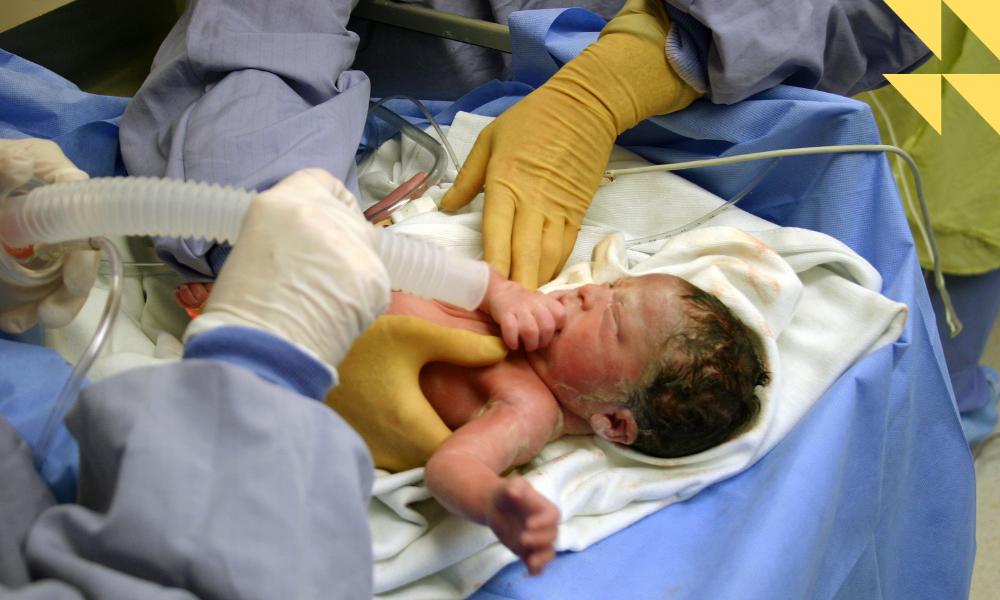
Yes. Intracranial hemorrhage can cause neonatal seizures, and research identifies intracranial hemorrhage among the significant recognized causes of acute symptomatic seizures in newborns.
Intracranial Hemorrhage, IVH, and Cerebral Palsy
Severe IVH, along with the broader pattern of preterm brain injury it can be part of, is associated with an increased risk of later neurodevelopmental impairment, including cerebral palsy. A meta-analysis examining outcomes in preterm infants found higher rates of neurological impairment and cerebral palsy among infants who experienced IVH, with the risk generally increasing alongside the severity of the hemorrhage grade.
It’s important not to overstate this connection on an individual level. Not every infant who experiences IVH will go on to develop cerebral palsy, and outcomes vary considerably based on the severity of the bleed, the presence of other brain injury, and the child’s overall medical course. Developmental pediatricians often play an important ongoing role in monitoring a child’s development through early childhood to identify any emerging concerns. If cerebral palsy does occur as a result of intracranial hemorrhage caused or exacerbated by medical negligence, a Houston cerebral palsy attorney at Funk Law Group can help investigate your claim and seek compensation for the harm caused.
Other Long-Term Effects of Neonatal Intracranial Hemorrhage
Beyond cerebral palsy, children who experienced a significant neonatal brain hemorrhage may face developmental delays, motor impairment, cognitive difficulties, vision or hearing problems, ongoing seizures, hydrocephalus requiring surgical management, or other neurological disabilities.
Many affected children benefit from physical therapy, occupational therapy, and other early intervention services as they grow, though the prognosis depends heavily on the specific location and severity of the original hemorrhage, along with whether it was accompanied by other forms of brain injury.

When Can Intracranial Hemorrhage Become a Birth Injury Malpractice Claim?
The legal question in these cases centers on preventability, not simply on whether bleeding occurred. Potential concerns that may support a malpractice claim include:
- Improper delivery technique
- Failure to recognize signs of fetal distress during labor
- Unreasonably delayed delivery
- Inadequate or improperly performed resuscitation
- Failure to appropriately monitor a known high-risk premature infant
- Delayed diagnosis of bleeding that was already present
- Failure to respond appropriately once neurological deterioration became apparent
Proving Medical Negligence After a Newborn Brain Hemorrhage
A birth injury claim involving intracranial hemorrhage generally requires evidence establishing the applicable medical standard of care, a departure from that standard, causation, and resulting damages. Causation deserves particular attention in these cases specifically because neonatal hemorrhage can have several legitimate medical causes entirely unrelated to negligence.
Building a strong claim typically requires the help of an experienced Houston medical malpractice attorney who, with the help of medical experts, can explain, based on the specific facts and imaging findings, why this particular hemorrhage more likely than not resulted from a departure from the standard of care rather than from an unavoidable complication of prematurity or an underlying medical condition.
Who May Be Responsible for a Birth-Related Intracranial Hemorrhage?
Responsibility depends entirely on where the actual breakdown in care occurred. Depending on the specific facts, a claim may involve the delivering obstetrician, a neonatal care provider, a labor and delivery or NICU nurse, the hospital, a radiologist who interpreted imaging, or another healthcare professional involved in the mother’s or baby’s care.

Why Choose Funk Law Group When a Doctor’s Negligence Causes or Contributes to Your Child’s Birth Injury?
When a neonatal intracranial hemorrhage may have resulted from medical negligence, families need an attorney who understands both serious birth injuries and medical malpractice litigation. Attorney Adam Funk has represented thousands of injured clients in cases involving medical malpractice and other catastrophic injuries. He also intentionally maintains a limited caseload so he can devote substantial time to investigations and give clients direct access to him throughout their cases.
Birth injury cases also carry personal meaning for Adam. His own daughter was born not breathing and required immediate NICU care before ultimately making a full recovery. That experience gave him firsthand insight into the fear families can face when a newborn suffers a serious medical emergency. When an injury involving a baby’s brain raises questions about labor, delivery, neonatal care, or delayed treatment, Funk Law Group can investigate the medical records and circumstances surrounding the injury to help determine whether preventable medical errors may support a claim for compensation.
Fighting for Maximum Compensation in a Texas Intracranial Hemorrhage Birth Injury Claim
With Funk Law Group on your side, families pursuing a claim involving a child’s intracranial hemorrhage may be able to recover compensation for:
- Past and future medical treatment
- Rehabilitation
- Physical and occupational therapy
- Assistive equipment
- Long-term and custodial care
- Future medical needs
- A parent’s reduced earning capacity if full-time caregiving becomes necessary
- Other damages permitted under Texas law
For children left with severe neurological impairment, future care planning often becomes a substantial part of evaluating the claim, since these children may require specialized medical care, therapy, and support well into adulthood — needs that a settlement or verdict should be structured to account for over the child’s full lifetime.

Schedule a Free Consultation With Houston Intracranial Hemorrhage Lawyer Adam Funk Today
If you believe delivery trauma, delayed recognition of a developing problem, inadequate NICU monitoring, or another medical error contributed to your child’s brain hemorrhage, it’s worth having your case reviewed by an experienced Houston birth injury lawyer like Adam Funk at Funk Law Group. Our firm offers free initial consultations and works on a contingency-fee basis, meaning you don’t pay anything unless we recover compensation on your behalf.
Don’t wait — call 346.501.FUNK or contact us online to set up your free consultation today.