
Cardiology Malpractice
Houston Cardiology Malpractice Lawyer

Experienced Cardiology Malpractice Lawyer Houston, Texas Injury Victims Can Trust for Dedicated Representation
Heart conditions often leave little room for error. When acute coronary syndrome, a dangerous arrhythmia, or another serious cardiac condition goes unrecognized or is recognized too late, the consequences can include permanent heart damage, stroke, cardiac arrest, disability, or even death.
Attorney Adam Funk and the legal team at Funk Law Group represent Houston-area patients and families who have suffered a serious injury because a cardiologist, hospital, emergency physician, or another healthcare provider failed to provide the level of care the situation required. If you or a loved one experienced a serious injury following negligent cardiac care in the Houston metro area, let us help you understand your legal rights. Call 346.501.FUNK or use our online contact form to schedule a free consultation today.
What Is Cardiology Malpractice?
Cardiology malpractice refers to negligent diagnosis, treatment, monitoring, or follow-up care involving heart and cardiovascular conditions. It can happen at any point in a patient’s care – in an emergency room, a cardiologist’s office, a hospital ward, or during a procedure.
Common examples include a missed heart attack, improper interpretation of diagnostic testing, medication errors, delayed referral to a specialist, failure to recognize a dangerous arrhythmia, procedural errors during a cardiac intervention, or inadequate postoperative monitoring. In each of these scenarios, the core legal question is the same: did the healthcare provider meet the accepted standard of care, and if not, did that failure cause the patient’s injury?
Common Cardiology Malpractice Claims
When a healthcare professional makes a medical mistake while diagnosing or treating a heart disease or condition, the consequences can be severe. As a seasoned malpractice lawyer in Houston, Adam Funk investigates a range of cases involving cardiac care. He and his team can review the circumstances, explain the legal process, and determine whether the facts may support a valid medical malpractice claim.
Failure to Diagnose a Heart Attack
Not every heart attack announces itself with dramatic, crushing chest pain. Heart attack symptoms can include shortness of breath, nausea, unusual fatigue, lightheadedness, or discomfort in the back, jaw, arms, or stomach – symptoms that are easy to dismiss or attribute to something else. The American Heart Association notes that some heart attacks begin with relatively mild or atypical symptoms, which is part of why they are sometimes missed in emergency and outpatient settings alike.
A medical malpractice claim may arise when health care providers fail to recognize these warning signs, fail to order appropriate testing, fail to repeat testing when a patient’s condition changes, or fail to act on results that should have prompted immediate intervention.
Delayed Heart Attack Diagnosis and Treatment
When blood flow to the heart muscle is reduced or blocked, timing matters. The longer treatment is delayed, the more heart muscle damage can occur (damage that is often permanent). Medical errors in this category may involve a delayed cardiology consultation, delayed cardiac catheterization, a failure to transfer a patient to a facility capable of providing higher-level cardiac care, or a failure to act promptly after diagnostic testing suggested a possible heart attack was underway.
Cardiology Malpractice Involving EKG Errors
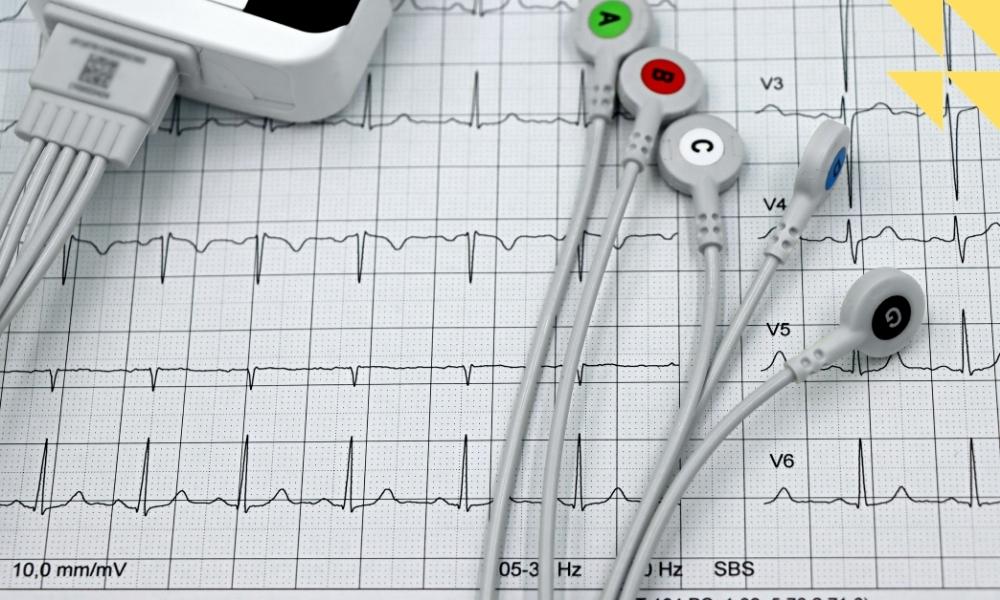
An electrocardiogram (EKG) is one of the most fundamental tools used to evaluate heart rhythm and identify conditions such as heart attack, arrhythmia, coronary artery disease, and heart failure. Because so much diagnostic weight rests on this single test, errors in reading or acting on it can have serious consequences.
Malpractice claims in this area may involve a misinterpreted EKG, a failure to compare a new study against the patient’s previous studies, a failure to recognize a significant abnormality, or a failure to act after abnormal findings were identified.
Failure to Order Appropriate Cardiac Testing
A patient’s symptoms and medical history may call for further evaluation beyond a basic exam. Depending on the presentation, appropriate testing might include an EKG, blood testing for cardiac markers such as troponin, echocardiography, coronary angiography, CT or MRI imaging, or stress testing. The appropriate workup depends on the individual patient’s symptoms, risk factors, and history.
When a healthcare provider fails to order testing that a reasonably careful provider would have ordered under similar circumstances, and that failure delays diagnosis, it may support a medical malpractice case.
Misdiagnosed or Delayed Coronary Artery Disease
Narrowed or blocked coronary arteries can contribute to chest pain, heart attack, and other serious cardiac problems. Malpractice claims involving coronary artery disease may involve overlooked symptoms, abnormal stress testing that wasn’t acted on, concerning imaging findings, or a delayed referral for catheterization or surgical evaluation.
Failure to Diagnose Atrial Fibrillation
Atrial fibrillation (AFib) is an abnormal heart rhythm that can require evaluation and ongoing management to address heart rate, rhythm control, blood clot risk, and stroke risk. EKGs and longer-term heart monitoring devices can help identify AFib, particularly when it comes and goes.
Claims in this category may involve failing to recognize an irregular rhythm, failing to investigate recurring symptoms like palpitations or fatigue, or failing to arrange appropriate follow-up once AFib is identified or suspected.
Cardiology Malpractice Involving Stroke
Inadequate cardiac care can, in some circumstances, contribute to stroke risk, particularly when arrhythmias or other cardiovascular conditions go untreated. An investigation into a stroke that followed inadequate cardiac care may examine whether providers recognized the patient’s risk factors, ordered appropriate testing, and prescribed or monitored treatment when clinically indicated.
Failure to Diagnose Dangerous Heart Arrhythmias
Beyond AFib, other rhythm disorders, including ventricular tachycardia and severe bradycardia, may require prompt treatment or further evaluation. Ambulatory heart monitors, EKGs, a patient’s reported symptoms, and hospital telemetry records can all become important evidence in a claim involving a missed or delayed arrhythmia diagnosis.
Cardiologist Malpractice Involving Medication Errors
Cardiac care often involves medications such as anticoagulants, blood pressure medications, antiarrhythmics, and drugs used to manage heart failure. Malpractice involving medication errors may include an incorrect dose, a dangerous drug interaction, a failure to monitor a patient on a high-risk medication, or a failure to adjust treatment after concerning lab results or symptoms.
Cardiac Surgery Malpractice
Surgical errors during cardiac procedures, including everything from anesthesia mistakes to damage to nearby organs or blood vessels to failures in postoperative monitoring, can cause serious harm. A poor outcome alone does not prove medical negligence, but when a preventable error caused or contributed to the injury, a Houston surgical error lawyer like Adam Funk can serve as a dedicated legal advocate for patients and families seeking answers.
Failure to Diagnose or Properly Treat Heart Failure
Heart failure often requires ongoing medication management, monitoring, testing, and follow-up care. Malpractice claims may involve a delayed recognition of worsening shortness of breath, swelling, abnormal imaging findings, declining heart function on testing, or other signs that a patient’s condition was deteriorating and required intervention.
Cardiology Malpractice Involving Cardiac Catheterization
Cardiac catheterization (used both diagnostically and as part of interventional treatment) carries inherent risk, but once again, not every complication reflects negligence. Potential malpractice in this area may involve technical errors during the procedure, vascular injury, uncontrolled bleeding, a failure to respond promptly to a complication, or inadequate monitoring after the procedure is complete.
Angioplasty and Stent Malpractice
Angioplasty and coronary stent placement are common interventions for blocked arteries. These types of medical malpractice claims tend to focus on issues such as improper stent placement, a failure to recognize vessel damage during or after the procedure, delayed treatment of a known complication, or inadequate medication management following the procedure.
Failure to Refer a Patient for Cardiac Surgery
When a cardiologist identifies serious coronary artery disease, valve disease, or another condition that may require surgery, a delayed referral for surgical evaluation can allow the underlying condition to worsen. These claims often turn on a specific causation question: would an earlier referral, evaluated under the accepted standard of care, likely have prevented the patient’s additional injury? If the answer is yes, injury victims and their families may be able to recover compensation from the responsible medical provider.
Pacemaker and Defibrillator Malpractice
Claims involving implantable cardiac devices may include a failure to recognize the need for a pacemaker or implantable cardioverter-defibrillator (ICD), improper device placement, a failure to monitor device function over time, or a delayed response to a device malfunction. These cases may involve cardiologists, electrophysiologists, hospitals, and device-related records and data as evidence.
Failure to Diagnose Aortic Aneurysm or Aortic Dissection
Aortic emergencies are true medical emergencies that can present with chest, back, or abdominal pain, and they require prompt evaluation and, often, emergency surgery. Malpractice in this category may involve delayed imaging, a mistaken diagnosis, a failure to recognize warning signs, or a delayed referral for emergency surgical treatment.
Hospital Cardiology Malpractice and Failure to Monitor
Hospital care depends on ongoing telemetry monitoring, vital sign checks, laboratory testing, nursing observation, and communication between nursing staff and physicians. Medical negligence in the hospital setting may involve a failure to recognize a dangerous rhythm on telemetry, a failure to report a concerning change to the treating physician, a delayed response to a patient’s deterioration, or a communication breakdown between hospital departments.
Failure to Follow Up on Abnormal Cardiac Test Results
Ordering the right test accomplishes little if the results are overlooked, misfiled, or never communicated to the patient or the treating provider. Cases in this category often involve a missed abnormal EKG, abnormal stress test results that were never acted on, concerning echocardiogram findings, elevated cardiac markers, or a broader failure to arrange the follow-up appointment or testing the results called for.
Cardiology Malpractice After Hospital Discharge
Patients discharged after chest pain, an arrhythmia episode, heart failure symptoms, or cardiac testing remain vulnerable if the discharge process itself was inadequate. Such claims may involve incomplete or confusing discharge instructions, a failure to arrange timely follow-up care, or a discharge decision made despite test results or symptoms that should have prompted further evaluation before the patient left the hospital.
Pediatric Cardiology Malpractice
Cardiac malpractice claims involving infants and children can involve congenital heart defects, arrhythmias, cardiomyopathy, and other cardiovascular conditions. Because Adam Funk also handles birth injury cases, pediatric cardiology claims frequently overlap with the firm’s broader practice when a heart problem is missed during pregnancy, shortly after birth, or during neonatal care. If this was the case for your child, speak with a Houston birth injury lawyer at Funk Law Group right away.
Failure to Diagnose a Congenital Heart Defect
Congenital heart defects may be missed at several points: in prenatal imaging, during newborn screening, or in the days and weeks after birth. Warning signs can include an abnormal heart murmur, cyanosis (a bluish tint to the skin), feeding difficulties, poor weight gain, or low oxygen levels. A delayed referral to pediatric cardiology may become an important part of a malpractice claim when earlier diagnosis could have changed the child’s treatment path or long-term outcome, including, in some cases, contributing to cerebral palsy or other permanent injury when oxygen deprivation is involved.
Wrongful Death Caused by Cardiology Malpractice
When cardiology malpractice proves fatal, whether from a heart attack, cardiac arrest, an untreated arrhythmia, delayed surgery, an aortic emergency, or another preventable cardiovascular event, surviving family members may have the right to seek compensation through a wrongful death claim. These claims generally require evidence that timely, appropriate care, consistent with the accepted standard, likely would have changed the outcome. As a seasoned wrongful death lawyer in Houston, TX, Adam Funk knows what it takes to obtain this evidence and prove liability on behalf of all responsible parties.

How Do You Prove Cardiology Malpractice?
A cardiology malpractice claim generally requires evidence establishing four things:
- A doctor-patient relationship existed;
- The applicable standard of care was not met;
- The failure to meet that standard caused additional or worsening harm; and
- That harm led to compensable damages.
Remember, it’s not enough to show that a provider made a mistake. The case typically requires showing that an earlier diagnosis or different treatment more likely than not would have prevented the additional heart damage, stroke, disability, or death that resulted. This is where reviewing medical records closely and consulting expert witnesses familiar with cardiac care becomes essential. These experts can speak to what a reasonably careful healthcare provider would have done under similar circumstances, and what likely would have happened if they had.
Who May Be Responsible for Cardiology Malpractice?
Responsibility for cardiology malpractice depends on where, specifically, the breakdown in medical care occurred. Depending on the facts, a claim may involve a cardiologist, an emergency physician, a hospitalist, a radiologist, a nurse, a cardiac surgeon, a hospital, a private medical practice, or another healthcare provider or healthcare institution involved in the patient’s care.
A thorough investigation examines each provider’s role in the events leading to the injury, rather than assuming everyone involved in a patient’s care shares equal responsibility. Identifying the right parties is critical to building an effective medical malpractice lawsuit.
Compensation in a Houston Cardiology Malpractice Case
Patients and families affected by cardiology malpractice may be able to recover compensation for a range of economic damages and non-economic damages permitted under Texas law. These damages are intended to provide financial support for the preventable harm caused by a medical provider’s negligence and may include:
- Past and future medical expenses
- Rehabilitation costs
- Lost wages
- Reduced future earning capacity
- Long-term or custodial care
- Pain and suffering
- Mental anguish
- Emotional distress connected to the patient’s injury
No legal team can guarantee future outcomes in any case, but a detailed damages analysis, often supported by expert testimony, helps ensure that a settlement or verdict reflects the true, long-term cost of the injury rather than only the immediate medical bills.

When Should You Contact a Houston Cardiology Malpractice Lawyer?
Certain situations tend to warrant a closer legal review, including but not limited to:
- A heart attack or cardiac event that occurred shortly after being told test results were normal;
- A serious cardiac condition discovered only after repeated complaints were dismissed or downplayed;
- A stroke that followed untreated or undertreated atrial fibrillation; or
- Complications following a cardiac procedure that weren't addressed promptly.
In many of these cases, the medical timeline (what symptoms were reported, what tests were ordered, what the results showed, and when each decision was made) becomes one of the most important parts of the investigation. The sooner an experienced medical malpractice attorney can begin reviewing medical records, the better positioned your case will be.
Why Clients Trust Houston Medical Malpractice Lawyer Adam Funk For Their Cardiology Negligence Claims
When you or a loved one has suffered harm from a cardiologist’s error, misdiagnosis, or surgical mistake, choosing the right attorney matters as much as choosing the right cardiologist did. Funk Law Group brings the kind of deep courtroom experience that cardiac malpractice cases demand: personal injury trial law focused specifically on holding medical professionals and the broader healthcare system accountable when they fail patients.
Attorney Adam Funk has built a reputation as a top medical malpractice lawyer in Houston by combining medical knowledge with aggressive trial advocacy, securing recognition as a Texas Super Lawyer and an Avvo Top Personal Injury Attorney, and earning respect among peers as a member of the Houston Trial Lawyers Association and the National Trial Lawyers.
That track record isn’t just a list of accolades – it reflects a firm that understands how complex medical malpractice cases involving cardiac care truly are, from proving a breach in the standard of care to untangling hospital records and expert cardiology testimony. Clients searching for representation after a heart-related medical error can trust Funk Law Group for a number of reasons: a consistent history of results, a willingness to take on powerful hospital systems, and a personal commitment to every client who walks through the door. For Houston-area families facing the aftermath of cardiac malpractice, that combination of credentials, courtroom experience, and genuine advocacy is what makes Funk Law Group a trusted choice.


Schedule a Free Case Evaluation With a Skilled Houston, TX Cardiology Malpractice Lawyer at Our Law Firm Today
If a missed diagnosis, delayed treatment, a cardiac testing error, a medication mistake, or a procedural error caused you or a loved one to suffer a serious or catastrophic injury, it’s important to explore your legal rights. Medical costs, lost income, and the emotional toll of a preventable, life-altering injury can add up quickly, and pursuing compensation starts with understanding what happened and why.
Adam Funk and his legal team are prepared to review your medical records, consult with qualified experts, and pursue the maximum compensation available under the law through settlement negotiations or, when necessary, at trial.
Call 346.501.FUNK or contact us online to schedule a free case evaluation with our experienced Houston, Texas attorneys today.