What Causes HIE During Childbirth?
Although not all birth injuries result from negligence, some birth injuries occur because healthcare providers fail to properly monitor, diagnose, or respond to complications during labor and delivery. When medical malpractice leads to oxygen deprivation before, during, or shortly after childbirth, a baby may develop hypoxic ischemic encephalopathy and suffer permanent neurological damage.
Signs and Symptoms of HIE in Newborns
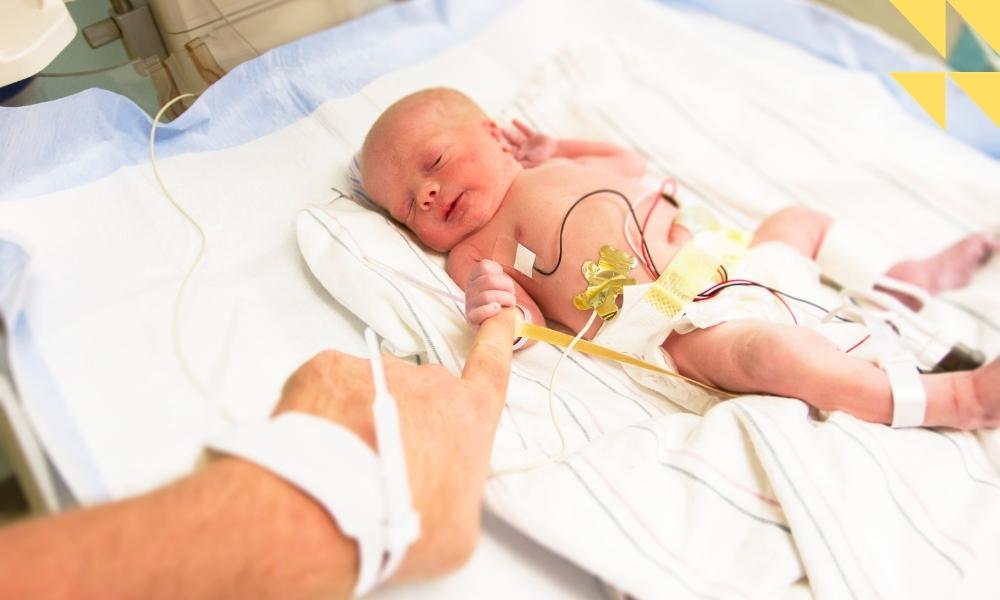
The signs of HIE in a newborn may be present immediately at birth or may develop in the hours that follow. Common indicators include:
- Difficulty breathing or absent respiratory effort at birth
- Low Apgar scores reflecting poor oxygenation and muscle tone
- Seizures, which may appear as subtle abnormal movements in newborns
- Poor muscle tone (hypotonia)
- Feeding difficulties and poor suck reflex
- Organ dysfunction involving the heart, kidneys, or liver
- Developmental concerns that become more apparent as the child grows
Any combination of these signs following a difficult labor or delivery should prompt immediate neurological evaluation.
Long-Term Effects of Hypoxic Ischemic Encephalopathy
The long-term effects of HIE depend significantly on the severity of the initial brain injury and how quickly and effectively treatment was initiated. For children with moderate to severe HIE, the consequences can be far-reaching and permanent.
Cerebral Palsy and Motor Impairments
HIE is one of the leading causes of cerebral palsy, a group of neurological disorders that affect movement, muscle control, coordination, and balance. When oxygen deprivation damages the brain during a child’s birth, it may permanently affect the child’s ability to walk, sit, speak, or perform everyday activities independently. Some children with HIE-related cerebral palsy require wheelchairs, braces, orthotics, feeding assistance, or other adaptive equipment throughout life. A Houston cerebral palsy birth injury attorney may help families pursue compensation when medical negligence contributed to these preventable injuries.
Developmental Delays and Cognitive Disabilities
Brain damage caused by HIE may interfere with normal cognitive and developmental progress. Children may experience intellectual disabilities, memory problems, learning delays, behavioral challenges, or difficulty processing information. In severe cases, children may require lifelong educational support, supervision, and assistance with daily living activities, significantly affecting the child’s long-term independence and quality of life.
Seizure Disorders and Epilepsy
Children diagnosed with HIE face an increased risk of seizure disorders and epilepsy, as the damaged brain tissue may disrupt normal neurological function. Seizures can range from mild episodes to severe, life-threatening events that require emergency medical intervention. Some children require lifelong medications, neurological monitoring, and specialized treatment plans to manage ongoing seizure activity and reduce additional complications.
Speech, Vision, and Hearing Problems
HIE may damage the parts of the brain responsible for communication, sensory processing, and motor coordination. As a result, some children experience speech and language delays, hearing loss, cortical visual impairment, or other sensory disorders that interfere with learning and development. Difficulties with facial movement, swallowing, coordination, or oral motor function may also affect communication and feeding abilities as the child grows older.
Lifelong Medical and Therapy Needs
Children with serious HIE injuries frequently require ongoing medical treatment and therapeutic support throughout childhood and adulthood. Care may involve neurologists, developmental pediatricians, physical therapists, occupational therapists, speech language pathologists, behavioral specialists, and other healthcare professionals. In severe cases, families may need to coordinate around-the-clock care, specialized education services, home accommodations, and long-term rehabilitation to address the lasting effects of the child’s birth injury.
How Do Doctors Diagnose HIE?
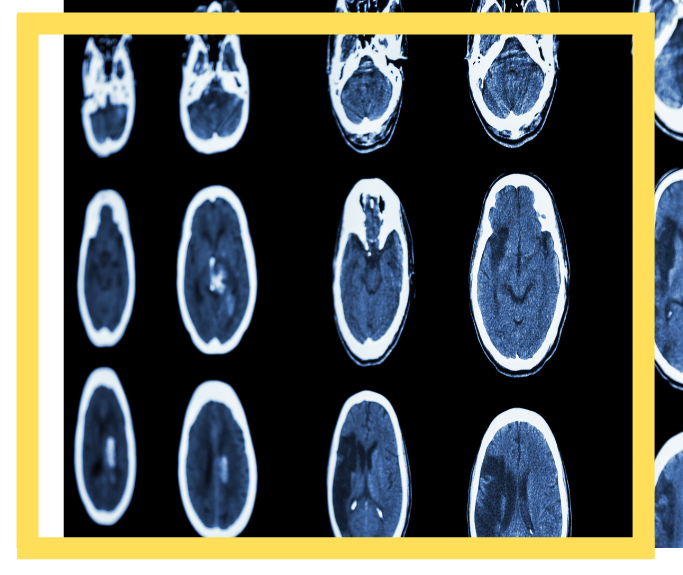
An HIE diagnosis typically involves multiple evaluations and diagnostic tools. Brain MRI is the gold standard imaging study for identifying the location and extent of hypoxic-ischemic injury, though it is most informative when performed within the first week after birth. Neurological evaluations assess reflexes, muscle tone, responsiveness, and other indicators of brain function.
Blood gas and oxygen saturation testing can help establish the degree of oxygen deprivation that occurred, while amplitude-integrated EEG is commonly used in the NICU to monitor brain activity and detect seizures. As the child develops, serial developmental assessments help track the long-term neurological impact of the injury.
Treatment Options for HIE Birth Injury Victims
Treatment for hypoxic ischemic encephalopathy typically begins immediately after birth and may continue throughout a child’s life, depending on the severity of the brain injury. Early medical intervention can play a critical role in reducing additional brain damage, managing symptoms, improving developmental outcomes, and helping children achieve the highest possible level of function and independence.
Therapeutic Hypothermia (Cooling Treatment)
The most important and time-sensitive treatment for moderate to severe HIE is therapeutic hypothermia, commonly referred to as cooling therapy. This treatment involves lowering the newborn’s core body temperature to slow the progression of brain cell death in the hours following the initial injury. To be effective, cooling therapy must be initiated within six hours of birth, making early diagnosis and decisive action absolutely critical. When medical providers fail to identify HIE early enough to initiate cooling within the treatment window, an opportunity to limit the extent of the brain injury may be permanently lost.
Rehabilitation and Long-Term Therapy
Beyond the acute phase of treatment, children with HIE typically require comprehensive rehabilitation services that continue for years or decades. Physical therapy helps develop motor skills and manage the muscle tone issues associated with cerebral palsy and related conditions. Meanwhile, occupational therapy can support the development of functional daily living skills and independence, and speech therapy can address communication delays, feeding difficulties, and language development. Many children also benefit from specialized educational support, including individualized education programs and therapeutic school environments designed to address their specific developmental needs.
Can HIE Be Prevented?
Not every case of HIE is preventable; some occur despite appropriate and attentive obstetric care. However, in most birth injuries involving HIE, there were identifiable warning signs that were missed, misinterpreted, or inadequately acted upon. Proper fetal monitoring, prompt recognition of obstetric emergencies, timely decisions about delivery method, and appropriate management of high-risk pregnancies are all practices that can and do prevent HIE. When those practices are not followed and a child suffers serious injury as a result, the medical providers responsible can be held legally accountable.
Who May Be Liable for a Hypoxic Ischemic Encephalopathy Birth Injury?
Multiple parties may bear legal responsibility for an HIE injury caused by medical negligence. Potentially liable parties include:
- The delivering obstetrician or attending physician
- Labor and delivery nurses who monitored the patient
- Emergency medical staff who responded to (or failed to respond to) developing complications
- The broader healthcare system whose staffing decisions, training practices, and institutional protocols contributed to the conditions that allowed the medical error to occur
Each of these parties is held to a specified standard of care, and breaching that standard opens the door for a medical malpractice lawsuit against any and all of them. An experienced Houston birth injury attorney at Funk Law Group can investigate your claim and identify who is responsible and to what degree.
Medical Mistakes That May Lead to Hypoxic Ischemic Encephalopathy (HIE)
Many cases of hypoxic ischemic encephalopathy are preventable when medical teams follow accepted safety standards and provide proper medical care during labor and delivery. When doctors, nurses, or hospitals fail to respond appropriately to fetal distress or other complications, it can lead to severe consequences that leave families facing lifelong medical challenges.
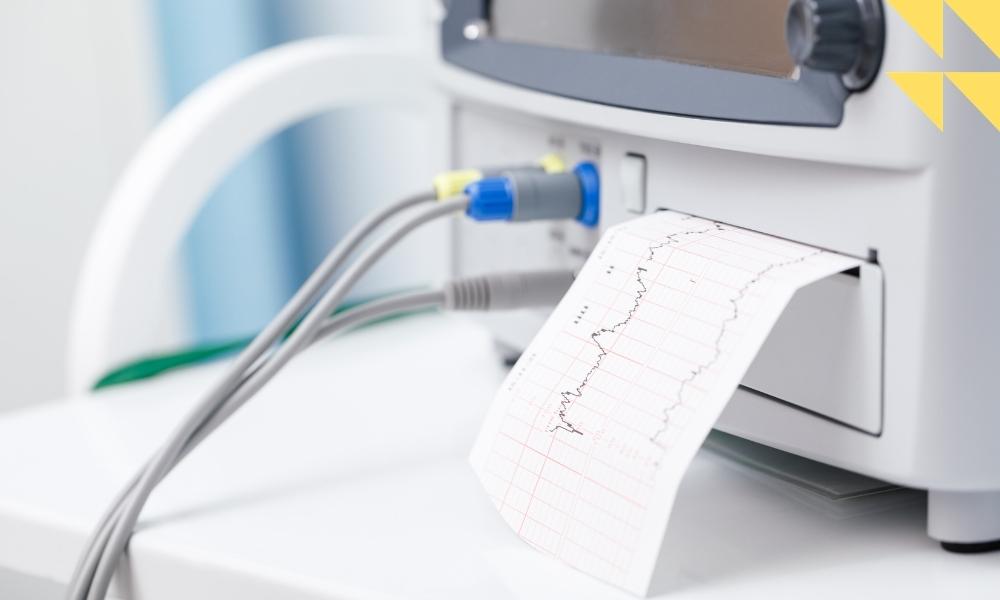
- FAILURE TO RECOGNIZE FETAL DISTRESS — Abnormal fetal heart rate patterns, including decelerations that indicate cord compression or placental insufficiency, are well-established warning signs. Failing to identify and act on these patterns in time is one of the most common forms of negligence in HIE cases.
- DELAYED DELIVERY DECISIONS — When monitoring data indicates that a baby is in distress, a timely decision to expedite delivery is often what prevents irreversible harm. Delays in making or executing that decision can extend the period of oxygen deprivation to a catastrophic degree.
- IMPROPER USE OF DELIVERY INSTRUMENTS — Forceps and vacuum devices, when used improperly, can cause or compound traumatic injury during delivery, including injuries that contribute to oxygen deprivation and HIE.
- FAILURE TO ORDER AN EMERGENCY C-SECTION — In situations where vaginal delivery poses unacceptable risk to the infant, a prompt cesarean section is the appropriate intervention. Providers who delay this decision or who fail to recognize that it is necessary may be responsible for the resulting brain injury.
- MEDICATION ERRORS DURING LABOR — Improper administration of labor-inducing drugs such as Pitocin (oxytocin) can cause excessive or prolonged uterine contractions that reduce blood flow to the baby, contributing to hypoxia and HIE.
- INADEQUATE MONITORING BEFORE AND DURING BIRTH — Failure to monitor a high-risk pregnancy appropriately, both prenatally and during labor, can allow dangerous conditions to develop undetected until it is too late to prevent injury.
What Compensation May Be Available in an HIE Birth Injury Lawsuit?
Families affected by HIE birth injuries are entitled to seek compensation for the extensive financial burdens associated with lifelong treatment, therapy, and disability-related care. Because many birth injuries involving oxygen deprivation result in permanent neurological damage, a comprehensive claim should account for both the child’s immediate medical needs and the long-term support the family deserves moving forward. As such, an HIE birth injury lawsuit may cover medical expenses related to hospitalization, NICU treatment, neurological evaluations, specialist appointments, surgeries, medications, rehabilitation, and ongoing medical care that may continue throughout the child’s life.
Children with severe HIE injuries frequently require physical therapy, occupational therapy, speech therapy, specialized educational programs, adaptive equipment, and home or vehicle modifications to improve safety and daily functioning. In more serious cases, lifelong assisted living services or in-home support may become necessary. Families may also pursue damages for emotional distress, pain and suffering, reduced quality of life, and the profound emotional impact the injury has on both the child and the parents. When HIE causes permanent disabilities that limit future independence or employment opportunities, compensation may also address the child’s loss of future earning capacity and the lasting economic impact of the injury.
Successful HIE Birth Injury Recovery From Funk Law Group
Adam Funk of Funk Law Group has represented families in HIE birth injury claims involving allegations of preventable medical negligence during pregnancy, labor, and delivery. The case results below highlight examples of recoveries obtained on behalf of families affected by HIE and reflect the firm’s commitment to pursuing accountability for avoidable birth injuries. Every case is unique, and prior results do not guarantee a similar outcome.
How an Experienced Hypoxic Ischemic Encephalopathy Lawyer Can Help Families
HIE medical malpractice cases are among the most medically complex and financially consequential claims a family can pursue. Building a successful case requires far more than demonstrating that a child suffered a serious brain injury. It requires a meticulous review of medical records spanning the entire course of labor, delivery, and neonatal care, combined with expert analysis that connects the injuries sustained directly to the specific failures of the providers responsible. An experienced legal team knows how to obtain and preserve the complete record of care, identify the precise moments where the standard of care was violated, and retain the neonatal and obstetrical experts needed to translate complex medical facts into a compelling, evidence-based case. Without that level of preparation and knowledge, families risk accepting far less financial compensation than their child deserves (or having a legitimate claim denied altogether).
Medical malpractice cases involving hypoxic ischemic encephalopathy frequently pit families against well-resourced hospital systems and insurance companies whose goal is to minimize what they pay. Having an attorney who is prepared to match that opposition at every stage is one of the most important decisions a family can make. If your child’s injury could have been prevented, your family deserves accountability, and your child deserves every resource their future may require.
Why Trust Adam Funk as Your Houston HIE Birth Injury Lawyer?
Adam Funk is an experienced medical malpractice attorney in Houston, TX who handles HIE birth injury cases with the thoroughness and dedication they require. From the first review of your baby’s birth injury records through settlement negotiations or courtroom litigation, Adam works to pursue maximum compensation that reflects the true lifetime impact of your child’s injury — not just the immediate medical costs, but the decades of therapy, specialized care, educational support, and lost earning capacity that a serious HIE diagnosis can involve. He negotiates assertively with hospitals and their insurers and prepares every case for trial when a fair resolution cannot be reached through settlement.
Adam understands that families navigating an HIE diagnosis are dealing with far more than a legal matter, which is why he brings compassionate, personally engaged representation to every family he works with. He has a proven track record litigating catastrophic birth injury claims and knows how to handle the medical complexity, institutional resistance, and high-stakes negotiation these cases demand. His commitment is not just to winning cases: it is to protecting the long-term future of injured children and the families who love them.