
Periventricular Leukomalacia
Periventricular Leukomalacia Injury Lawyer in Houston, TX

Experienced Houston Periventricular Leukomalacia (PVL) Lawyer Texas Families Can Count on After a Preventable Birth Injury
A diagnosis of periventricular leukomalacia can be devastating for any family. When your child has suffered a serious brain injury, one that may cause lifelong physical disabilities, cognitive impairments, and the need for ongoing specialized care, you deserve answers. If that injury resulted from the negligence of medical professionals, you may have the right to seek compensation for your child’s injuries and the substantial costs ahead.
At Funk Law Group, experienced Houston birth injury attorney Adam Funk dedicates his practice to helping Texas families pursue justice after preventable birth injuries. As a Periventricular Leukomalacia (PVL) injury lawyer with deep experience in complex medical malpractice cases, Adam Funk understands the medical and legal intricacies of these claims and what it takes to hold negligent health care providers accountable.
If your child was diagnosed with PVL and you believe substandard care played a role, contact Funk Law Group today for a free consultation and case evaluation. We handle birth injury cases on a contingency fee basis, meaning you pay no legal fees unless we recover compensation for your family. Call 346.501.FUNK or reach out online to get started.
Periventricular Leukomalacia
Playlist

1:57

2:24

2:38

1:50

2:45

3:05

1:57









What is Periventricular Leukomalacia (PVL)?
Periventricular leukomalacia is a form of brain damage that affects infants, particularly premature babies. The condition involves injury to the white matter of the brain — the tissue surrounding the fluid-filled ventricles located near the center of the baby’s brain. The term itself describes this precisely: “periventricular” means around the ventricles, “leuko” refers to white matter, and “malacia” means softening.
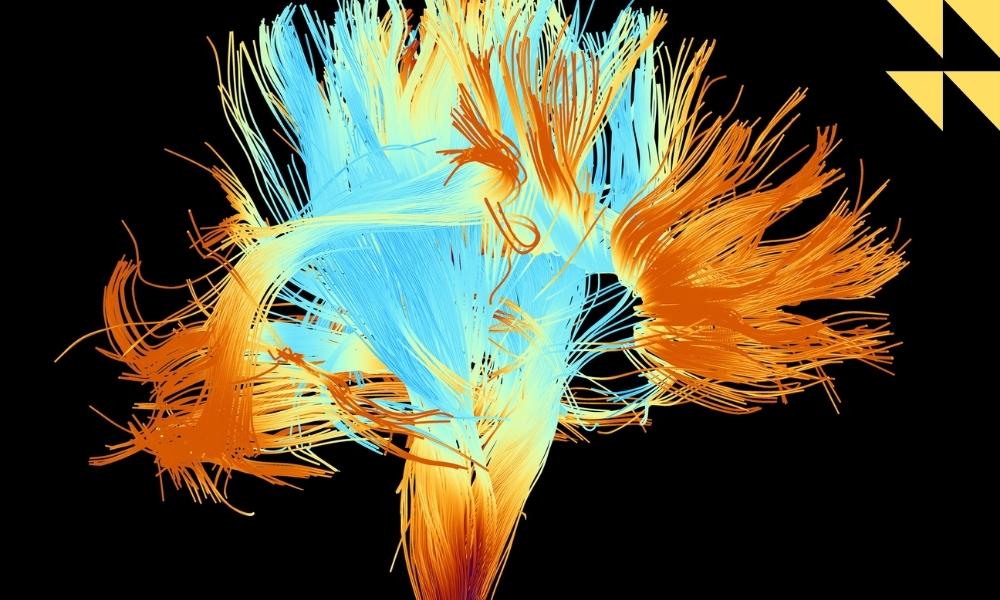
White matter plays a critical role in the developing nervous system. It contains the nerve fibers responsible for transmitting signals between the different regions of brain tissue and the spinal cord, allowing the body to control muscle movement, process sensory information, and support cognitive development. When white matter is damaged, these communication pathways are disrupted, often with permanent consequences for the child.
Is Periventricular Leukomalacia Cerebral Palsy?
PVL is one of the leading causes of epilepsy and cerebral palsy in premature infants. While PVL and cerebral palsy are not the same diagnosis, the white matter damage caused by PVL frequently results in the motor control issues and neurological impairments that define cerebral palsy. When a child develops motor function problems, spasticity, or difficulty with coordination due to PVL, a cerebral palsy diagnosis often follows.
Depending on the extent of the brain damage, children with PVL-related cerebral palsy may face lifelong mobility challenges and require ongoing physical therapy, occupational therapy, specialized equipment, and other forms of support. In severe cases, children may be unable to walk independently or perform basic daily activities without assistance, requiring comprehensive life care planners to manage their long-term needs.
If your child developed cerebral palsy from periventricular leukomalacia due to medical negligence, Houston cerebral palsy attorney Adam Funk can thoroughly investigate your claim and uncover all potential avenues for compensation.
How Periventricular Leukomalacia Develops
Understanding how periventricular leukomalacia (PVL) develops can help families recognize the factors that may contribute to this serious brain injury. While every case is different, PVL generally occurs when damage affects the brain’s developing white matter during pregnancy, labor and delivery, or shortly after birth.
Brain White Matter Damage
More specifically, PVL develops when the tissue surrounding the brain’s ventricles sustains injury during a critical period of fetal or neonatal development. This periventricular white matter is particularly active during the late second and early third trimesters of pregnancy, when premature delivery most commonly occurs. Damage to this area destroys nerve fibers responsible for communication between brain regions, disrupting signals that govern movement, sensation, and learning.
Oxygen and Blood Flow Deprivation
The most common mechanism behind PVL is inadequate blood flow or oxygen delivery to the child’s brain. Especially premature infants lack the cerebrovascular autoregulation that full-term babies develop, meaning that drops in blood pressure or oxygen saturation directly translate into reduced perfusion of the periventricular white matter. Even brief episodes of hypoxia (aka oxygen deprivation) can trigger a cascade of cell death in this sensitive region of the baby’s brain.
Inflammation and Infection-Related Brain Injury
Infection and inflammation are significant contributors to PVL risk. Maternal infections that spread to the uterus or fetus infections that trigger inflammatory responses can damage the developing white matter. Fetal membranes that become infected, a condition known as chorioamnionitis, release inflammatory cytokines that are toxic to immature oligodendrocytes, the cells responsible for forming protective myelin around nerve fibers in the child’s brain.
What Causes Periventricular Leukomalacia?
Several medical conditions and events can cause or contribute to PVL, many of which involve the failure of medical providers to recognize and respond to warning signs during pregnancy, labor, and delivery.
Premature Birth
Born prematurely, babies lack fully developed brain structures and circulatory systems. Infants born before 32 weeks gestation face the highest risk of PVL because the periventricular white matter is at its most vulnerable stage of development during this period. Premature delivery, whether spontaneous or resulting from complications that required early intervention, significantly elevates the risk of brain injury.
Oxygen Deprivation During Labor and Delivery
Birth asphyxia, which refers to insufficient oxygen to the baby’s brain during labor and delivery, is a leading cause of PVL and other birth injuries. Fetal distress, umbilical cord complications such as prolapse or compression, and prolonged labor can all cut off oxygen to the child’s brain. When medical professionals fail to recognize signs of fetal distress or delay emergency intervention, the resulting oxygen deprivation can cause permanent brain damage.
Maternal and Fetal Infections
Chorioamnionitis, an infection of the fetal membranes and amniotic fluid, is strongly associated with PVL, particularly in premature infants. Maternal sepsis and other pregnancy-related infections can trigger systemic inflammatory responses that harm the developing brain. When health care providers fail to diagnose and treat these infections in a timely manner, the risk of PVL and other birth injuries increases substantially.
Complications During Pregnancy and Delivery
Placental abruption, placenta previa, and other placental problems can restrict blood flow to the fetus. Maternal health conditions, including preeclampsia, hypertension, and diabetes, also create risk factors for restricted fetal circulation. Delayed emergency intervention in response to these complications can result in significant brain injury to the baby.
Periventricular Leukomalacia Stages
PVL progresses through three identifiable stages that can be observed and documented through imaging:
- Necrosis (Early Stage): During the first hours to days after injury, brain cells in the periventricular region begin to die. Coagulation necrosis (the death of cell tissue due to loss of blood supply) occurs, and cystic lesions may begin to form within the white matter.
- Resorption (Subacute Stage): Over the following weeks, the body reabsorbs the necrotic tissue. Microglia and other immune cells infiltrate the area, creating an inflammatory environment that may worsen the damage to surrounding tissue.
- Scarring and Atrophy (Chronic Stage): In the weeks and months that follow, the damaged areas are replaced by gliotic scar tissue or cystic cavities. The brain may show signs of atrophy, or loss of overall volume, as the white matter deficit becomes permanent. This is the stage at which PVL symptoms and long-term neurological impacts become most apparent.
How Doctors Grade PVL
PVL is typically graded on a scale from I to IV based on the extent and severity of white matter injury observed on imaging. Grade I involves localized periventricular echogenicity without cysts. Grade II shows small localized cysts in the frontal white matter. Grade III involves extensive cystic changes throughout the white matter. Grade IV is the most severe and includes extensive cystic changes extending into the subcortical regions, often associated with major clinical seizures and significant developmental outcomes.
Which Babies Are Most at Risk for PVL?
While PVL can affect any newborn, certain groups face significantly elevated risk. This includes:
- Babies born before 32 weeks gestation
- Low birth weight infants, particularly those under 1,500 grams
- Newborns requiring NICU care due to respiratory distress, infection, or other complications
- Infants who experienced oxygen deprivation before, during, or shortly after birth
- Babies exposed to maternal infections such as chorioamnionitis or sepsis during pregnancy

Signs and Symptoms of PVL
The symptoms of periventricular leukomalacia can vary depending on the location and severity of the brain injury. Some children experience mild developmental challenges, while others develop significant physical, cognitive, or neurological impairments that become more noticeable as they grow.
Periventricular Leukomalacia Symptoms in Infancy
PVL symptoms in newborns and infants can be subtle and may not become apparent until development is more advanced. Early signs include poor muscle tone (hypotonia), difficulty feeding or sucking, abnormal reflexes, and irritability. Parents and neonatal providers should monitor infants at risk closely for these early indicators.
Periventricular Leukomalacia Symptoms During Childhood
As a child develops, the impact of white matter damage often becomes more apparent. Motor skill impairments, learning disabilities, coordination difficulties, and behavioral challenges are common PVL symptoms during childhood. Children may miss developmental milestones for walking, talking, and fine motor tasks. Intellectual disabilities, vision problems, and attention disorders are also frequently associated with PVL.
Severe Neurological Symptoms
In more severe PVL cases, children may experience clinical seizures, significant developmental delays, and a formal cerebral palsy diagnosis. Some children exhibit spastic diplegia, meaning stiffness and weakness in both legs, as the white matter tracts controlling lower limb movement are preferentially affected. Motor control issues can range from mild gait abnormalities to the complete inability to walk independently.
Periventricular Leukomalacia Life Expectancy
Many children diagnosed with PVL go on to live into adulthood. However, periventricular leukomalacia in adults is associated with ongoing neurological, cognitive, and physical challenges that require continued medical management. Life expectancy depends significantly on the severity of brain damage, associated conditions such as cerebral palsy and epilepsy, the quality of ongoing care, and whether complications are properly managed throughout life. Children with milder forms of PVL may have near-normal life expectancy, while those with severe PVL and complex medical needs may face a shortened lifespan.
How To Diagnose Periventricular Leukomalacia
Early and accurate PVL diagnosis is critical to initiating appropriate treatment and establishing documentation for any future birth injury claims. Medical providers use several tools to identify and assess PVL, including ultrasounds, MRIs, and neurological assessments.
Periventricular Leukomalacia Ultrasound
A cranial ultrasound is typically the first imaging tool used to screen for PVL in at-risk newborns. It is non-invasive, portable, and can be performed at the bedside in the NICU. Cranial ultrasound can detect white matter echogenicity and cyst formation associated with PVL, and serial ultrasounds are often performed over time to monitor the child’s condition as it evolves.
Periventricular Leukomalacia MRI
Magnetic resonance imaging (MRI) provides a more detailed and sensitive assessment of PVL than ultrasound. MRI can identify subtle white matter abnormalities that may not be visible on a cranial ultrasound, making it an essential tool for confirming a PVL diagnosis and grading the extent of brain damage. A pregnancy ultrasound may occasionally identify early signs of risk, but postnatal MRI remains the gold standard for definitive diagnosis.
Neurological Assessments
In addition to imaging, neurological examinations assess muscle tone, reflexes, and developmental milestones to help establish the clinical impact of brain injury. These assessments are important both for guiding treatment and for documenting the child’s condition in the context of a potential birth injury lawsuit.

Is Periventricular Leukomalacia Curable?
Currently, there is no cure for periventricular leukomalacia. The white matter damage that has occurred cannot be reversed. However, early intervention can significantly improve outcomes. Physical therapy, occupational therapy, speech-language therapy, and other supportive services can help children maximize their functional abilities, compensate for motor function deficits, and achieve the best possible quality of life. Families should work closely with an experienced birth injury attorney to develop a comprehensive care plan tailored to the child’s condition.
Long-Term Effects of Periventricular Leukomalacia
The long-term effects of PVL can range from mild coordination problems to severe spasticity and paralysis. Because the affected white matter tracts run near pathways that control muscle movement in the legs, spastic diplegia — affecting movement in both lower extremities — is among the most common physical symptoms. Some children also develop motor control issues affecting the arms, trunk, and oral musculature.
The periventricular white matter also supports cognitive processing and learning. Damage to this tissue can result in intellectual disabilities, learning disorders, attention deficits, and behavioral challenges. Many children with PVL require specialized education services and therapeutic support throughout their school years and beyond.
Children with moderate to severe PVL often require decades of specialized care, including physical therapy, occupational therapy, assistive and specialized equipment, medications for seizure management, and regular neurological monitoring. Future medical expenses for these children can reach into the millions of dollars over a lifetime, underscoring the critical importance of pursuing full compensation through a birth injury lawsuit.
The Importance of Prompt Periventricular Leukomalacia Treatment
Although PVL cannot be reversed, early and consistent treatment can make a meaningful difference in a child’s developmental trajectory. Research supports the value of early intervention programs in improving motor function, communication, and cognitive skills in children affected by PVL.
Families who receive a PVL diagnosis should immediately seek specialized care from a team of neonatologists, pediatric neurologists, and rehabilitation specialists. Delays in accessing appropriate treatment can allow secondary complications to worsen, making the importance of prompt diagnosis and referral a standard of care that all health care providers must meet.

When Does Periventricular Leukomalacia Become Medical Malpractice?
PVL does not always result from negligence. However, in many birth injury cases, the injury is at least partially attributable to the failure of medical professionals to meet accepted standards of care. Examples of negligence that may give rise to a periventricular leukomalacia lawsuit include:
- Failure to monitor fetal distress during labor and delivery, allowing oxygen deprivation to continue unchecked
- Delayed emergency cesarean section when fetal monitoring indicated the need for immediate intervention
- Failure to diagnose or treat maternal infections such as chorioamnionitis or sepsis that pose known risks to the developing fetal brain
- Improper management of premature labor, including failure to administer corticosteroids or other interventions known to reduce the risk of brain injury in premature infants
- Negligent neonatal care in the NICU, including failure to maintain adequate oxygen levels, blood pressure, or blood glucose
- Failure to properly monitor oxygen levels after birth, allowing hypoxia to persist and cause additional brain damage
- Failure to perform timely cranial ultrasound or MRI imaging in high-risk infants, delaying PVL diagnosis and treatment
In many medical malpractice cases, the key question is whether a reasonably competent provider, acting under the same circumstances, would have recognized the risk and intervened differently. If the answer is yes, and a child suffered a preventable brain injury as a result, the family may have grounds for a birth injury claim. Houston medical malpractice lawyer Adam Funk can help affected families determine whether medical negligence contributed to their child’s injury and, if so, help them pursue maximum compensation for the harm caused.
Who Can Be Held Liable in a Periventricular Leukomalacia Lawsuit?
Multiple parties may share liability for PVL malpractice. Depending on the circumstances of your child’s case, potentially responsible parties may include:
- Obstetricians who managed prenatal care, labor, and delivery
- Labor and delivery nurses who were responsible for fetal monitoring
- Hospitals and medical facilities whose policies, procedures, or understaffing contributed to substandard care
- Neonatologists and NICU staff who managed the infant after birth
- Maternal-fetal medicine specialists involved in high-risk pregnancy management
- Other healthcare providers who participated in the mother’s or baby’s care during the relevant period
A thorough investigation by an experienced periventricular leukomalacia attorney can identify all responsible parties and build the strongest possible case on your family’s behalf.

How Houston Periventricular Leukomalacia Birth Injury Lawyer Adam Funk Helps Families Harmed By Negligence
Proving that medical negligence caused a child’s PVL requires a meticulous review of medical records, a thorough understanding of obstetrical and neonatal standards of care, and access to authoritative expert witnesses. At Funk Law Group, Adam Funk handles every aspect of this complex process on behalf of the families he represents.
For starters, he carefully reviews prenatal records to determine whether healthcare providers failed to identify or address risk factors such as maternal infections, placental problems, or signs of premature labor. He also examines labor and delivery records to evaluate fetal monitoring data and identify missed warning signs of fetal distress or delayed medical intervention. In addition, he analyzes NICU records to determine whether providers properly managed oxygen levels, responded appropriately to brain bleed events, and ordered timely imaging and treatment.
Throughout the process, Adam Funk works closely with respected neonatal, neurological, and obstetrical experts to establish the applicable standard of care, identify departures from accepted medical practices, and demonstrate how those failures contributed to the child’s injuries.
Fighting for Maximum Compensation for PVL Birth Injury Victims
When a child suffers a preventable brain injury, the financial consequences for the family are enormous. A successful birth injury lawsuit can allow families to seek damages for a broad range of losses, including:
- Past and future medical bills for surgeries, hospitalizations, therapy, and medications
- Future medical expenses for lifelong care, including physical therapy, occupational therapy, and specialized equipment
- The cost of life care planners and care coordination services
- Lost earning capacity for a child whose injuries will limit their ability to work in adulthood
- Non-economic harm, including pain and suffering, loss of enjoyment of life, and emotional distress experienced by the child and the family
- The costs of home modifications and specialized education services
In many birth injury cases involving catastrophic harm, the lifetime value of a family’s losses can be substantial. Attorney Adam Funk can help accurately project the full scope of your child’s injuries and present a compelling, well-documented case for maximum recovery.

Why Choose Funk Law Group as Your Periventricular Leukomalacia Injury Attorney?
Not every legal team has the resources, experience, or commitment to take on complex PVL birth injury cases against major hospitals and medical systems. Funk Law Group does. When you choose Adam Funk as your periventricular leukomalacia attorney, you benefit from:
- Experience handling complex birth injury litigation, including birth injury cases involving premature infants, PVL, cerebral palsy, and other birth injuries caused by medical negligence
- Thorough investigation of hospital and provider negligence, leaving no stone unturned in building your family’s case
- Access to leading medical experts in neonatology, pediatric neurology, maternal-fetal medicine, and other relevant specialties who can provide powerful expert testimony
- Personalized representation for families, with direct access to Adam Funk throughout your case
- Commitment to pursuing maximum compensation for every client, with the resources and tenacity to take cases to trial when necessary
Funk Law Group handles birth injury claims on a contingency fee basis. That means you pay no legal fees unless we win your case, making it possible for every family to access skilled legal representation regardless of their current financial situation.

Contact a Periventricular Leukomalacia Injury Lawyer in Houston, TX Today
If your child was diagnosed with periventricular leukomalacia and you have questions about whether medical negligence played a role, do not wait to seek answers. Texas medical malpractice cases are subject to strict statutes of limitations, and evidence can become harder to obtain as time passes.
At Funk Law Group, we offer a free consultation and case review to families throughout Houston and across Texas. There is no obligation, and you will speak directly with Adam Funk about the facts of your child’s case and whether you may have the right to seek compensation.
Contact our law firm by phone at 346.501.FUNK or complete our online intake form to discuss your legal options with an experienced periventricular leukomalacia lawyer today.